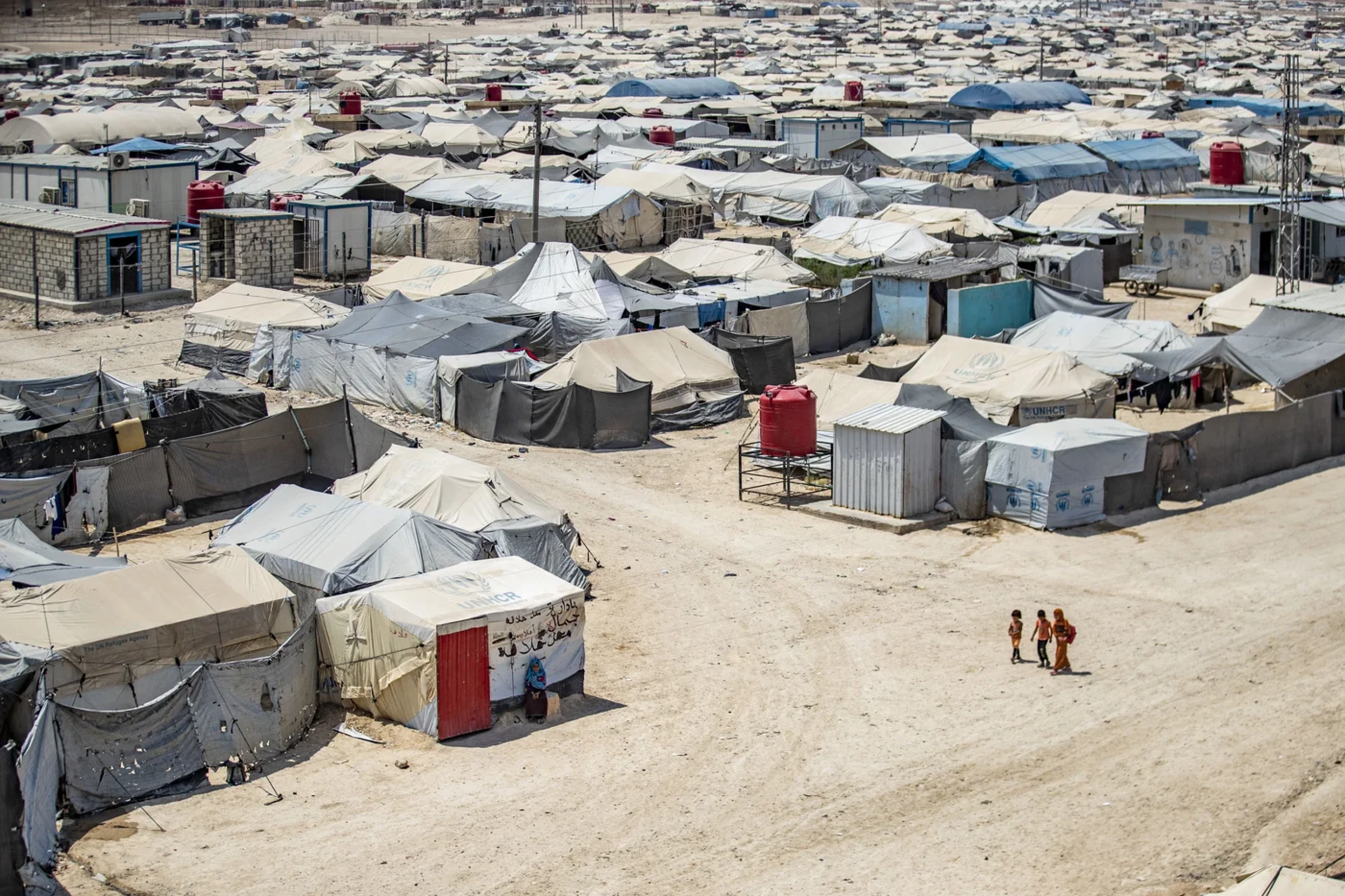
ERBIL, Kurdistan Region of Iraq – Less than 4,000 Iraqi nationals remain at the notorious al-Hol camp in northeast Syria (Rojava), which houses Islamic State (ISIS) affiliated people, a ministry said Tuesday, with Baghdad speeding up efforts to close the camp.
Iraq aims to complete the repatriation of its nationals from al-Hol by the end of 2025, with Baghdad leading the drive to close the camp as soon as possible.
“The total number of Iraqis who were repatriated has exceeded 20,000 people, and the number of Iraqis remaining inside the camp is less than 4,000 people, a small number compared to previous figures,” Karim al-Nouri, undersecretary to the Iraqi migration and displaced ministry, told state media.
He warned that the camp remains a “dangerous hotbed for the exploitation of ISIS terrorist gangs and the development of extremist ideology,” calling the squalid facility a “ticking time bomb that threatened the security of the region and Iraq.”
Iraqis repatriated from al-Hol are immediately sent for rehabilitation at the al-Jada camp in the northern Nineveh province.
Despite local opposition from tribes and a general unwillingness to take back ISIS-affiliated people, Nouri stressed that “no security breaches have been recorded in areas where displaced people have returned in Anbar, Salahaddin, and Mosul.”
Baghdad has also joined Kurdish authorities in Rojava by calling on the international community to repatriate its nationals from the camp, an initiative Nouri said has “encouraged” European countries previously unwilling to take back their nationals.
Located in Rojava’s Hasaka province, al-Hol houses tens of thousands of people with links to ISIS. The camp has been branded as a major security concern, with both regional and international communities repeatedly expressing concern and labeling it a “ticking time bomb.”
In late September, Iraq held a conference on the sidelines of the UN General Assembly on the repatriation of persons from al-Hol, with top Iraqi and UN officials urging the international community to repatriate their nationals.
Kurdish-led security forces in Rojava also routinely carry out operations against ISIS inside the camp and thwart escape attempts.
 Facebook
 LinkedIn
 Telegram
 X
X