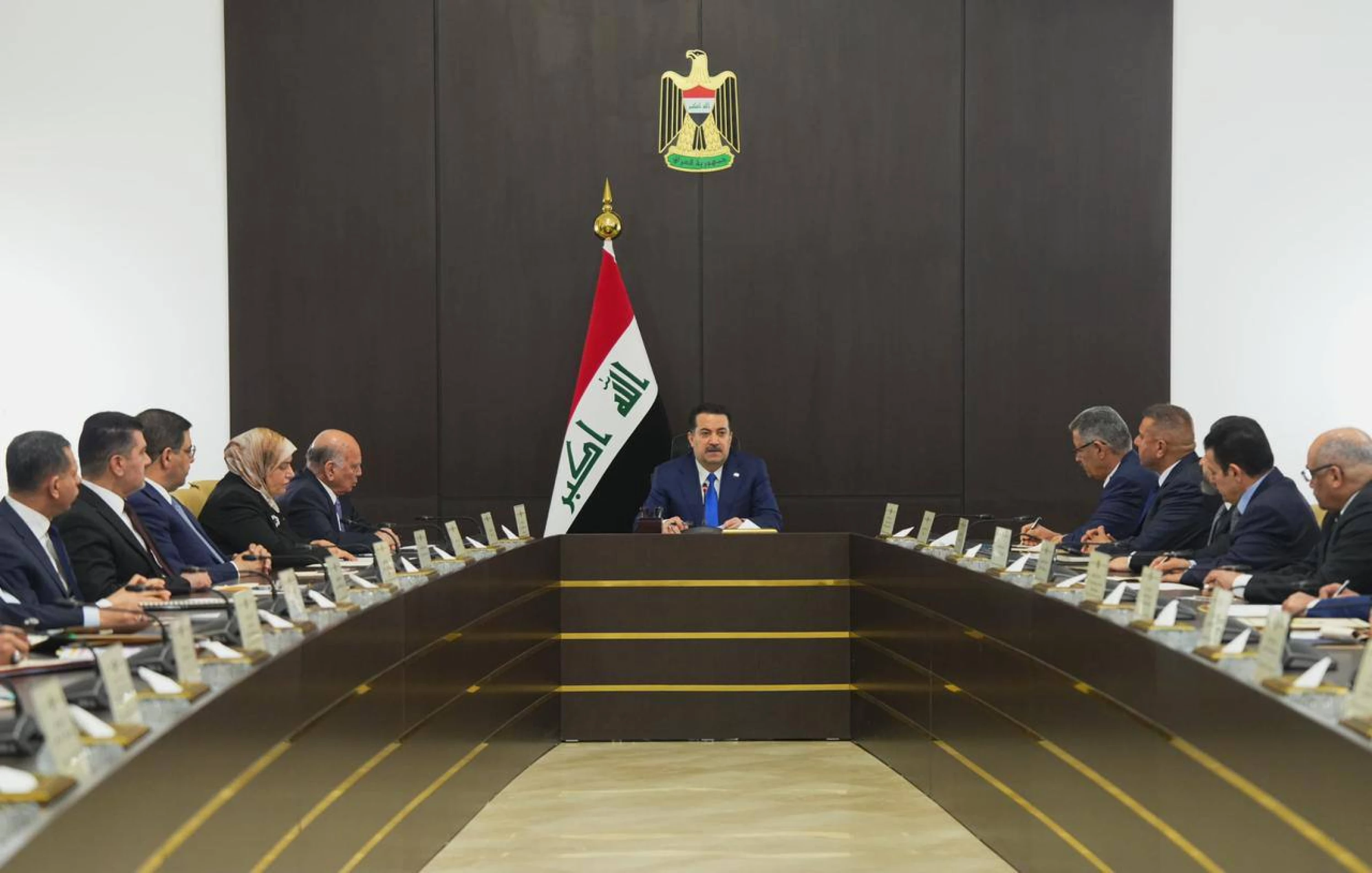
ERBIL, Kurdistan Region of Iraq – Iraqi Prime Minister Mohammed Shia' al-Sudani on Monday tasked the country's security forces with confronting actions that could drag Iraq into a regional conflict, as Iran continues to exchange fire with the US and Israel.
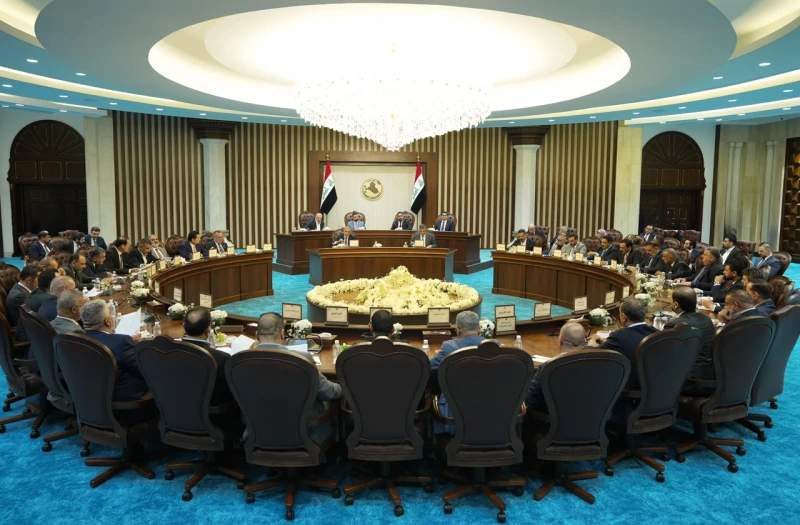
During an extraordinary meeting of Iraq's National Security Council on Monday, the premier reiterated "his orders to the security forces to confront and counter any action that could destabilize security and stability in the country, and to prevent any party or entity from carrying out operations that would drag Iraq into existing conflicts," read a statement from his office.
A US-Israeli military campaign on Iran that started on Saturday killed Iranian Supreme Leader Ayatollah Ali Khamenei. The ongoing conflict has bled out into a regional crisis, as Iran and its proxies have retaliated by targeting US bases and interests across several Middle Eastern countries, including Iraq and the Kurdistan Region.
In addition to Tehran, several pro-Iran Iraqi factions have also taken a stance against the US and Israel. Saraya Awliya al-Dam, a pro-Iran militia group, said on Sunday evening that it had targeted the US military presence in Erbil with a salvo of drones to avenge the deceased Iranian leader.
Kataib Hezbollah, another salient pro-Iran actor in Iraq, said Saturday that they will "soon begin targeting American bases in response to their aggression." The US and Israel have conducted several strikes against Iran-backed Iraqi armed groups since the breakout of the conflict.
"The council affirmed that Iraq remains committed to preventing escalation, ensuring its territory is not used for any external or internal conflicts, and maintaining stability for its citizens and the region. Decisions regarding national security, peace, and military operations are the exclusive responsibility of the State and its constitutional institutions," the statement added.
It further stressed Baghdad's commitment "to preventing attacks on diplomatic missions or vital infrastructure," while assuring that the right of freedom of expression and peaceful assembly will be protected.
The statement asserted that security forces will continue to protect "citizens, diplomatic missions, and public and private property."
Erbil, in particular, has been a notable target for Iran and its proxies in the wake of hostilities, with several projectiles having been intercepted in the vicinity of Erbil International Airport, where a US military presence is hosted.
The conflict has proven consequential for Iraq and the Kurdistan Region's energy sector as well, with several oil field operators halting production to protect staff and personnel.
The council hosted the Iraqi minister of oil, acting minister of electricity, as well as the electricity minister, who provided "a comprehensive overview of the current state of fuel and energy production and related issues concerning food security" in the country.
The Norwegian oil company DNO and UAE’s Dana Gas, as well as the UK-listed Gulf Keystone, have temporarily shut oil and gas production at their fields in the Kurdistan Region, fearing potential strikes.
This has resulted in partial electricity blackouts in the Kurdistan Region, since the shutdown reduced the Kurdistan Region’s electricity production capacity by 2,500-3,000 megawatts.
 Facebook
 LinkedIn
 Telegram
 X
X