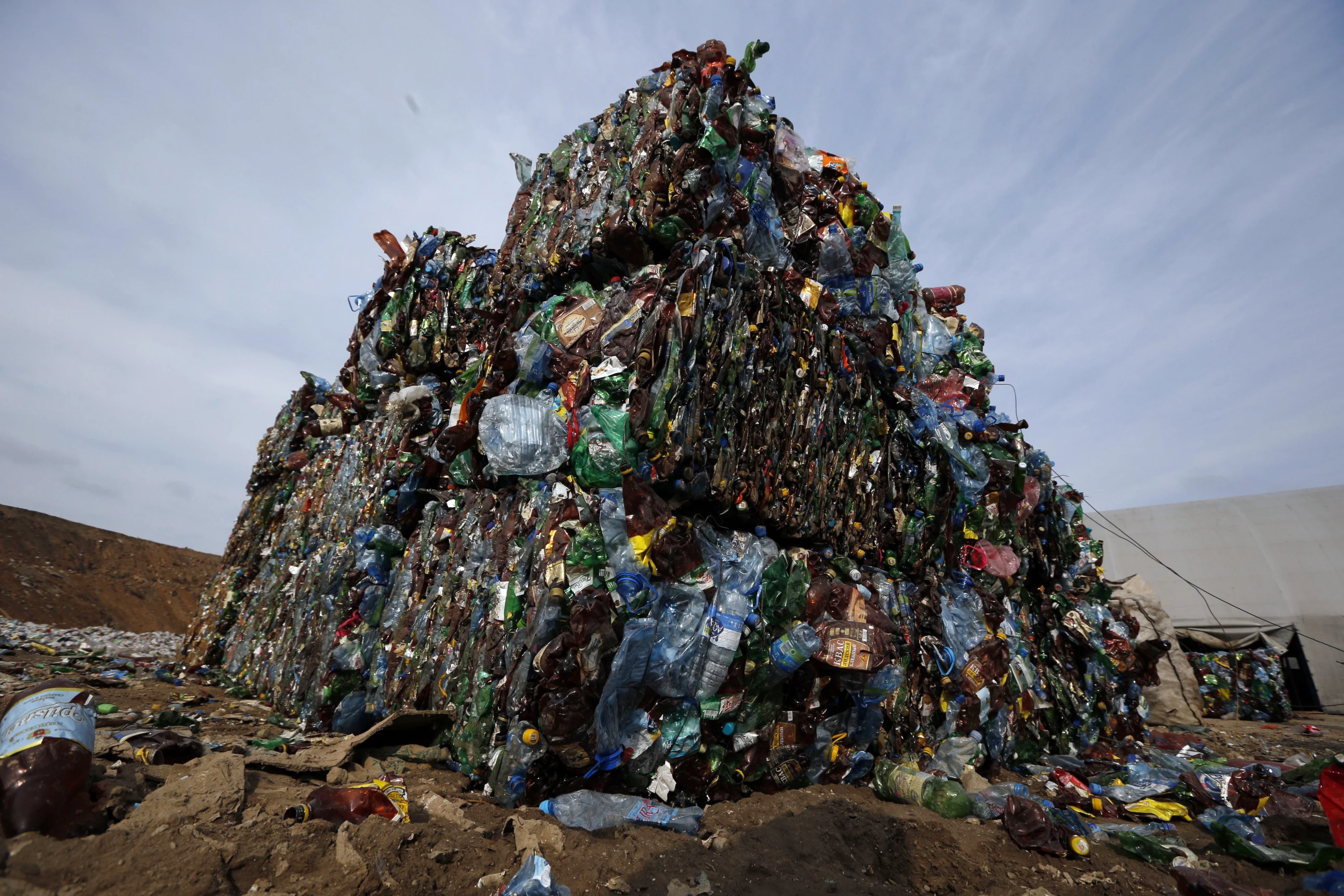
ERBIL, Kurdistan Region of Iraq - Iraq produces around 16,000 tons of plastic waste daily, mostly due to the widespread use of plastic bags, the environment ministry said Friday, warning that it leads to serious health, environmental, and economic risks.
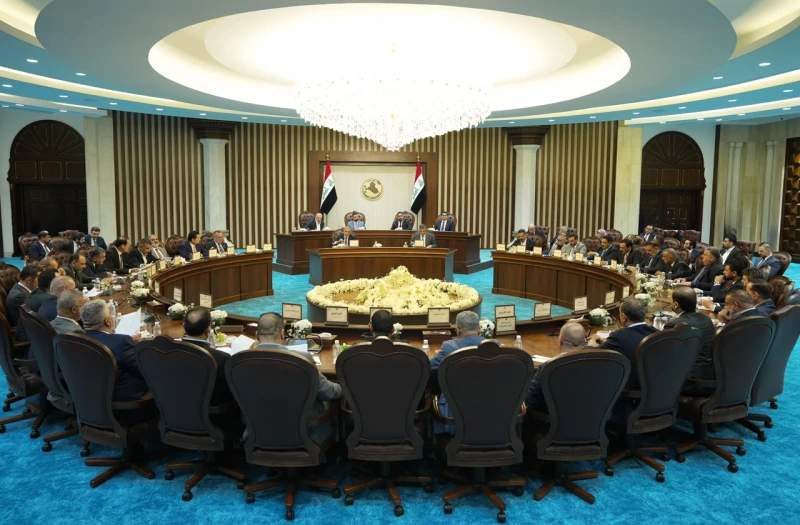
During a cabinet meeting on Tuesday, the Iraqi Council of Ministers decided that stores must cease distributing free single-use plastic bags within six months, adding that the import of plastic bags will be stopped and their use in bakeries will be banned.
Environment ministry spokesperson Luay al-Mukhtar said the government’s move to curb reliance on plastic bags “is an important decision from three aspects: health, environment and economic.”
Most shops in the country give free plastic bags once a purchase is made. Many countries sell reusable bags made of fabric as one-time use bags are widely known as a pollutant.
Mukhtar also stressed the need to reduce the use of plastic materials which come into contact with foods and water such as, packaging materials, water bottles, and single-use utensils.
“Some plastic products, especially recycled ones, have the ability to transfer chemicals from them to food, especially with temperature differences, which causes multiple health risks that may lead to cancer, in addition to affecting the body's organs and nervous system,” the spokesperson added.
The average Iraqi produces around one kilogram of waste per day, of which nearly half - around 400 grams - is plastic, which means “Iraq’s population of approximately 40 million people produces about 16,000 tons of plastic waste daily,” Mukhtar noted.
Ministry data from 2021 showed that around three billion dollars were spent on importing plastic products from several countries, including Turkey, China, the UAE, Kuwait, Saudi Arabia, and Jordan.
 Facebook
 LinkedIn
 Telegram
 X
X