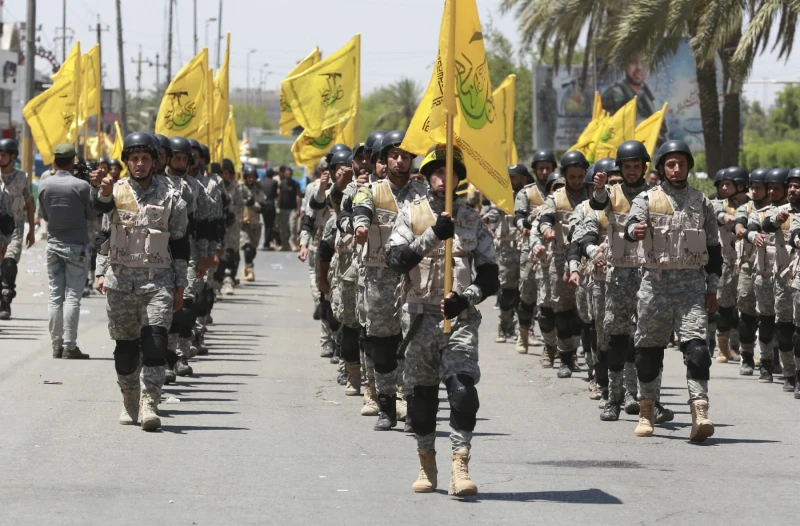

ERBIL, Kurdistan Region of Iraqi – Akram al-Kaabi, head of the Harakat al-Nujaba on Wednesday threatened US Envoy to Iraq Mark Savaya, saying that "if you do not silence him, the Islamic resistance will stuff a stone in his mouth,” coming after repeated remarks by the US envoy calling for disarming Iran-backed Iraqi militias.
“Know that if you do not silence him, the Islamic Resistance will stuff a stone in his mouth and return him to the masters who enslaved him,” Kaabi said in a statement, alleging that Savaya has “betrayed his country and was not loyal to it, but rather ungrateful and disloyal.”
The Islamic Resistance in Iraq refers to an umbrella network of Iran-backed militias, many of which have been designated as terrorist organizations by the US.
Kaabi accused the US envoy of being a “traitor to his country who has thrown himself into the arms of his occupiers, who came recklessly and disregarding the sovereignty of Iraq, rolling up his sleeves to steal the resources of his country and place them in the hands of his foolish American master.”
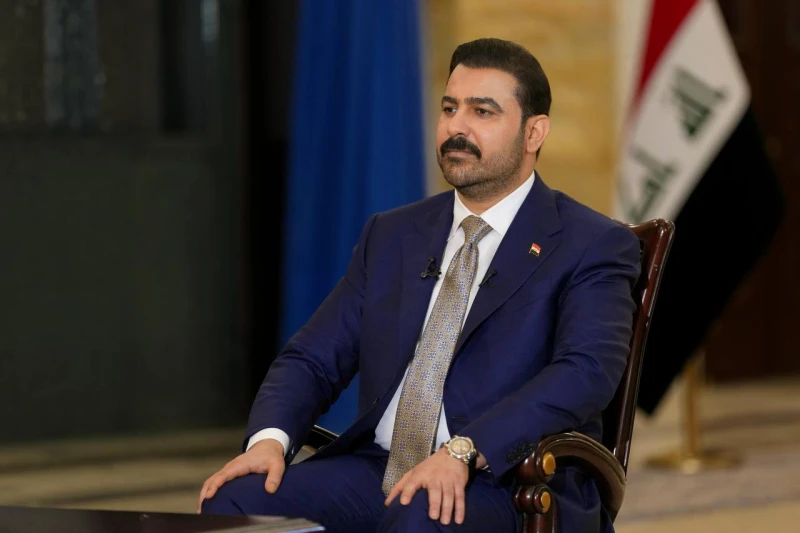
Savaya, a Chaldean of Iraqi descent, is an entrepreneur and business man in Detroit, who was appointed as US special envoy to Iraq by US President Donald Trump on October 19.
The militia leader warned of “the blatant interference in Iraqi affairs by the global American-Zionist arrogance.”
Kaabi’s remarks come amid a visit by US Deputy Secretary of State for Management and Resources Michael Rigas, where he has met with several Iraqi and Kurdish leaders and officials since Sunday, prior to attending the inauguration of the world’s largest US consular compound in Erbil.
The US in September designated as a Foreign Terrorist Organization (FTO) the Harakat al-Nujaba, among three other Iran-backed Iraqi factions. Mark Savaya, as well as numerous other US officials have repeatedly warned against the presence of pro-Iran militias in Iraq, cautioning the risk it poses to Iraqi sovereignty.
“The United States Government has made it clear that there is no place for armed groups operating outside the authority of the state,” Savaya said in a statement in late October, noting that Iraq’s stability is dependent on “having unified security forces under the command of a single government.”
Nearly a month later in November, Savaya reiterated that “no economy can grow, and no international partnership can succeed, in an environment where politics is intertwined with unofficial power," adding that "Iraq now has a historic opportunity to close this chapter and reinforce its image as a state built on the rule of law, not the power of weapons.”
Savaya is expected to make his first visit to Iraq in an official capacity as the US envoy in the coming weeks.
The US has ramped up efforts to curb Iranian influence in Iraq, and limit the expanding role of Iran-backed Shiite armed groups in the country who enjoy a similar level of governance and authority as the state forces.
Washington’s concerns however, are often dismissed by Iraqi authorities who claim that Baghdad’s cooperation with Tehran is based on Iraq’s national interests and is an extension of the country making decisions as an independent sovereign state.
 Facebook
 LinkedIn
 Telegram
 X
X