ERBIL, Kurdistan Region of Iraq - International economic expert Nawar al-Saadi warned on Sunday that Iraq’s current and future financial situation remains fragile, saying that public sector salaries could be at risk in the coming period if oil prices continue to decline. He also cautioned against the possibility of austerity measures.
In a statement to The New Region, Saadi said Iraq’s financial position is weak but still has solutions. He explained that official indicators show Iraq continues to rely heavily on oil as its main source of income, even in 2025, with oil revenues accounting for more than 85 percent to 90 percent of total state income in recent periods.
This makes the country’s budget highly exposed to global oil price fluctuations, according to the analyst.
He said this dependence is clear in the half-year revenue figures released by the finance ministry, which show that large sums of money entering the treasury come mainly from oil sales.
Meanwhile, non-oil revenues remain relatively limited, weakening the government’s ability to build financial reserves or fund long-term investment projects without putting pressure on current spending.
Looking ahead to next year, Saadi said the outlook depends directly on the course of oil prices and the ability of the next government to carry out urgent reforms.
“Declining prices or the decline of exported quotas will quickly lead to shrinking the budget surpluses and open the door to financing the deficit by increasing domestic borrowing or resorting to inflationary financing,” said Saadi.
He said such steps would raise borrowing costs, put pressure on the exchange rate, increase inflation, and create risks for security stability and the energy sector.
On the other hand, if oil prices are relatively stable and the government is able to turn part of the surplus into a sovereign reserve fund and implement tax and customs reforms, the risks can be softened,” he added, noting that this would also allow the government to direct more money toward productive economic projects.
The analyst said that this assessment aligns with warnings from the International Monetary Fund, which has repeatedly called on Iraq to control the public wage bill and strengthen non-oil revenues to reduce exposure to oil price shocks.
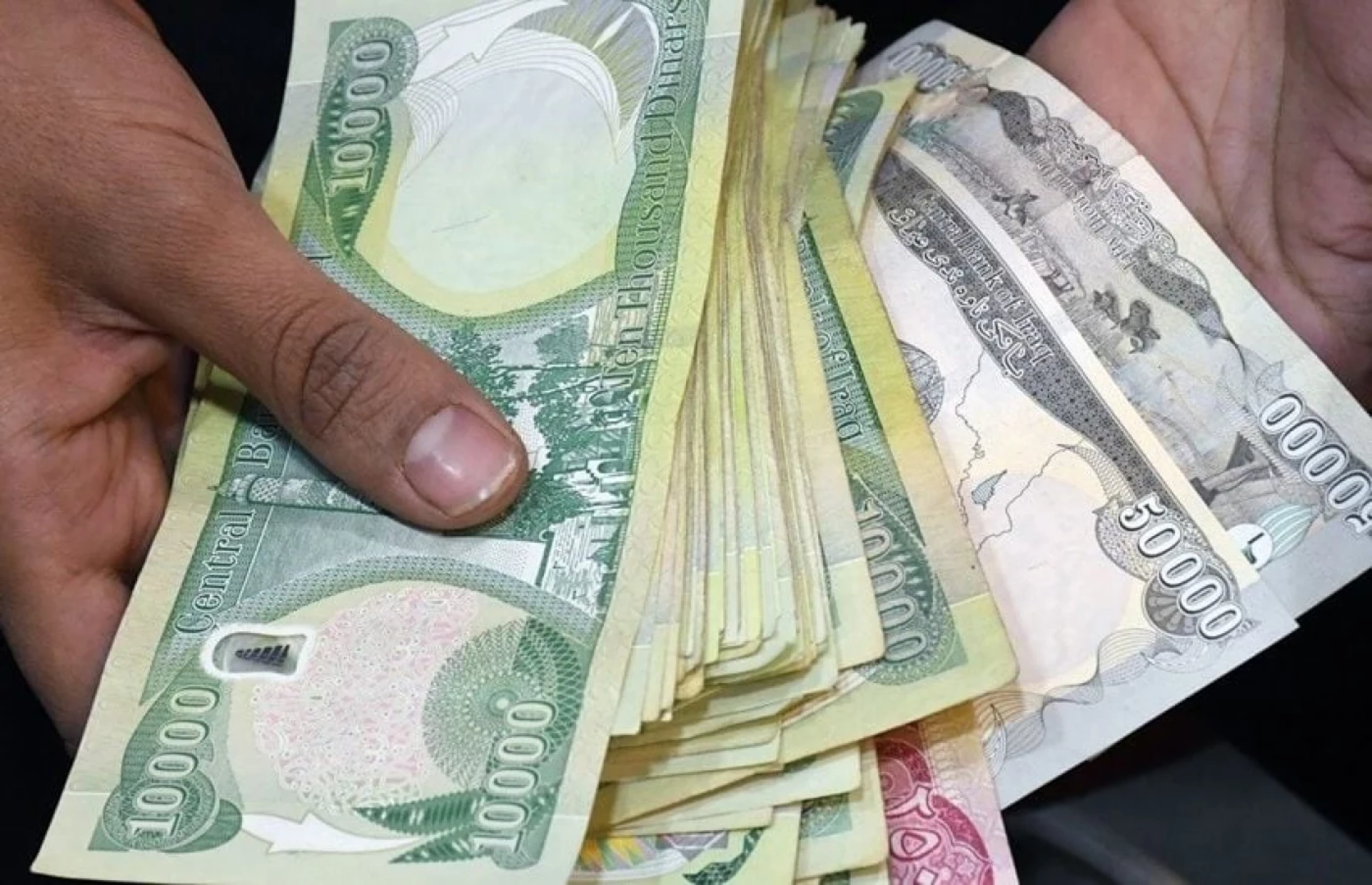
Saadi stressed that salaries and some financial obligations are genuinely under threat if oil prices continue to fall. He said any sharp decline in oil revenues would force the authorities into difficult decisions, such as delaying payments, limiting new hiring, or increasing domestic borrowing.
He warned that this would reduce banks’ ability to lend to the private sector, raise local interest rates, and could eventually lead to austerity measures, including reviewing wages or allowances.
He said such outcomes could be avoided only if the government takes early steps to protect vulnerable groups, build strategic reserves, or secure concessional external financing.
 Facebook
 LinkedIn
 Telegram
 X
X