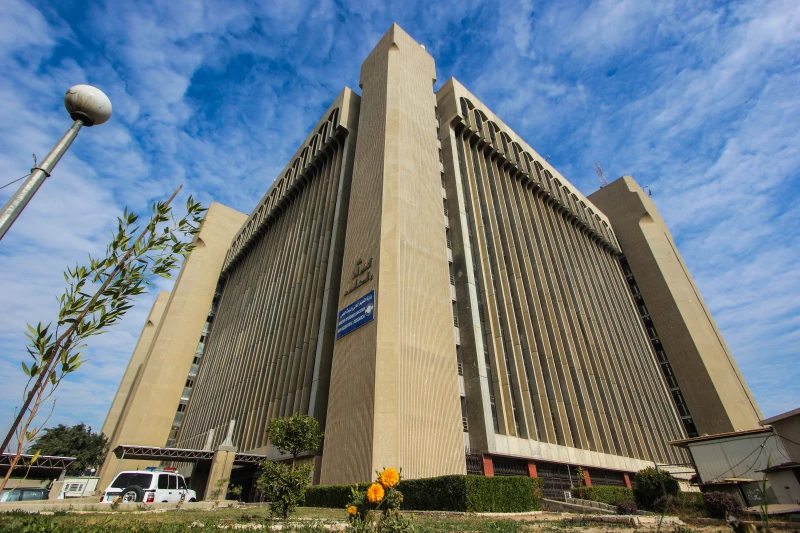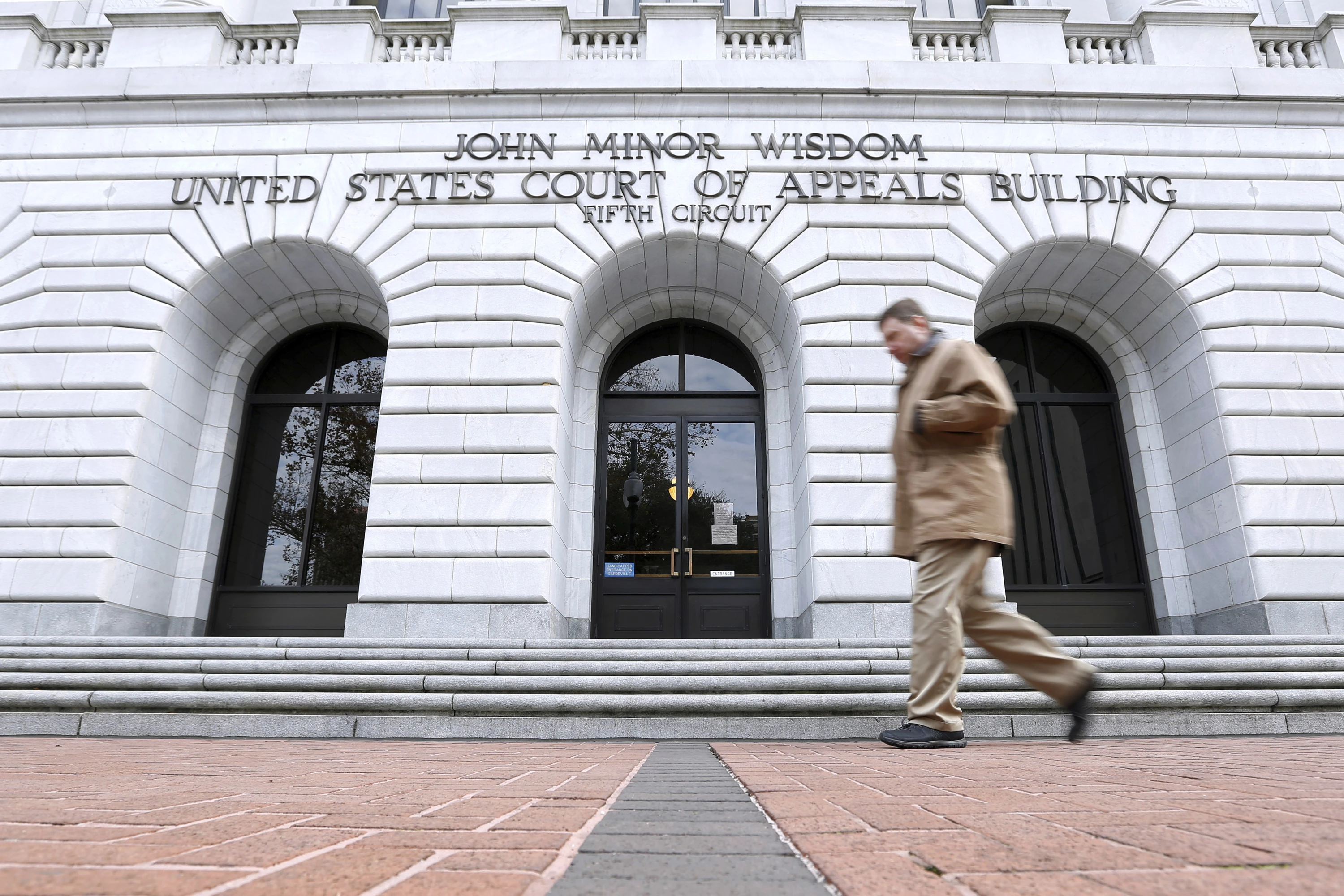
ERBIL, Kurdistan Region of Iraq – Iraq’s justice ministry on Sunday announced that it has achieved a major legal victory in the United States, after an appeals court overturned a ruling which had obliged Baghdad to pay $120 million to defense contractor Wye Oak Technology.
“The Iraqi Ministry of Justice achieved a significant legal victory after winning the lawsuit filed by the American company Wye Oak in the United States,” read a ministry statement.
In the lawsuit, the company had asked Iraq to pay $24 million over a dispute the ministry said was “related to a previous contract” with the Iraqi defense ministry. In November 2019, a US court issued a preliminary ruling obliging Baghdad to pay over $120 million, in addition to around $11,000 for each day of delayed payment.
“The lawyers of the Iraqi side submitted an appeal against the ruling, which resulted in the annulment of the decision issued in favor of the company,” read the Iraqi statement, noting that a final court decision was made in September “rejecting Wye Oak's claims in their entirety and overturning the previous ruling against Iraq."
In 2003, Wye Oak entered into contract with the Iraqi government to reequip the Iraqi military following the US invasion of Iraq. The company submitted three pro forma invoices in October 2004, worth over $24 million, which the Iraqi defense ministry approved. The ministry made the payments through a third party, a Lebanese businessman, who Wye Oak claims was inserted by the defense ministry, while Baghdad claims that the company had a business relationship with the businessman.
Dale Stoffel, Wye Oak president, paid a visit to Iraq in December 2004 to resolve the issue. He was killed days later in an attack claimed by a jihadist group. Wye Oak halted operations in Iraq and filed a lawsuit in a US federal court, which awarded the company over $120 million in damages in 2019.
The Appeals Court, however, found that Iraq is immune from the suit under the Foreign Sovereign Immunities Act (FSIA), which protects foreign states from civil lawsuits in the US unless specific exceptions apply.
The court emphasized that the commercial activity exception to the FSIA, which would strip Iraq of immunity, did not apply in this case.
In July, the appeals court stated “whatever the merits of the damages dispute, we cannot reach it. Iraq is immune from suit, so we have no jurisdiction. We accordingly reverse the district court's judgment and remand for dismissal of the case.”
“Iraq loses its immunity to this lawsuit only if its breach of contract caused a direct effect in the United States. It did not. Iraq was the center of Wye Oak's entire commercial relationship with the Ministry, and Iraq is where the breach's direct effects occurred. As a result, the district court lacked jurisdiction over this suit, and so its judgment is vacated, and the case remanded with instructions to dismiss,” the court added.
 Facebook
 LinkedIn
 Telegram
 X
X