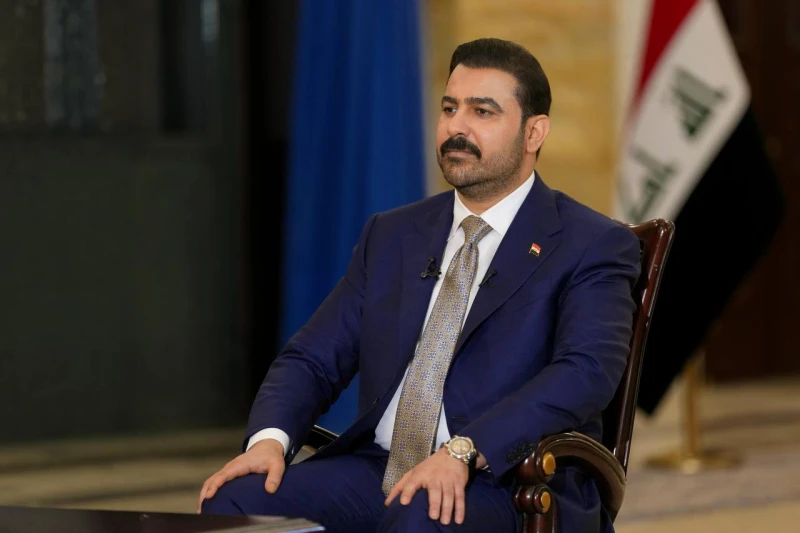
ERBIL, Kurdistan Region of Iraq - Iraq is financially secure for about five months if oil exports through the Strait of Hormuz are disrupted, a financial adviser to the prime minister said on Saturday, warning that the government will have to resort to domestic borrowing to pay salaries if the crisis continues.
Mazhar Mohammed Salih told the Iraqi state media that any obstruction of Iraqi oil exports through the Strait of Hormuz would affect the country’s financial and economic situation, but the impact would not be immediate.
“The effect will not appear now because oil is exported first and priced later,” Salih said, explaining that the consequences would likely begin to appear in about two months.
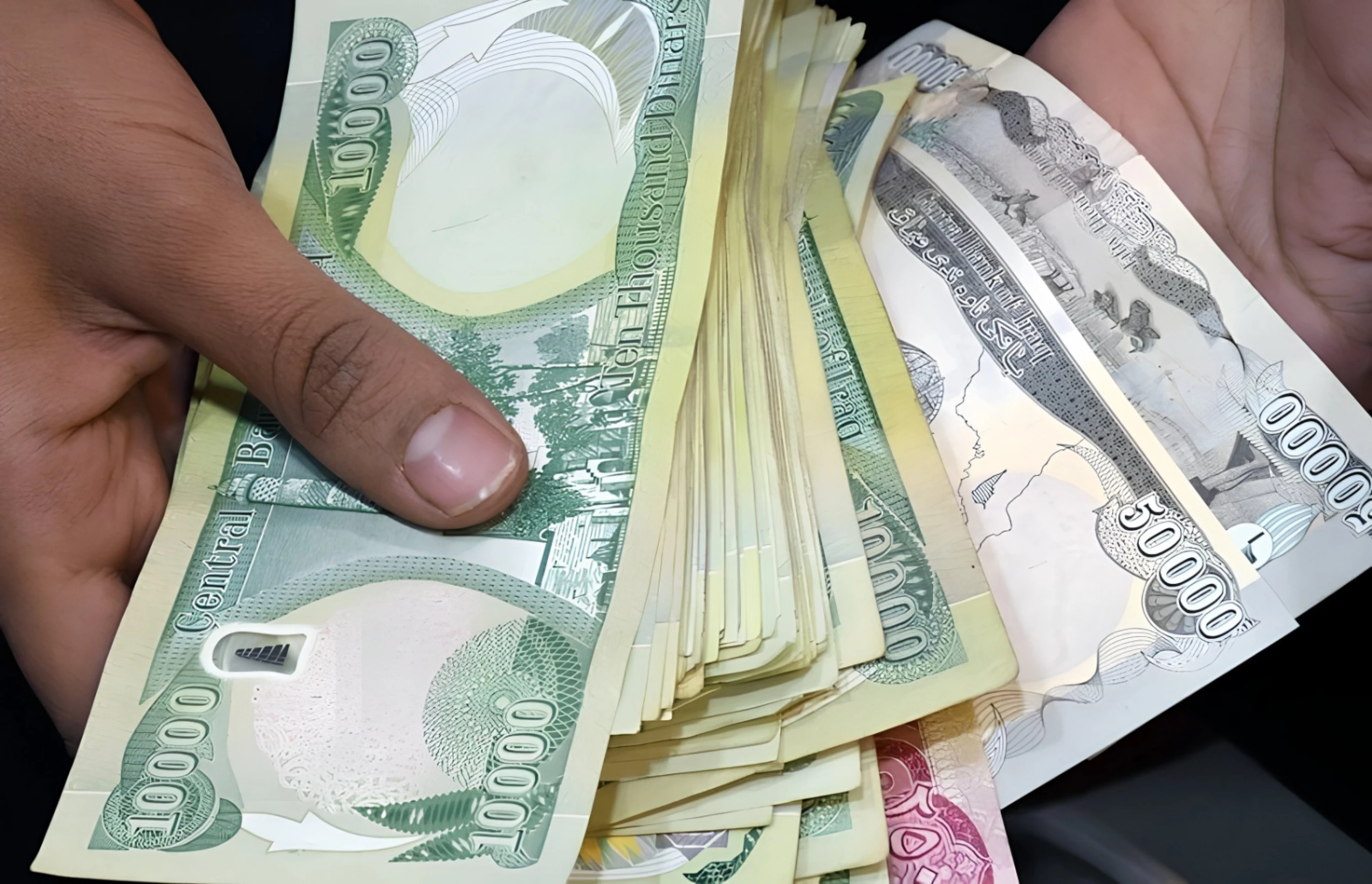
"The government has no solution other than resorting to borrowing to provide salaries and pay external obligations," he continued, explaining that "Iraq will go through a period of austerity during the two months we mentioned, in terms of wages, pensions, and social welfare."
Salih said domestic borrowing is among the options the government is considering, noting that cooperation between monetary and fiscal authorities and Iraq’s strong foreign reserves would support such measures if needed.
The breakout of the war between the US, Israel, and Iran has left Iraq in an uncomfortable economic position, with repeated attacks damaging investor confidence and hampering the transfer of oil revenues from the US.
Iraq’s monthly oil revenues are deposited into its account at the US Federal Reserve, which are normally transferred back to the country accordingly.
In January and February, none of the revenue came through; a transfer was scheduled for the beginning of March, but after the flights were suspended due to the US-Israeli war on Iran, the transfer route was cut off.
“All of Iraq's cash reserves that it claims to have are dependent on oil revenues held in the United States. Now that the routes are closed, those revenues are inaccessible, and Iraq has fallen into a severe crisis,” an Iraqi government source told The New Region.
If the war continues, “it is not impossible that Iraq will be unable to pay the salaries of its own employees and those of the Kurdistan Region,” the source added.
On Thursday, Iran’s new Supreme Leader Mojtaba Khamenei, in his first public message, vowed that Tehran will continue attacking US military bases in the region if they are used to launch attacks against Iran, as well as doubling down on a commitment to blockade the strait to pressure Iranian foes.
The conflict has largely disrupted shipping through the strategic waterway, one of the world’s most important shipping routes and its most vital oil transit chokepoint, with Iranian forces attacking several vessels attempting to cross it.
 Facebook
 LinkedIn
 Telegram
 X
X