
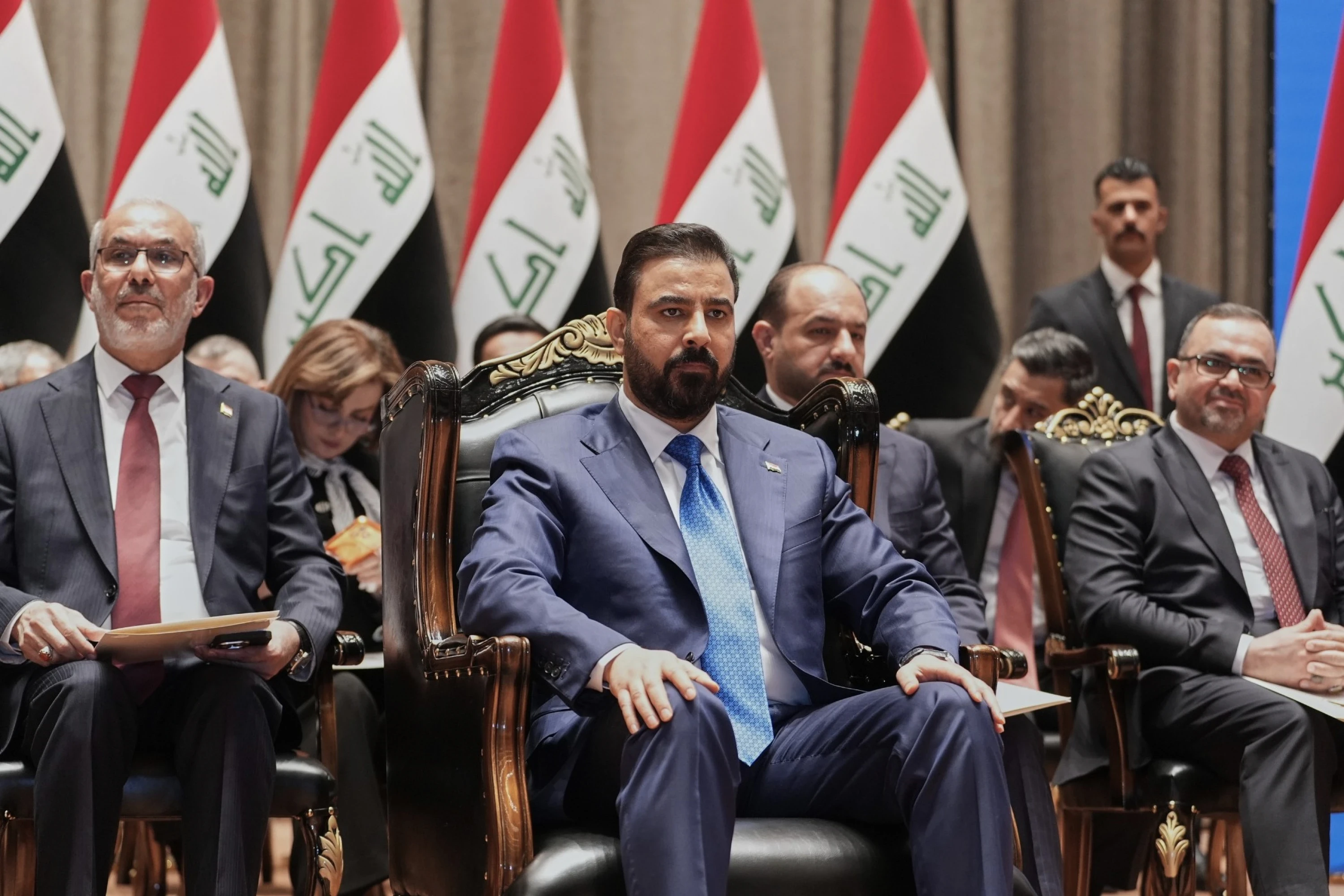
ERBIL, Kurdistan Region of Iraq - State of Law Coalition lawmaker Ibtisam al-Hilali said Thursday there is “political movement, confirmation, and insistence by Coordination Framework parties to hold an extraordinary parliament session to complete voting on the vacant cabinet posts in Prime Minister Ali al-Zaidi’s government.”
Hilali told the Iraqi state media that the latest Coordination Framework meeting, attended by Zaidi, “reaffirmed support for completing the cabinet formation process during the coming period.”
She added that political efforts are underway to convene an extraordinary parliament session next week to vote on the remaining vacant ministries.
The Iraqi parliament approved Zaidi's government program in May and confirmed 14 ministers of 23 during a session attended by 270 lawmakers.
Among the approved ministers were Kurdistan Democratic Party (KDP) member Fuad Hussein, who retained his position as foreign minister, Patriotic Union of Kurdistan (PUK) member Khalid Shwani, who remained justice minister, and New Generation Movement (NGM) leader Srwa Abdulwahid, who was appointed environment minister.
However, lawmakers failed to complete voting on several key cabinet positions amid political disagreements and disputes on the parliamentary floor.
The ministries of defense and interior, among other portfolios, remained vacant after no candidate secured sufficient support.
Parliament was expected to resume voting on the remaining ministries in a subsequent session following Eid al-Adha, which concluded in late May.
Both the US and Iran welcomed Zaidi's government formation steps at the time, with the businessman-turned-politician having both expressed openness to American investment and urged the restriction of non-state actors, policies supported by Washington, while also rejecting the use of Iraq as a launching pad for foreign military powers, something that is in Tehran's national interest.
 Facebook
 LinkedIn
 Telegram
 X
X