ERBIL, Kurdistan Region of Iraq - The Iranian judiciary on Wednesday shut down the country’s first state-affiliated rap music program, which featured several well-known rappers who had performed underground for years, amid widespread criticism from artists and the public over Tehran’s attempt to control a genre traditionally used to protest government practices and authority.
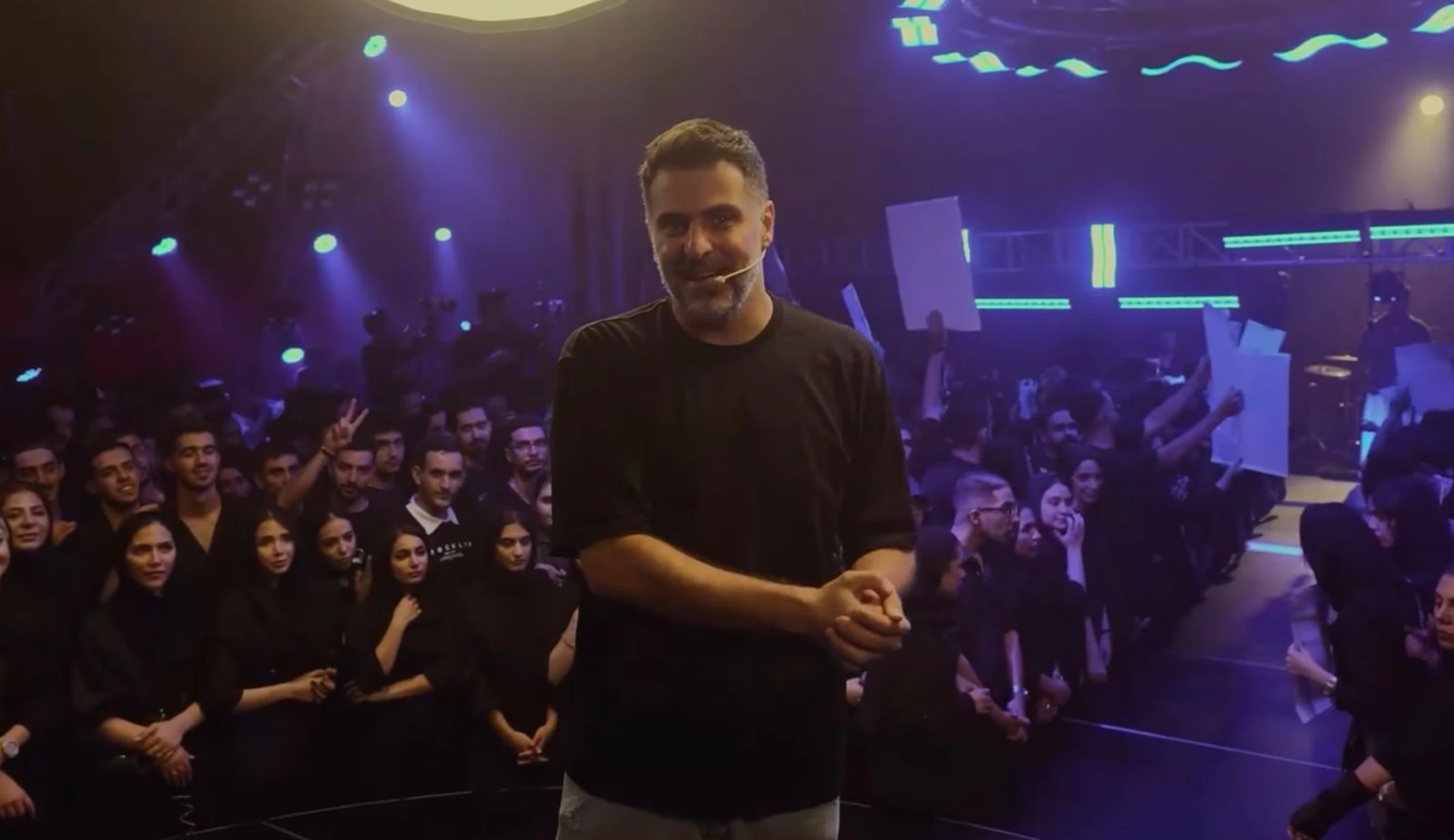
The rap music program ‘Gang’ was recently streamed on Filimo, an Iranian online platform similar to Netflix that offers movies and series produced in accordance with the Islamic Republic’s Sharia-based regulations.
The program was hosted by longtime state-affiliated TV anchor Ali Ziya, known for his work on state broadcasters and other government-linked media, where he has covered programs and conducted interviews with officials from or tied to the Islamic Revolutionary Guard Corps (IRGC) and other top officials.
“The continued broadcast of a program featuring one of the music genres, which lacked the necessary legal permits and included certain behaviors and scenes contrary to the cultural, religious, and national values of Islamic Iran, has been stopped by judicial order,” the judiciary’s Mizan media outlet said on Wednesday.
“A legal case has been opened regarding the matter,” the statement added.
Videos and episodes of the program were removed from all official social media platforms, including those of the host, Ziya.
In Iran, music has long served as a way for artists to criticize authorities for repression, discrimination, and strict public regulations. Musicians must obtain approval from the Ministry of Culture and Islamic Guidance, which enforces Sharia-based rules, to legally practice their art.
Most artists, especially musicians, practice their art underground and without official approval, and many face repression annually.
Ziya launched a YouTube channel called Baziya (meaning 'with Ziya') that gained attention over the past year for interviewing rappers and singers who had previously faced government repression and arrests and were banned in the country, particularly targeting the rap community.
The program addressed topics considered taboo in Iran and contrary to the Islamic republic’s norms, prompting widespread criticism from the public due to Ziya’s well-known state-affiliated background.
“The illegal broadcast of the first episode of this program on one of the platforms of the Home Theater Network had led to some concerns and protests in the past few days,” the judiciary said.
It added that “in accordance with its inherent duties to protect the law and safeguard the rich and institutionalized capacities of Iranian-Islamic culture, literature, and art, and also with the aim of combating any discrimination or illegal actions in the production of cultural and media programs, [the judiciary] prevented the continuation of the broadcast of this program.”
Rappers who appeared on the program had previously been interviewed by Ziya, but following the broadcast of the first episode of Gang, widespread criticism erupted on social media, with many accusing the artists of being state-affiliated and the government of co-opting rap’s traditionally protest-oriented nature.
Several artists, including Shayea, apologized to the public on their social media accounts, while many of the country’s prominent rappers, such as Reza Pishro and Hichkas, criticized them for their perceived ties to the government.
The announcements come as Iranian singer and Grammy winner Shervin Hajipour faces intense pressure from intelligence forces, with the artist revealing on Instagram in November that he was banned from entering gyms or attending concerts with friends.
Hajipour won a Grammy for his song Baraye, released during the 2022 Women, Life, Freedom (Jin, Jiyan, Azadi) protests. The song, which criticized ongoing injustices in Iran, gained widespread recognition both nationally and internationally and became a protest anthem.
Mahsa (Jina) Amini, a young Kurdish woman from Saqqez, died in police custody in September 2022, sparking one of Iran’s largest nationwide uprisings.
 Facebook
 LinkedIn
 Telegram
 X
X