ERBIL, Kurdistan Region of Iraq - Observers have linked recent moves in the Iraqi political sphere to ramp up efforts to restrict weapons to state forces with growing US pressure, with one analyst asserting that Baghdad's posture “is determined by international factors, not by political awareness rooted in the popular or religious base.”
Faiq Zidan, President of Iraq’s Supreme Judicial Council, on Saturday announced that the leaders of some armed factions have adhered to his advice on cooperation “to enforce the rule of law, confine weapons to the state, and transition to political action now that the national need for military action has ceased.”
His announcement was rebuffed by some armed factions, including Kataib Hezbollah and Harakat al-Nujaba, giving rise to increased public discourse regarding the clamping down on militias in Iraq, something Washington has long pushed for.
"No weapons can exist other than those of the state, and no customs or laws can be enacted or applied other than the existing laws," interior ministry spokesperson Abbas al-Bahadli said on Sunday.
Strong US influence
Jowad al-Dahlaki, a military and strategic expert, believes Iraq’s political system is now being “guided by international decisions,” particularly those coming from the US and other global powers.
Speaking to The New Region, Dahlaki stated, “The political system in Iraq has shown that its direction is determined by international factors, not by political awareness rooted in the popular or religious base, as it was when the system was founded after 2003 to maintain a democratic framework.”
Dahlaki added that the international decisions of the current era are creating significant challenges for Iraq’s political system. “Now, everyone is adjusting to the US decisions, waiting for the new government to align accordingly,” he said.
He further pointed out, “There’s a new US decision on the table, which is stricter on weapons. Without this shift, the current parliamentary elections will be meaningless, and the government formation will remain stalled under the weight of international influence.”
He warned that Iraq may continue to face political paralysis, searching for new solutions that fail to meet the needs of its political process.
Dahlaki noted that the process of disarming factions could harm the aspirations of Iraq’s ruling coalition. “This shift could impact the tripartite system managing the country, as seen with other regional regimes. Some faction leaders, however, have shown more awareness and are willing to relinquish their weapons in exchange for participating in the upcoming political process. This is akin to boarding Noah’s Ark, trying to escape potential dangers, all while facing severe warnings from the US sanctions.”
A post-election shift?
Political analyst Ali Nasser sees this moment as a turning point for political engagement. He explained that Iraq’s factions must now focus on representing the public, especially after some factions gained significant ground in the recent elections. Many now sit in the Iraqi parliament, creating an opportunity for direct communication with their supporters.
Nasser noted that these factions have faced mounting pressures over the past year, even during the tenure of Prime Minister Mohammed Shia’ al-Sudani.
He argued that these pressures, which had the potential to destabilize Iraq, were rooted in both internal challenges and regional influences, particularly in relation to the situation in Iran.
However, Nasser clarified that while some factions are adjusting their tactics, they still maintain the right to use weapons if they believe it’s necessary for Iraq’s future.
“Some factions have clearly stated that they won’t give up their weapons unless coalition forces and Turkish troops leave Iraqi territory,” he said.
“This means disarming does not rule out the potential for future use of weapons should the situation change.”
Zohair al-Jalabi, a member of the State of Law Coalition, linked the disarmament of factions to their increasing political power in Iraq’s parliament.
“If these factions secure around 100 seats in the upcoming parliamentary session, they will effectively control the state,” Jalabi told The New Region. “They no longer need military influence. It’s certain that any new prime minister will have to align with them politically.”
US Special Envoy to Iraq Mark Savaya in late November highlighted the need for the Iraqi government to bring weapons under state control and ensure state institutions are protected.
“No economy can grow, and no international partnership can succeed, in an environment where politics is intertwined with unofficial power. Iraq now has a historic opportunity to close this chapter and reinforce its image as a state built on the rule of law, not the power of weapons,” Savaya wrote on X.
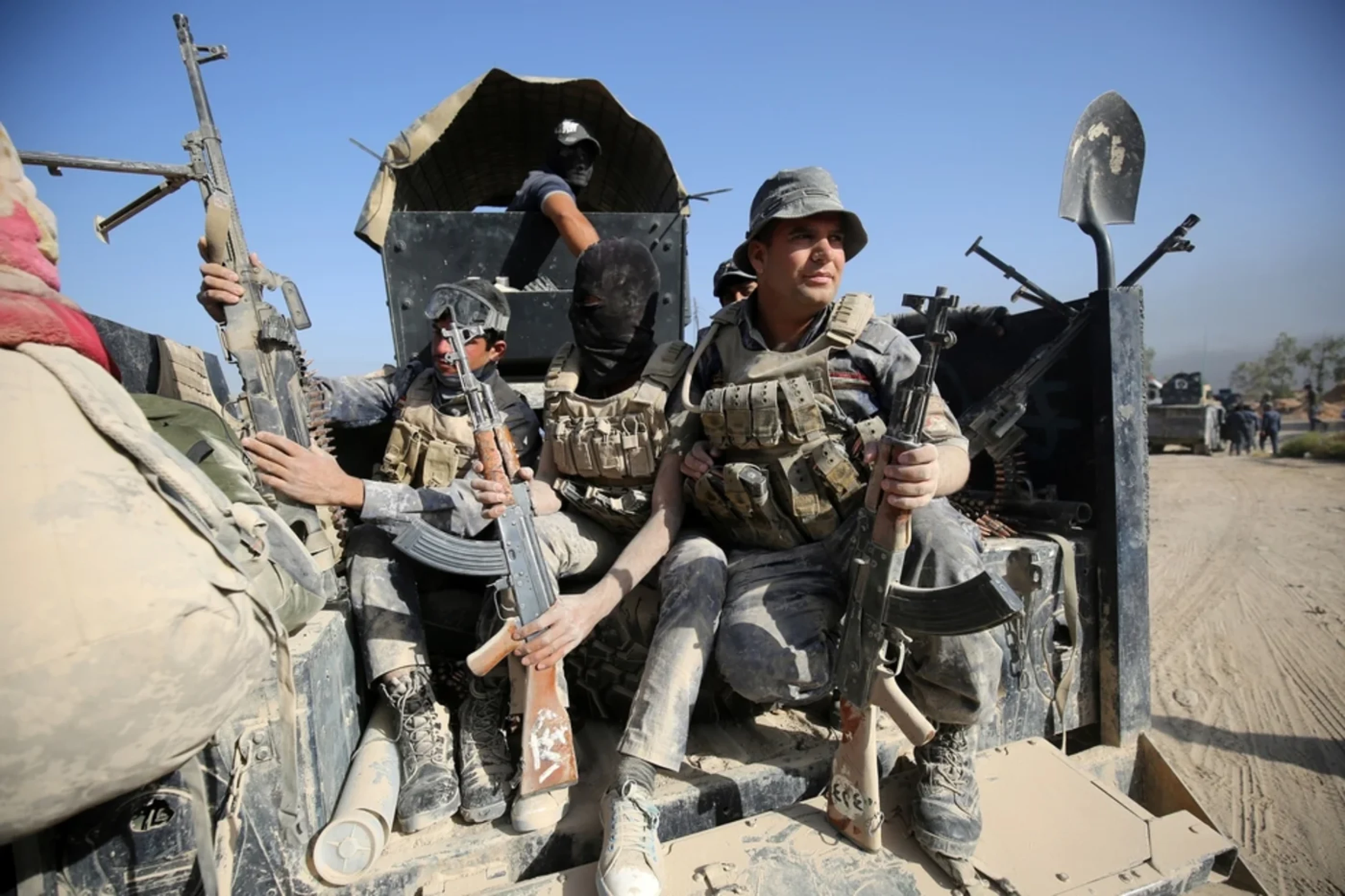
Illegal weapons in Iraq stand out as one of the most pressing challenges to security and stability. Unofficial data puts the number of arms within the Iraqi society at around 15 million medium and light weapons, with armed groups and tribes possessing the bulk of them.
 Facebook
 LinkedIn
 Telegram
 X
X