ERBIL, Kurdistan Region of Iraq - Iranian Foreign Minister Abbas Araghchi said that "good progress" was made in Thursday's nuclear talks with the US, adding that they "entered into the elements of an agreement very seriously, both in the nuclear field and in the sanctions field."
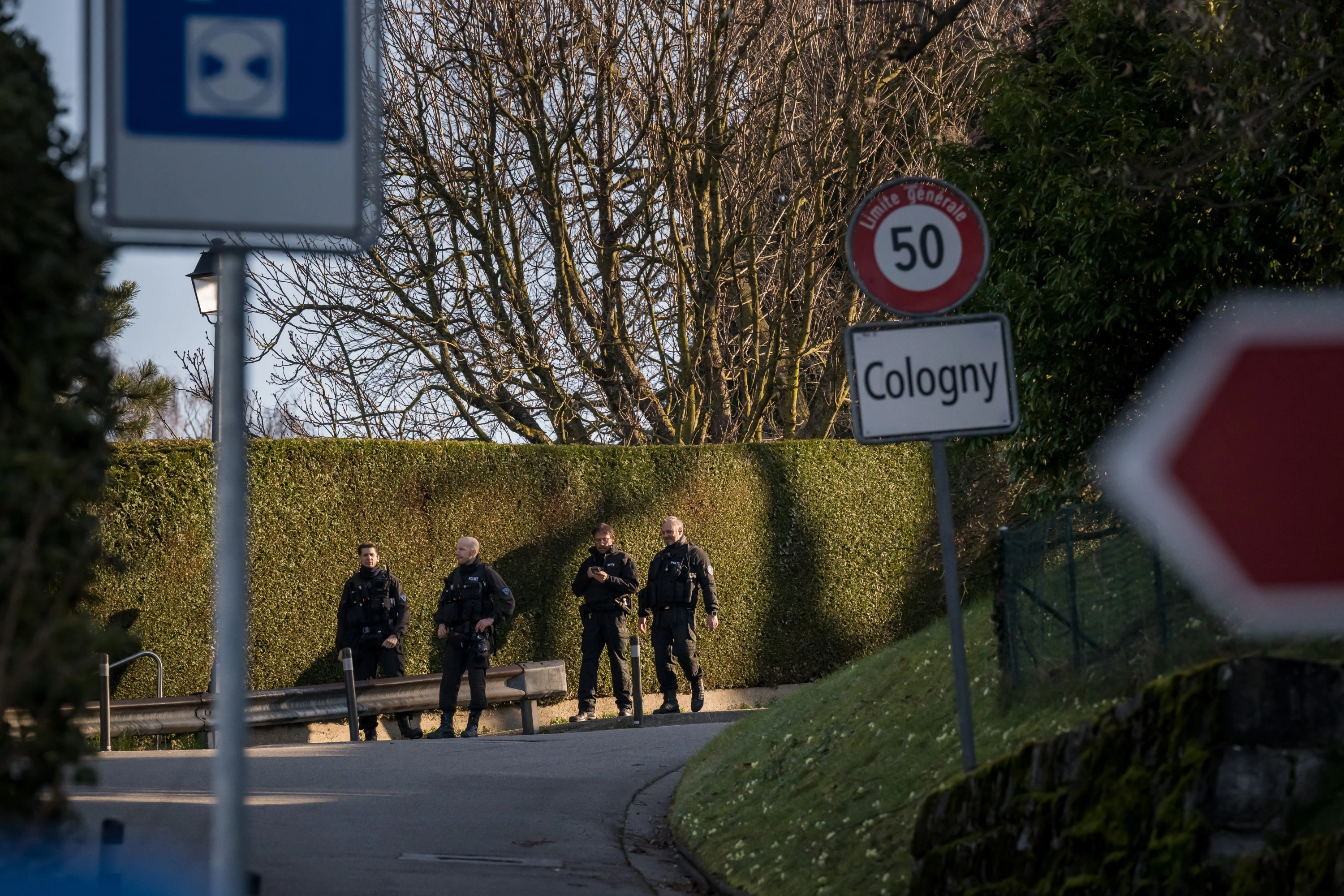
The two sides reconvened in Geneva for the third round of negotiations that began in February, meeting at the Omani ambassador's residence in the morning before retiring away to discuss the proposals with their respective governments ahead of an evening session.
Omani Foreign Minister Badr al-Busaidi said that the dialogue saw "significant progress," and that another round will be held to discuss technical matters in Vienna next week.
"We decided that the technical teams would start technical studies at the International Atomic Energy Agency [IAEA] in Vienna on Monday, and with the help of experts from that organisation," Araghchi told state TV.
IAEA chief Rafael Grossi, previously lambasted by Tehran for allegedly offering justification for Israeli and US strikes on Iranian nuclear facilities in 2025, was also present for the talks.
"Today’s round was the best among the rounds so far. We clearly presented our demands to the American side," the Iranian top diplomat continued.
Tehran’s proposal
According to Al Jazeera, a senior Iranian official said Tehran's proposal during the indirect Geneva talks centered primarily on sanctions relief and addressing Washington's concerns over its nuclear program.
"Our proposal for a solution includes technical and practical tracks and data that prove that we do not want a nuclear weapon. Our proposal confirms that our uranium enrichment is a sovereign right and offers a temporary freeze on enrichment for a limited period," the official said, adding that the proposal made no concessions on Iran's missile and defense programs.
"The principle of zeroing enrichment forever, dismantling nuclear facilities and transferring uranium stockpiles is completely rejected," the official said.
The official said the proposal also included reducing uranium stockpiles to low-enrichment levels under IAEA supervision, as well as measures aimed at advancing shared economic interests between the two countries.
"Our proposal in Geneva is politically serious and technically creative and includes everything needed to reach an agreement immediately."
US landscape
Recent polls show that while most Americans are on board with Israeli Prime Minister Benjamin Netanyahu’s long-held goal of seeing a new government in Iran, that support disappears if it means any direct US military involvement.
Prominent conservative commentator Tucker Carlson has voiced his opposition to any strike on Iran, arguing that such an action would be carried out solely for Israel's benefit.
According to a Thursday report from POLITICO, negotiations with Iran are appearing less and less likely to succeed, with some senior US officials pushing for Israel to strike first before Washington launches its own military campaign. Therefore, "the primary question is becoming when and how the US attacks."
Citing two sources familiar with the matter, the magazine noted that advisors to Trump are "privately arguing that an Israeli attack would trigger Iran to retaliate, helping muster support from American voters for a US strike."
The report suggests the strategy is rooted in political optics, adding that "the calculus is a political one – that more Americans would stomach a war with Iran if the United States or an ally were attacked first."
The latest round of talks come as Trump has ordered a massive buildup of military forces in the region and repeatedly threatened to intervene in Iran once again.
Last week, Trump said a possible nuclear deal with Iran could be decided within the next 10 days, warning that “really bad things” could happen if Tehran fails to reach a meaningful agreement.
In June 2025, key Iranian nuclear facilities were subject to US and Israeli strikes that curbed a large part of the country’s nuclear program, which has long been a source of concern for Washington and its partners in the region, despite Tehran’s claims that its uranium enrichment is for "peaceful purposes."
Following the June strikes, now known as the 12-day war, the UN nuclear watchdog lost access to key nuclear sites in Iran, giving rise to reports that Tehran is trying to rebuild its nuclear program.
 Facebook
 LinkedIn
 Telegram
 X
X