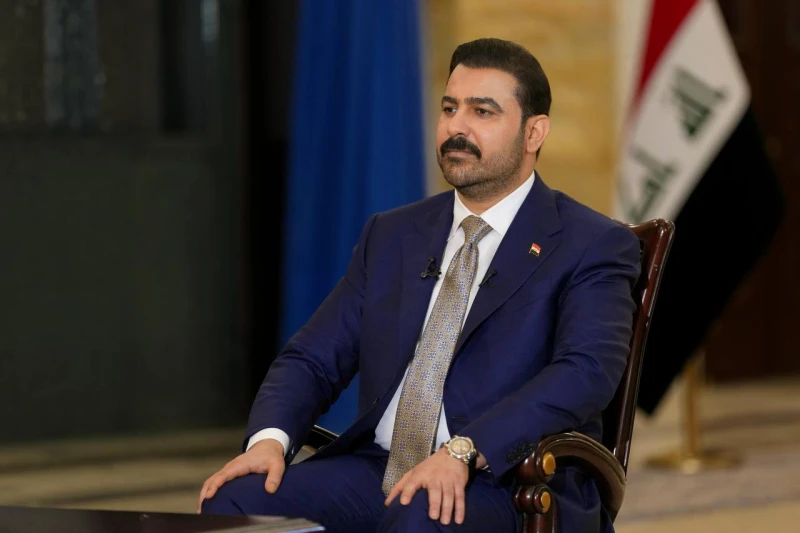

ERBIL, Kurdistan Region of Iraq - US Special Envoy to Iraq Mark Savaya on Monday welcomed the steps taken by armed factions towards disarmament, while asserting that practical steps must be taken to implement the process, not just statements of intent.
“The reported steps by Iraqi armed groups toward disarmament are a welcome and encouraging development,” the envoy said on X, describing that the move is a response to calls from the country’s religious authorities.
“At the same time, statements of intent alone are not sufficient. Disarmament must be comprehensive, irreversible, and implemented through a clear and binding national framework,” said Savaya, stressing that the process must entail “full dismantling” of all the factions and the transition of their members into civilian life.
No political party, organization, or individual must have an armed faction outside the state’s authority, the diplomat emphasized, adding that only “legitimate federal and regional institutions” should have the right to bear arms.
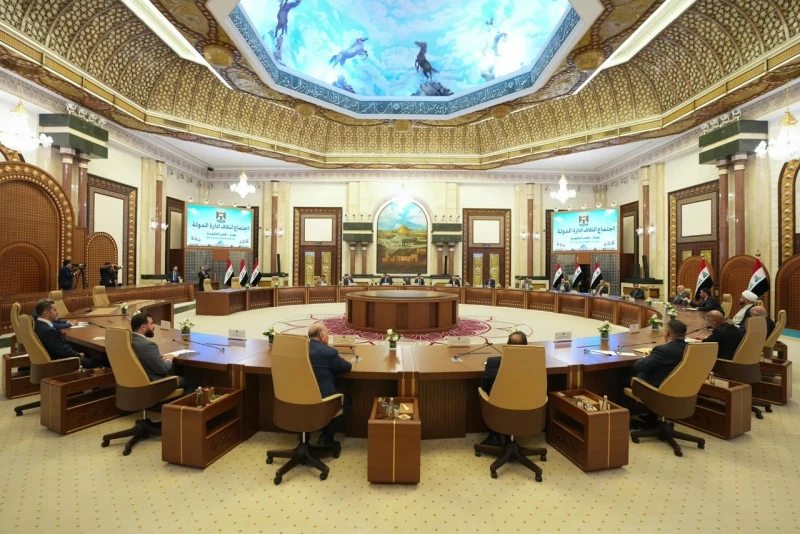
Faiq Zidan, President of Iraq’s Supreme Judicial Council, on Saturday announced that the leaders of some armed factions have adhered to his call to cease military action and confine weapons to the state.
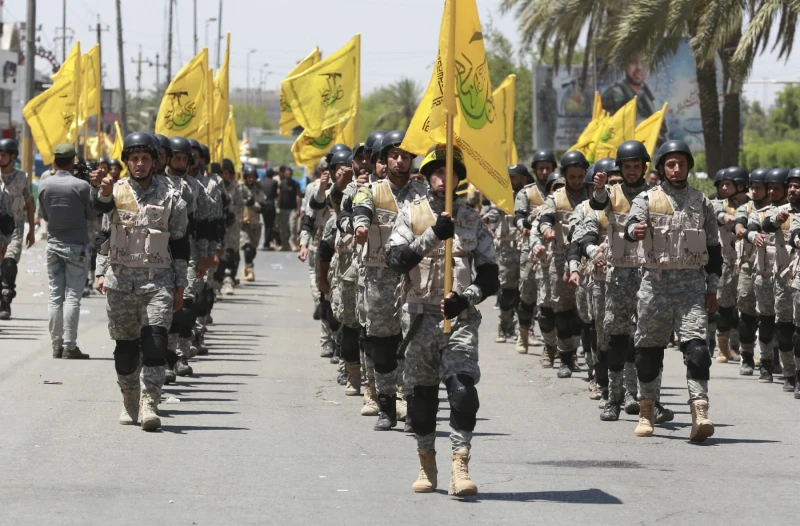
The development comes amid intensified calls by Washington on Iraq to curb Iranian influence, pushing Iraq to dissolve all armed factions, including the state-integrated Popular Mobilization Forces (PMF).
Kataib Hezbollah and Harakat al-Nujaba, two US-designated Iran-backed Iraqi militias, rebuffed the disarmament calls, saying they maintain the right to “resistance” as long as there are foreign forces present in the country.
The armed Shiite factions are particularly opposing of Savaya, dubbing his remarks and calls as “foreign interference” in Iraqi politics. They have issued several threats to the US envoy, demanding his expulsion from the country and warning Iraqi politicians against engaging with him.
Illegal weapons in Iraq stand out as one of the most pressing challenges to security and stability. Unofficial data puts the number of arms within the Iraqi society at around 15 million medium and light weapons, with armed groups and tribes possessing the bulk of them.
“Iraq stands today at a decisive crossroads. It can move forward on a path of sovereignty, stability, prosperity, unity, and the rule of law or it can remain trapped in a cycle of fragmentation and insecurity, where illegal armed groups exploit national resources for personal benefit and external agendas, further undermining the authority of the state,” Savaya concluded.
 Facebook
 LinkedIn
 Telegram
 X
X