ERBIL, Kurdistan Region of Iraq – Iraq’s foreign minister on Monday stressed that oil exports through the Gulf will face “significant difficulties” due to the military operations around the strategic Strait of Hormuz, noting that the ongoing conflict “has become aimless.”
The continuation of the war in the Middle East is “exacerbating the energy crisis and driving up prices, which is impacting the global economy,” Fuad Hussein said in a phone call with his British counterpart Yvette Cooper, during which the two discussed regional developments and the ensuing economic impacts.
“Iraq will face significant difficulties in exporting oil through the Gulf as a result of the military operations in the Strait of Hormuz,” Hussein emphasized.
Iranian authorities have largely halted shipping through the Strait of Hormuz, one of the world’s most important shipping routes and its most vital oil transit chokepoint, in response to the launch of the US-Israeli war on Iran, with Iranian forces attacking several vessels attempting to cross it.
US President Donald Trump on Saturday said he hopes China, France, Japan, South Korea, the UK, and other countries “will send ships to the area so that the Hormuz Strait will no longer be a threat by a nation that has been totally decapitated.”
Many key US allies responded to Trump’s call, expressing reluctance about a potential naval deployment and the prospect of being dragged into a wider conflict.
The development has led to a sudden rise in oil and diesel prices, with almost 20 million barrels of oil per day unable to make it safely past the waterway.
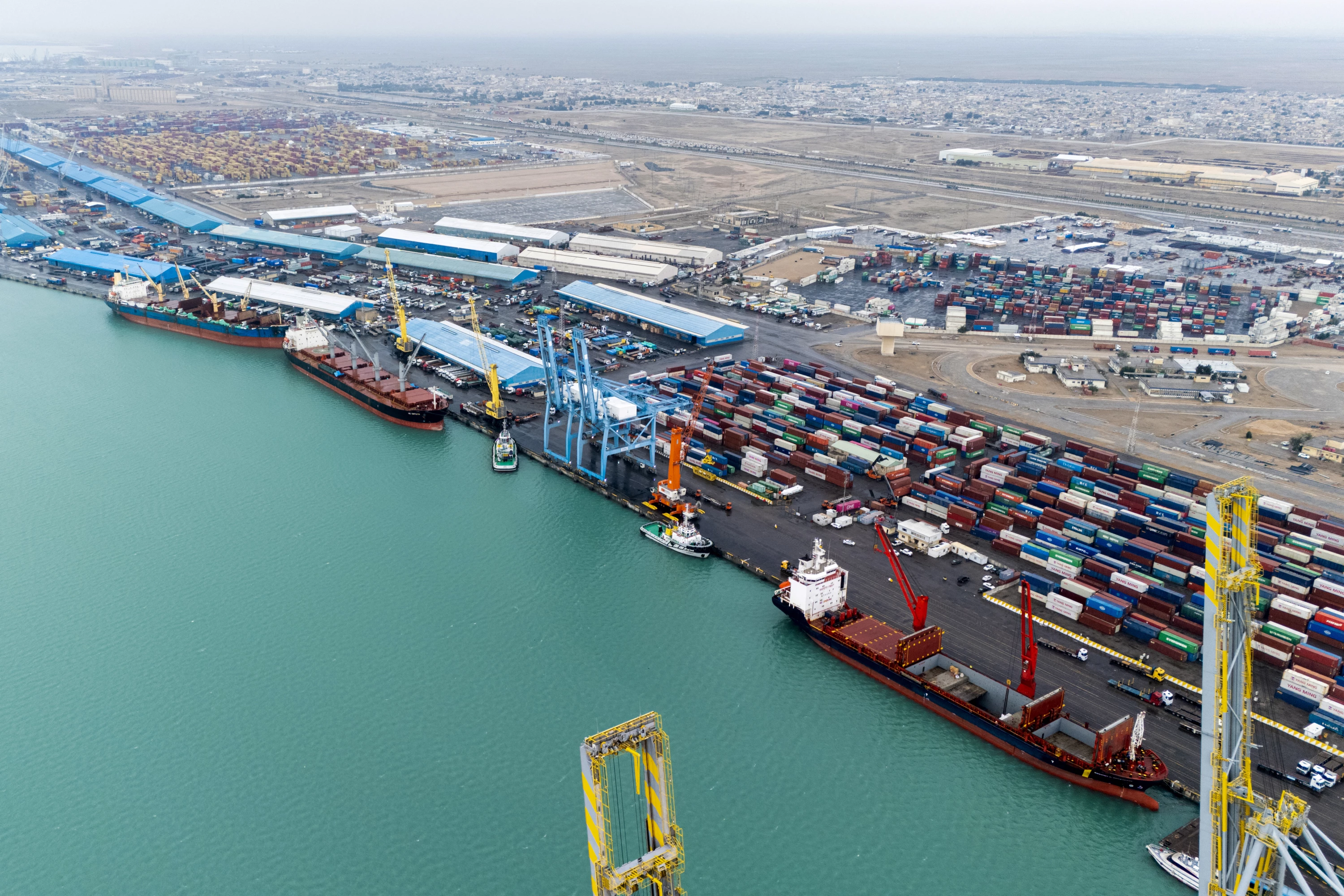
Iraq is among the countries most affected by the disruption in oil traffic, leading to a halt in exports from its southern oil fields, which produce the majority of the country’s crude.
Iraqi authorities have demanded that the Kurdistan Region transfer the stranded oil through the Iraq-Turkey pipeline, a proposal the Region said it accepted under certain conditions that Baghdad refused to meet.
The tensions follow a sharp escalation in the Middle East that, beyond economic disruption, has devastated civilian infrastructure across the region and caused thousands of casualties.
“The continuation of the war has become aimless,” and is “destabilizing the entire region,” Hussein said, noting that the scope of impact has surpassed the countries directly involved in the war.
He asserted that “focus today must be on finding mechanisms to end the war,” stressing the need for an immediate ceasefire.
 Facebook
 LinkedIn
 Telegram
 X
X