ERBIL, Kurdistan Region of Iraq – A senior commander of the Kurdistan Workers’ Party (PKK) criticized Turkey’s push to integrate Kurdish forces in northeast Syria into the Syrian state while using threats against Rojava, calling Ankara a “negative influence” and emphasizing that the agreement is an internal matter between the Kurds and the Syrian government.
The comments follow clashes between Syrian Democratic Forces (SDF) in northeast Syria and Damascus-affiliated forces, which resulted in casualties over failures to implement an integration agreement signed on March 10 between the two sides’ leaderships amid Ankara’s increasing pressure for the integration of Kurdish forces into the Syrian state.
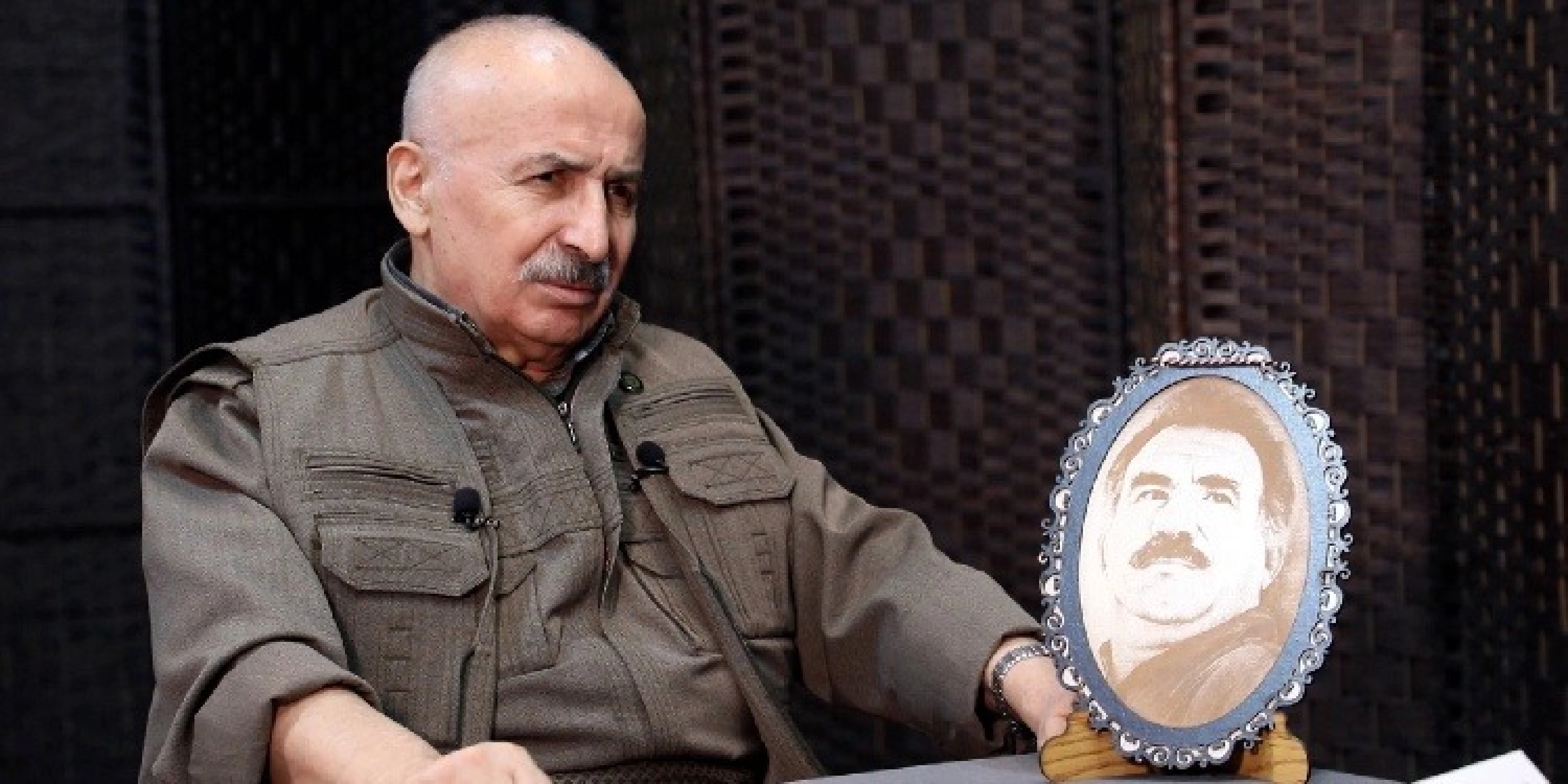
"However, there are differences in interpretation regarding the March 10 agreement. Damascus interprets it according to itself. The Turkish state also exerts a negative influence in terms of interpreting the March 10 agreement,” Mustafa Karasu, a member of the Kurdistan Communities Union’s (KCK) Executive Council, told PKK-affiliated Medya Haber during an interview aired on Thursday.
He emphasized that the agreement was made between SDF chief Mazloum Abdi and Syrian President Ahmed al-Sharaa through American mediation, adding that Ankara’s interpretations “obstruct” its implementation and noting that Rojava’s authorities said the “essence, content, and requirements must be implemented.”
The SDF leader on Thursday said that talks with Damascus have made “notable progress” with the Syrian government to integrate the Kurdish-led force into the Syrian security apparatus.
However, an official Syrian foreign ministry source on Friday bemoaned the lack of "tangible results" regarding the integration agreement, contradicting claims by the Kurdish-led force that the process was advancing.
Abdi's comments came less than a week after clashes erupted in the Aleppo neighborhoods of Sheikh Maqsoud and Ashrafiyeh, areas controlled by local forces linked to the Kurdish-led administration in northeast Syria, while Syrian government forces hold the surrounding entrances and exits.
The clashes followed Turkish Foreign Minister Hakan Fidan’s visit to Damascus on Monday, where he and his Syrian counterpart accused Kurdish authorities of stalling the March 10 agreement during a press conference.
Ahead of his visit, Fidan warned Kurdish forces of possible military action, stressing that Ankara is running out of patience as the March 10 agreement remains stalled.
“If Kurds want to have their autonomous administration, if they want to live there with their identity and culture, Turkey should accept this,” Karasu said, stressing that Ankara has “no right to constantly use a threatening approach against Kurds.”
He added that the Turkish state “should change its policy,” criticizing Ankara’s attempts to make peace in Lebanon and Gaza while trying to act “through pressure and threats” against Kurds in Syria, and he called the situation “Syria's internal problem” that should be resolved between Rojava and Damascus.
Baqi Hamza, a member of the Syrian Democratic Council’s foreign relations committee accused Turkey of playing a direct role in the recent violence. “I assume most of the attacks have been guided by Turkey. The Turkish involvement is very strong… to put pressure on the administration to make compromises,” he told The New Region.
Hamza said that while clashes have stopped, “the siege continues,” and criticized Damascus for failing to take concrete legal or political steps to implement the March 10 agreement beyond its military aspects.
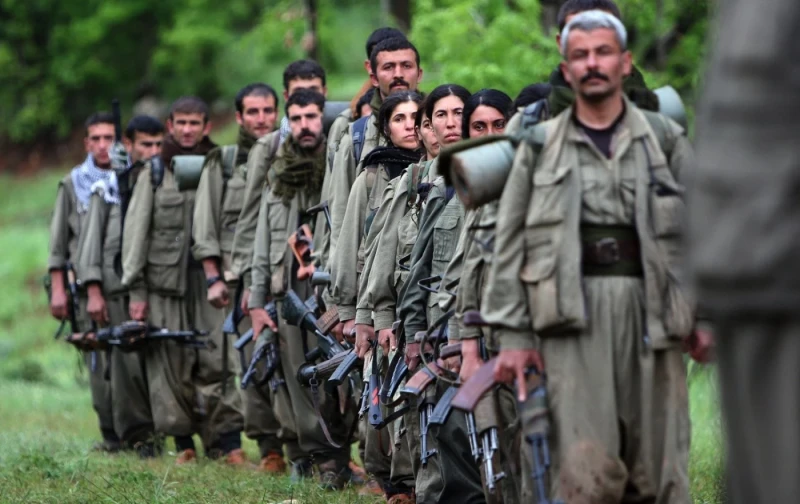
Turkey considers the People’s Protection Units (YPG), the backbone of the SDF, to be inextricably linked to the Kurdistan Workers' Party (PKK) and thereby sees the SDF as an extension of their now-disbanded domestic foe.
The PKK in May announced its decision to dissolve and disband upon jailed leader Abdullah Ocalan’s historic call, marking an end to their armed struggle against the Turkish state that spanned four decades and claimed tens of thousands of lives.
The US-backed SDF is the global coalition’s main ally on the ground in the fight against the Islamic State (ISIS) and is the de facto army in Rojava. Despite the SDF's intimate counterterrorism ties with the US military, Washington has strongly pushed for the integration of the March 10 agreement as relations with the new Syrian administration have warmed.
Kurds and other minorities in Syria have called for decentralized governance, a request Damascus has firmly rejected.
 Facebook
 LinkedIn
 Telegram
 X
X