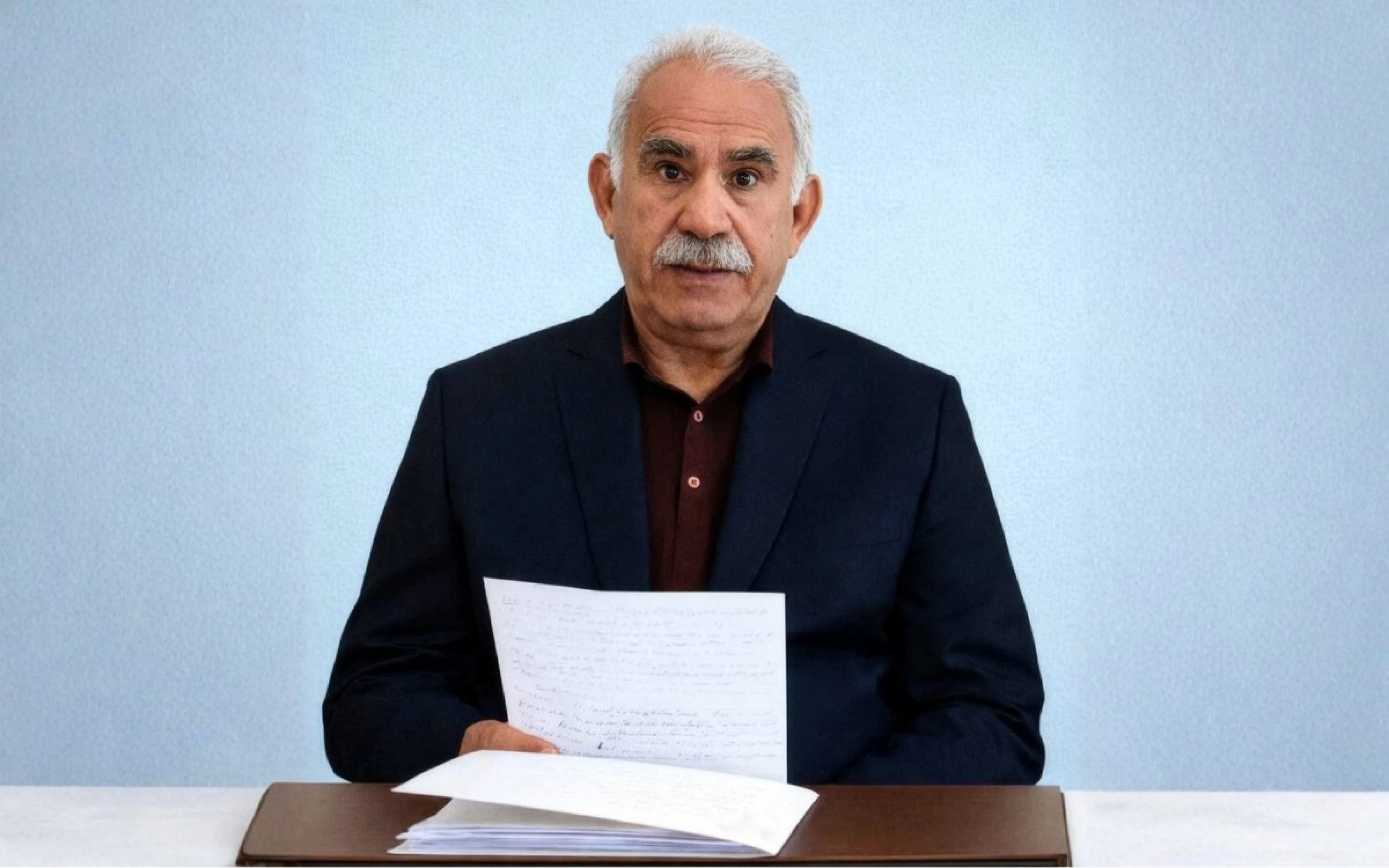
ERBIL, Kurdistan Region of Iraq – The jailed leader of the Kurdistan Workers' Party (PKK), Abdullah Ocalan, on Friday marked the one-year anniversary of his call for the group to disarm and commence a peace process with Turkey, stressing a shift from “violence” to “democratic politics.”
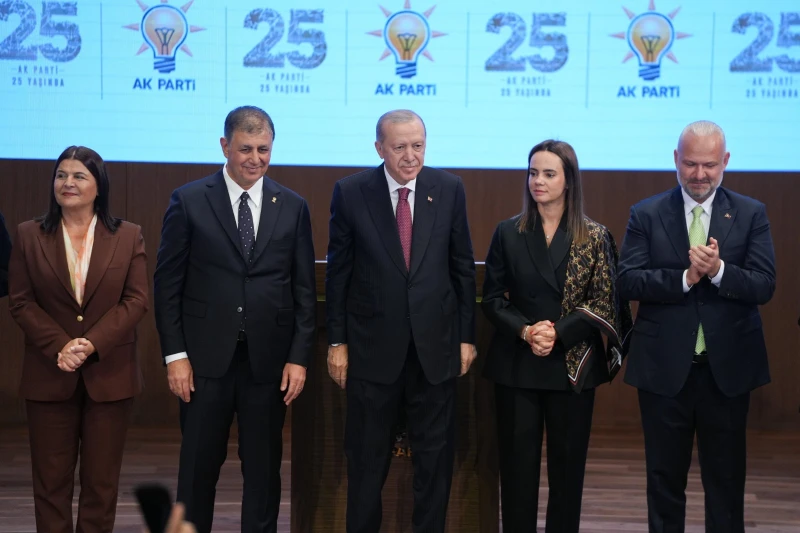
On Wednesday, Turkish President Recep Tayyip Erdogan announced that a new phase of Ankara-PKK talks will begin with the parliament’s continued “leading role” in the new phase.
The comments come as a Turkish parliamentary commission tasked with drafting a legal framework for the peace process announced earlier in February that it is preparing final reports for the next phase, which will soon be put before parliament for voting.
The jailed PKK leader ,in a historic address on February 27, 2025, called on the group’s fighters to disarm and end their armed struggle against the Turkish state. The call started a renewed peace process between Ankara and the PKK.
“Our call on February 27, 2025, is a declaration that where democratic politics is practiced, weapons become meaningless, and it is a clear preference for politics. It is a principle of integrity. We managed to fundamentally overcome the period of negative rebellion with a unilateral will and practice,” Ocalan said in a letter commemorating the anniversary.
The letter was read out on Friday at a conference in Ankara by Pervin Buldan, a member of parliament from the pro-Kurdish Peoples' Equality and Democracy Party (DEM Party) and a chief negotiator in the peace process.
“The decisions to dissolve the organization and end the armed struggle strategy have demonstrated not only a formal and actual purification from violence but also a mental preference for politics,” he added.
The process has proved “a transition from violence and divisive politics to democratic politics and integration,“ he said.
He also described the call as a “mental reconciliation” with the Turkish state, saying it demonstrated the group’s capacity and strength to negotiate and enabled “a transition from violence and divisive politics to democratic politics and integration.”
“There is no Turk without a Kurd, and no Kurd without a Turk. This relationship has a historical uniqueness born of devotion. The foundational texts of the Republic’s establishment process expressed the unity of Turks and Kurds.”
“We aimed to break the mechanism of feeding on blood and conflict,” Ocalan said. “The transition to democratic integration necessitates peace laws. The solution of a democratic society, meanwhile, envisions the establishment of an architecture and a legal framework across political, social, economic, and cultural dimensions.”
Both Ocalan and the DEM Party have urged Turkey to implement legislation that will solidify Kurdish rights in Turkey, which have long been disregarded and violated by Ankara, and enhance the democratic process in the country.
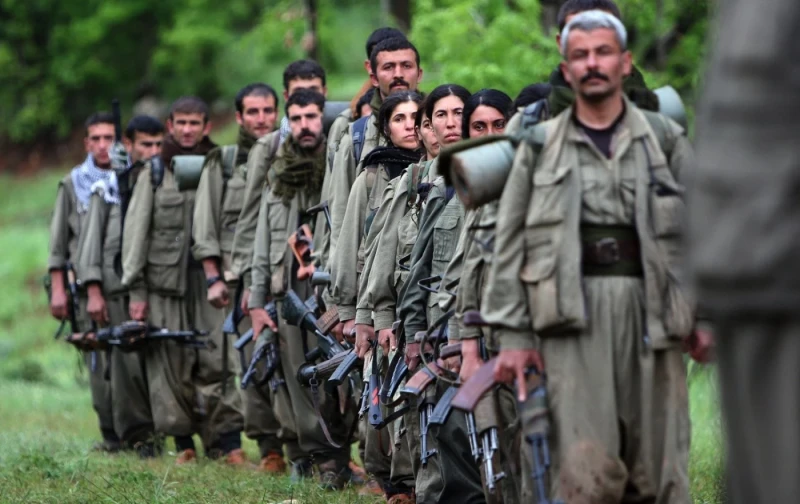
The PKK is an armed group that has fought for increased Kurdish rights in Turkey for decades. The group, designated as a terrorist organization by Ankara, used mountainous areas of the Kurdistan Region as shelter and engaged in direct armed conflict with Turkey.
In mid-February, Ocalan said that the Ankara-PKK peace process has entered its “second phase.”
 Facebook
 LinkedIn
 Telegram
 X
X