ERBIL, Kurdistan Region of Iraq – Iraq’s newly appointed water minister on Sunday stressed that his ministry will develop relations with upstream Turkey and Iran to secure water releases into Iraq, with Baghdad long having criticized Ankara and Tehran for inadequate releases.
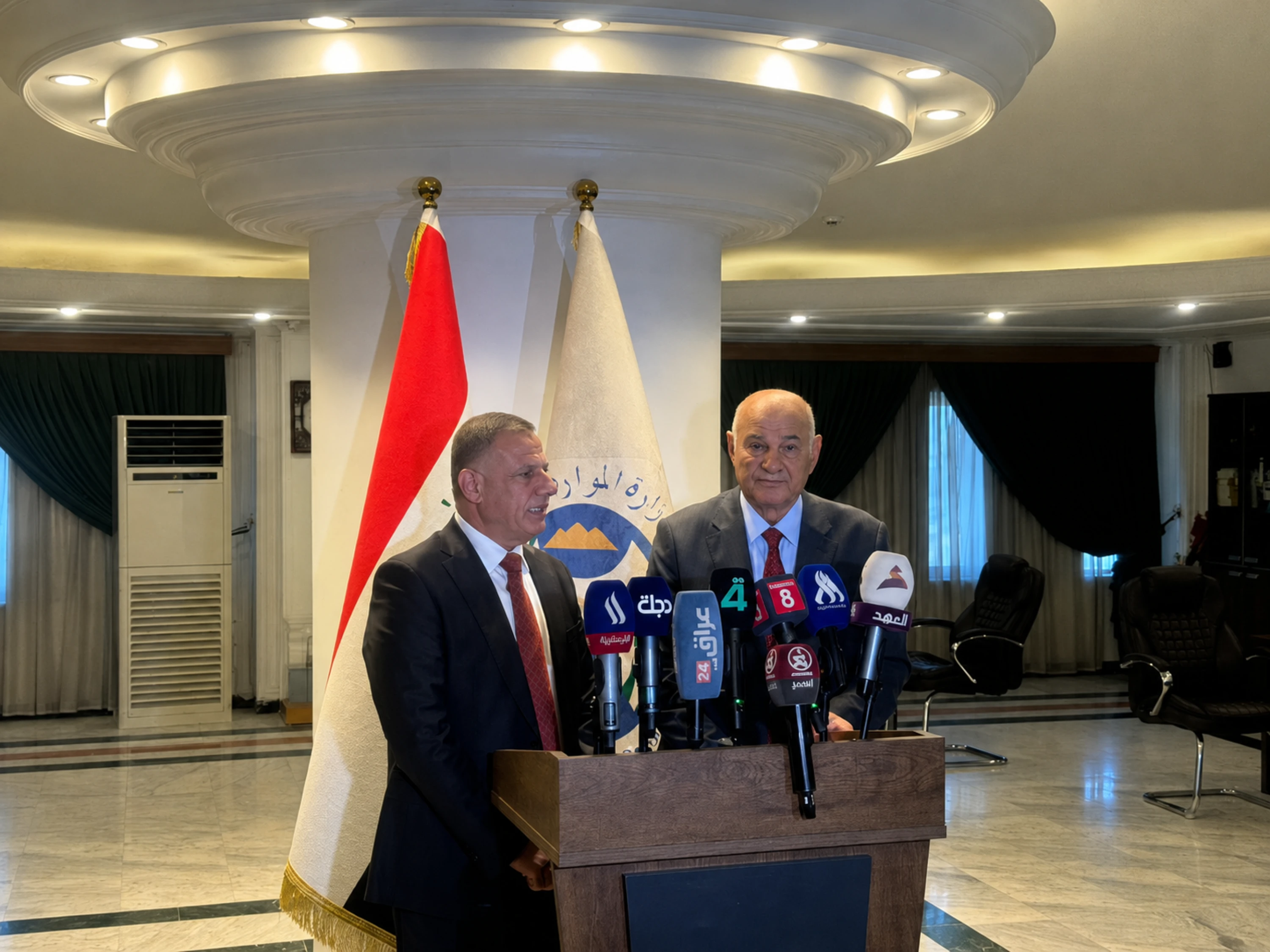
“The ministry will work to develop relations with the source countries, foremost among them Iran and Turkey,” Muthanna al-Tamimi said in a Baghdad presser alongside his predecessor Aoun Diab.
Iraqi authorities particularly blame upstream Turkey for withholding water releases, with around 90 percent of Iraq’s water sources originating from the neighboring country. Earlier this year, the environment ministry called for international pressure on Ankara to increase water flows.
While Turkey has constructed massive dams on the famed Tigris and Euphrates rivers, such as Ilisu and Ataturk dams, Iran has dammed and diverted tributaries that flow into Iraq, rerouting the rivers internally inside Iran.
Tamimi explained that his ministry will strengthen relations with the foreign ministry to establish “direct relations with the water authorities in these countries, with the aim of securing water quotas and developing programs that serve the ministry’s infrastructure.”
“The ministry’s upcoming programs will be promising and will contribute directly to serving the country,” he asserted.
Turkey has built about 20 dams over four decades, holding roughly 80 billion cubic meters of water, eight times the capacity of Iraq’s Mosul Dam.
In early November, Ankara and Baghdad signed a new memorandum of understanding (MoU) aimed at easing Iraq’s water crisis by focusing on desalination projects, water treatment, and the construction of dams to manage cross-border flows.
However, Iraq still faces stark water challenges despite the accord, seeking further assistance from its northern neighbor.
The United Nations has ranked Iraq among the world’s most climate-vulnerable countries, while authorities have warned that water reserves have fallen to dangerous levels, making conservation and careful management essential.
 Facebook
 LinkedIn
 Telegram
 X
X