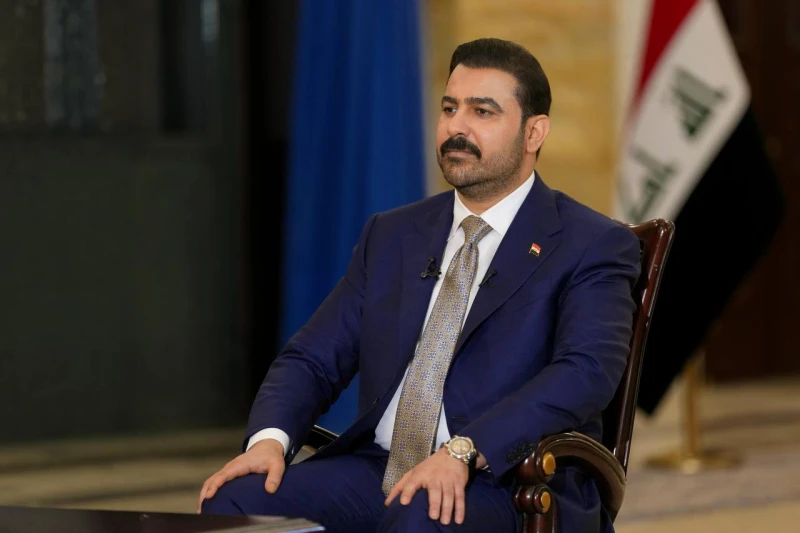
ERBIL, Kurdistan Region of Iraq - The spokesperson for the Iraqi government on Friday stressed that the most important point in the country’s new ministerial program presented by Prime Minister Ali al-Zaidi is strengthening national sovereignty by restricting weapons to the state.
Zaidi placed state control of weapons at the forefront of his government program earlier in May when he assumed the premiership.
“The monopoly of weapons by the state is at the forefront of the Prime Minister's government's ministerial program,” government spokesperson Haider al-Aboudi told state media.
“The importance of restricting weapons to the state is that they should not be controlled by political directives,” he stressed.
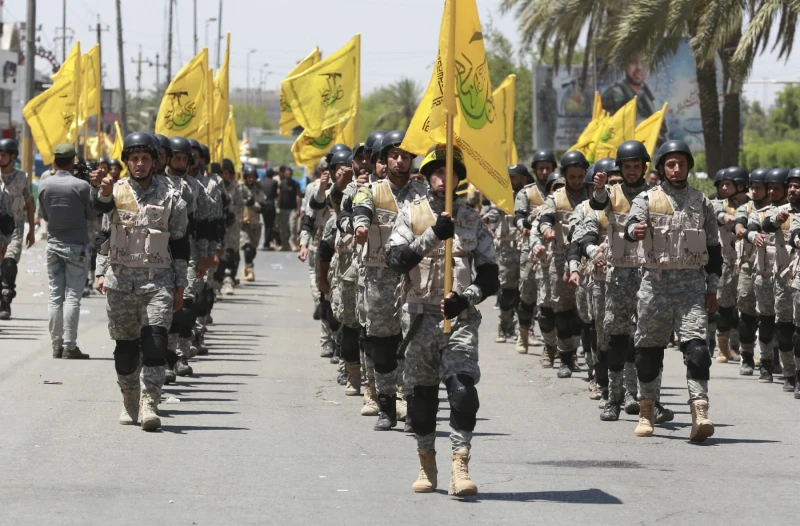
Numerous pro-Iran armed factions have acceded to Zaidi's efforts to restrict weapons to the Iraqi state, with some groups, including Asaib Ahl al-Haq (AAH) and Kataib al-Imam Ali, having also agreed to divorce themselves from the Popular Mobilization Forces (PMF).
Last week, influential Shiite cleric Muqtada al-Sadr announced the “complete separation” of his Saraya al-Salam armed faction from his Shiite National Movement and the group’s “complete integration into Iraq's state security forces.”
“Iraq is a fully sovereign country, and its supreme authority is not subject to internal wills or external dictates,” Aboudi said.
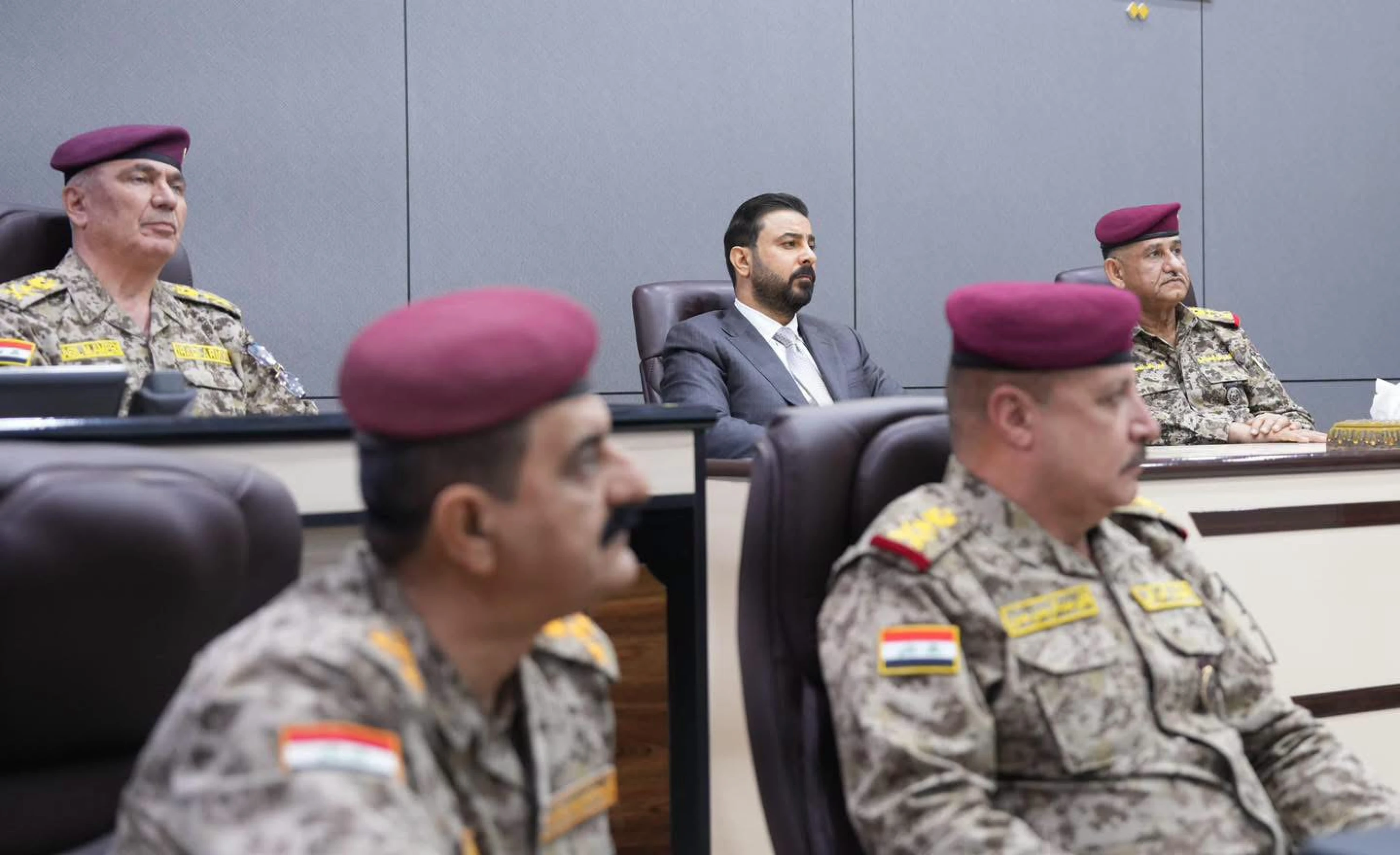
Iraq’s Joint Operations Command on Thursday announced the formation of a joint committee tasked with severing armed groups’ affiliations with the PMF.
However, several pro-Iran Iraqi armed factions, including Kataib Hezbollah, Ashab al-Kahf, Harakat al-Nujaba, and Saraya Awliya al-Dam, have rejected calls to hand over their weapons to the state, pushing back against the government-backed disarmament process.
Despite the PMF nominally being under the auspices of the Iraqi state, the US-Israeli war on Iran saw many pro-Iran PMF factions conducting unilateral strikes on US interests, as well as other targets such as hotels and infrastructure in the Kurdistan Region, in contravention of Baghdad's neutrality.
The spokesperson also stated that the US-led global anti-Islamic State (ISIS) coalition’s mission is expected to end in the coming September.
Initially, the US and Iraq announced in September 2024 that they had reached an agreement to wrap up the coalition’s military presence in the country by “no later than the end of September 2025,” while they were set to remain in the Kurdistan Region until September this year.
 Facebook
 LinkedIn
 Telegram
 X
X