
ERBIL, Kurdistan Region of Iraq - The Iraqi oil ministry on Tuesday said that it is not responsible for the movement of oil tankers once they leave the ports toward the Strait of Hormuz, claiming that the country’s oil sales have experienced a gradual improvement in recent months.
Iraq has been facing a worsening financial crisis since the start of the US-Israeli war with Iran, with the closure of the Strait of Hormuz massively cutting off Iraq’s main source of income: oil exports.
Salim al-Rikabi, spokesperson for the Iraqi oil ministry, told state media on Tuesday that the ministry “sells crude oil at the port, and then the buyer is responsible for transporting and handling the shipment.”
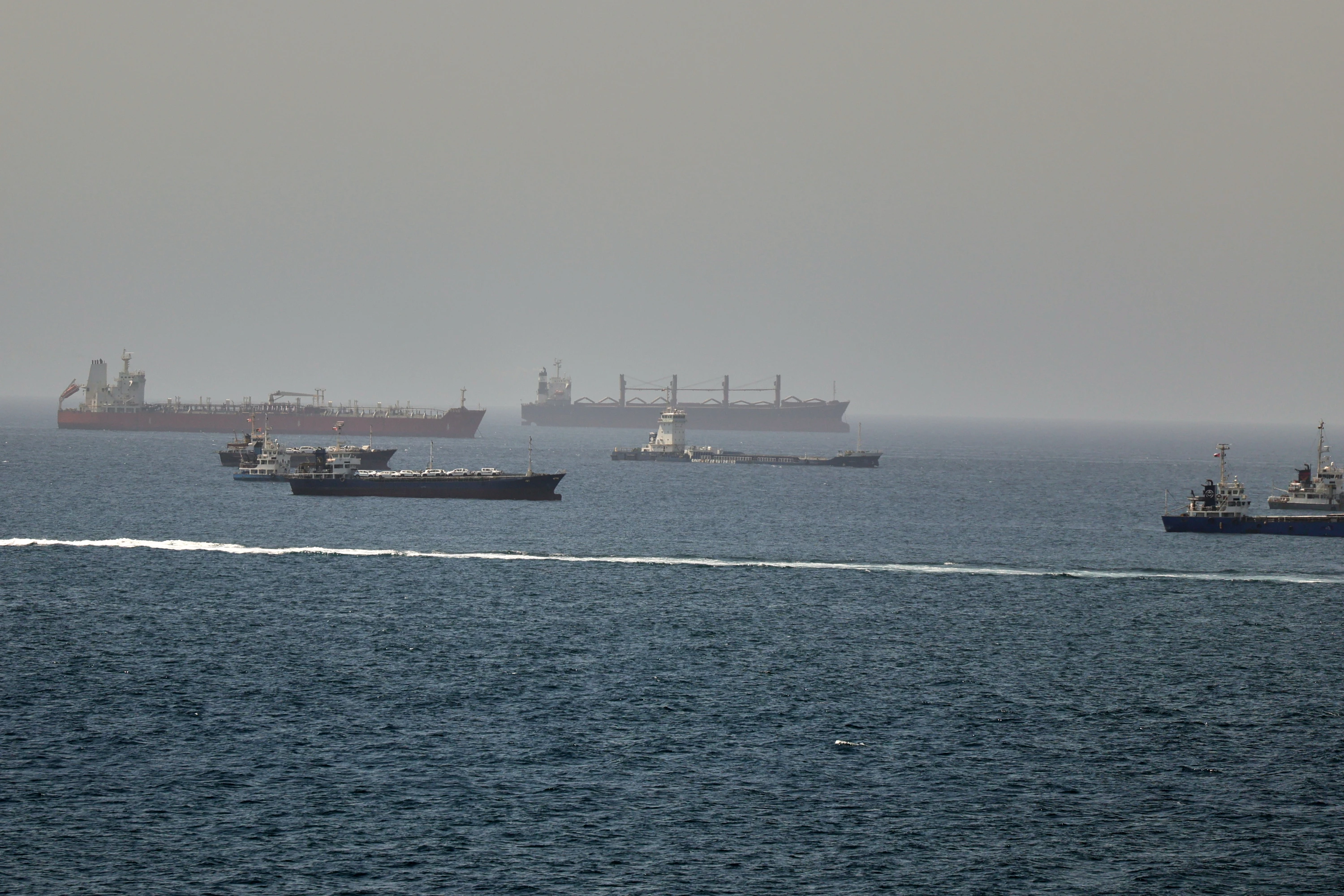
“The tankers, after leaving the port, pass through the Strait of Hormuz, and the ministry does not bear any responsibility for their routes or obtaining the necessary approvals,” Rikabi explained.
Iran’s Islamic Revolutionary Guard Corps (IRGC) has repeatedly stated that ships attempting to cross the Strait of Hormuz must do so by obtaining approval and taking the routes authorized by the IRGC, otherwise risk being targeted.
The spokesperson said that the oil ministry is not the owner of the tankers, and therefore has nothing to do with their movement after they depart the port.
“The performance of oil sales has gradually improved in recent months,” Rikabi claimed, noting that “last month was better than the previous one, which was better than the previous month, reflecting a continuous improvement compared to the period following the export crisis through the Strait of Hormuz.”
Iraq pocketed $2.3 billion from oil exports for the months of May and June combined. The country needs over $5.3 billion for monthly salaries alone.
On Monday, Iraqi Oil Minister Basim Mohammed Khudair said that, during Prime Minister Ali al-Zaidi’s recent Tehran trip, Iraqi officials “held talks with the Iranian side to discuss the smooth flow of oil tankers through the Strait of Hormuz,” adding that there is hope of “reaching significant understandings in the coming days that will contribute to the protection and ease of passage of shipments.”
Iraq’s oil revenues for March, April, May, and June combined reached around $5.4 billion, while its revenues for February alone, the shortest month of the year, were over $6.8 billion.
The continuation of the war has sparked fears that the current measures the Iraqi government has implemented to make up for the decreased income cannot be seen as viable long-term solutions and that Baghdad will face difficulties paying civil servant salaries over the next few months.
 Facebook
 LinkedIn
 Telegram
 X
X