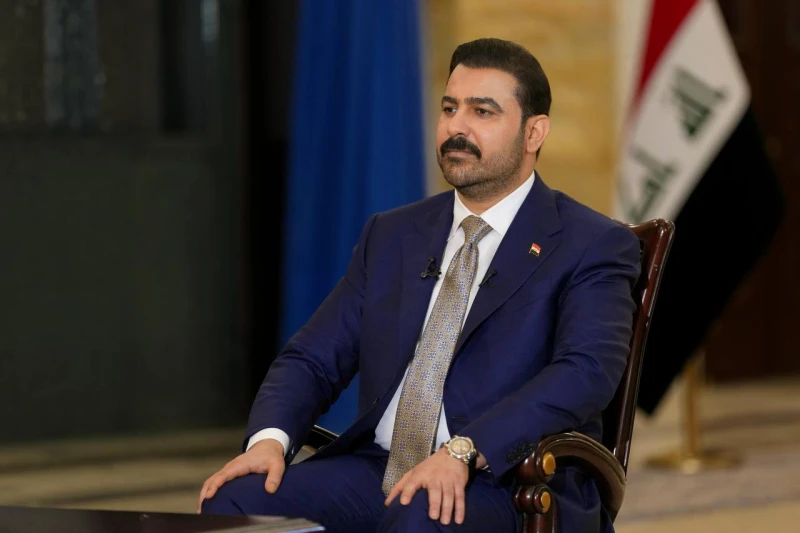
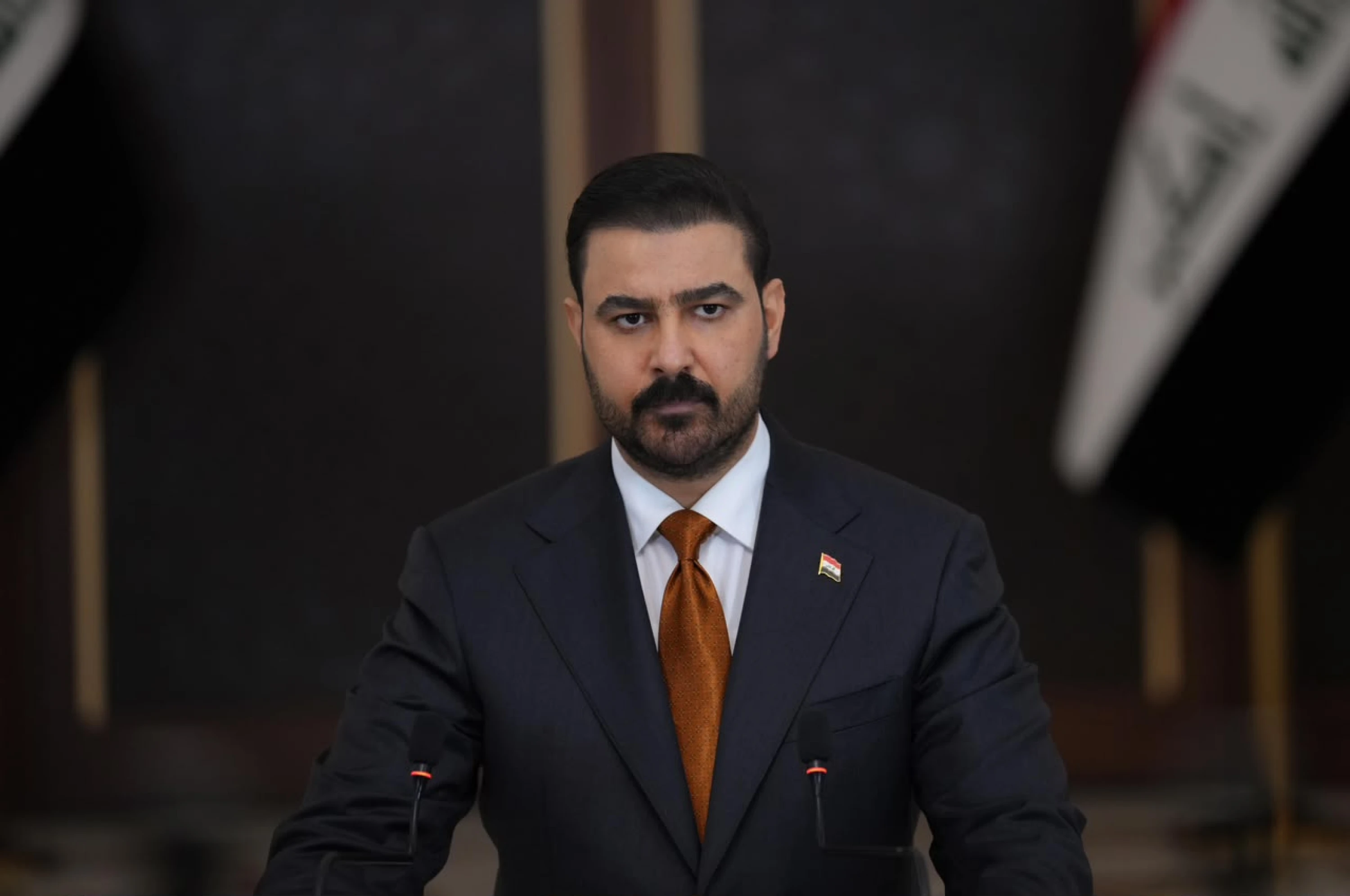
ERBIL, Kurdistan Region of Iraq – Iraqi Prime Minister and Commander-in-Chief Ali al-Zaidi on Saturday said that all weapons are “subject” to his command after the US-led coalition’s withdrawal, adding that political instability has cost the country many development opportunities.
“Today, Iraq is a state that makes its own decisions, protects its land and airspace, and where all weapons are subject to the Commander-in-Chief of the Armed Forces,” Zaidi said in an address to the nation on the occasion of Iraq’s National Day.
On Wednesday, the US-led coalition completed its withdrawal from Iraq and the Kurdistan Region. The withdrawal was a key demand of several political forces and many Iran-backed Iraqi militias, with the armed groups saying the coalition had to leave before they could consider disarming.
“On September 30, 2026, the Iraqi state completed its sovereignty with the conclusion of the military mission of the International Coalition,” Zaidi said.
Baghdad has led a renewed drive to disarm militias and restrict weapons to state control under Zaidi’s cabinet.
Zaidi’s government had initially set September 30 as the deadline for armed groups to hand over their weapons, coinciding with the coalition’s withdrawal, but later shifted to a phased process extending into 2027 after several groups rejected the deadline.
Multiple pro-Iran factions rejected the notion of handing arms to the state, leading Baghdad to seek other mechanisms to regulate the factions’ weapons in a manner that would be acceptable to the groups.
Earlier in the day, US Secretary of State Marco Rubio congratulated the Iraqi people in a statement, saying that Washington welcomes “Iraq’s efforts to strengthen its sovereignty and contribute to security and stability across the region.”
Zaidi said Baghdad has made efforts to protect its security, sovereignty, and decision-making during the “conflict in the region.”
Iraq has been targeted by both the US and Iran since the start of their conflict in late February, with Tahran targeting US interests and the US, Israel, and Saudi Arabia targeting Iran-aligned militias, despite the country trying to stay out of the war.
The US-Iran war and the subsequent closure of the Strait of Hormuz have also taken a significant toll on Iraq’s oil exports and economy, as the country ships the majority of its crude through the strategic waterway.
“Despite the difficult challenges, Iraq continues to pursue a balanced foreign policy that considers the supreme national interest and builds its relations based on mutual interests and mutual respect,” Zaidi said.
Since taking office, the premier has made official visits to Washington, Tehran, Paris, and Berlin where he met with senior officials and signed a myriad of deals as the country tries to diversify the economy.
 Facebook
 LinkedIn
 Telegram
 X
X