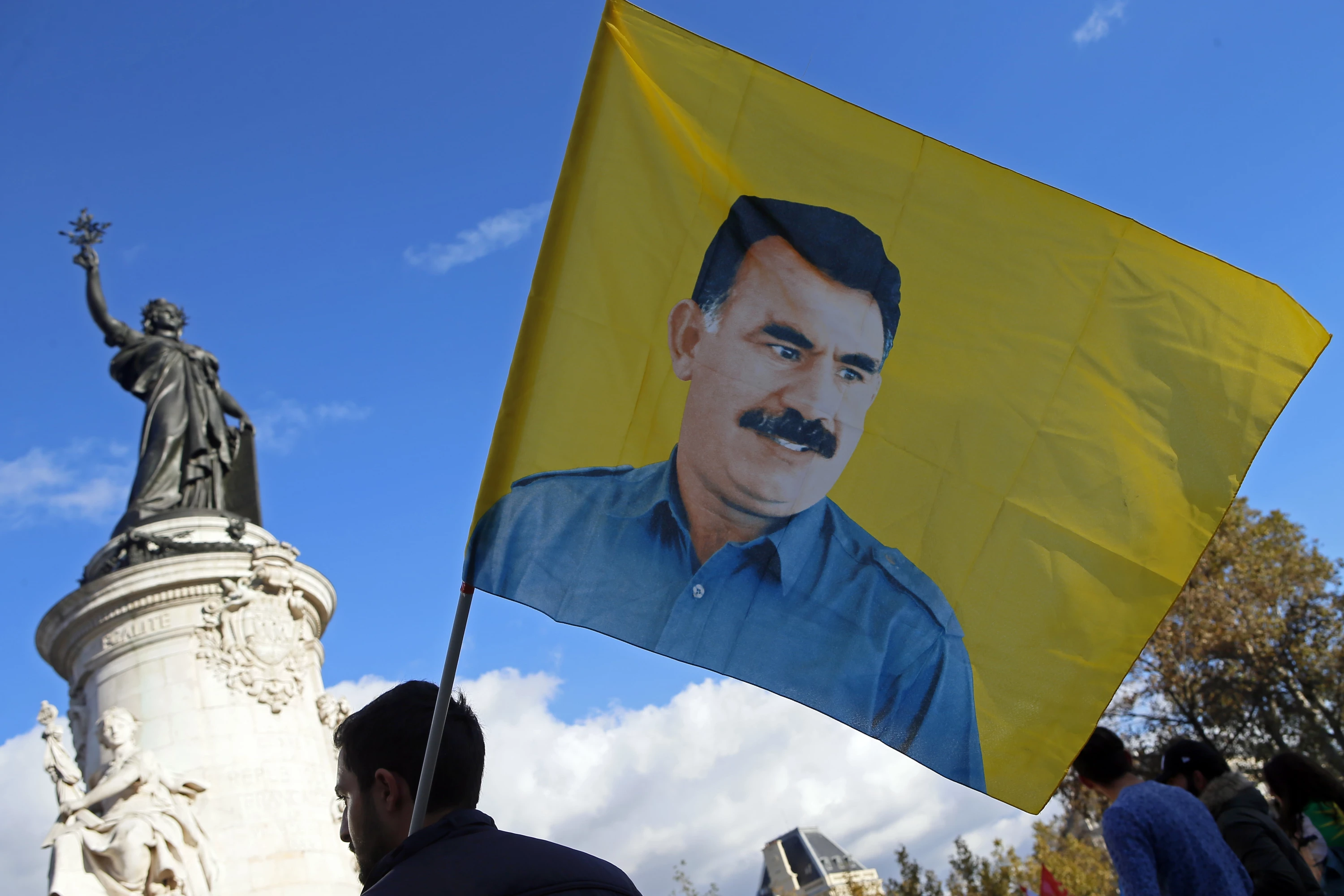
ERBIL, Kurdistan Region of Iraq - Abdullah Ocalan, the jailed leader of the Kurdistan Workers’ Party (PKK), on Tuesday urged Turkey to assume a constructive and dialogue-oriented role in implementing the agreement to integrate Kurdish forces into the Syrian army.
“It is vital that Turkey assumes a facilitating, constructive and dialogue-oriented role in this process. This is critically important both for regional peace and for strengthening its own internal peace,” the PKK leader said in a message released on Tuesday.
On March 10, the Kurdish-led Syrian Democratic Forces (SDF) chief Mazloum Abdi and Syria’s President Ahmed al-Sharaa signed an agreement to integrate the Kurdish-led forces and institutions in northeast Syria (Rojava) into the Syrian state.
The implementation of the agreement has been stalled due to the Kurdish side demanding a democratic integration while Damascus maintains its centralized stance, with frequent clashes between both sides further escalating tensions.
Ocalan asserted that the “fundamental demand” of the March 10 agreement between the SDF and Syria is “a democratic political model in which people can govern themselves together,” adding that “the chaotic situation in Syria is also a clear reflection of the need for democratization.”
In a meeting with the Turkish parliamentary commission overseeing the peace process in Turkey earlier in December, Ocalan expressed concern that a potential fall of democracy in Syria would prevent the integration of the SDF into the Syrian state, according to a pro-Kurdish lawmaker.
The PKK leader had argued that if a democratic transition does not take place in Syria “Sharaa will also turn into a dictator and bring pain to Syrians again,” said Gulistan Kocyigit, a lawmaker for the pro-Kurdish Peoples' Equality and Democracy Party (DEM Party).
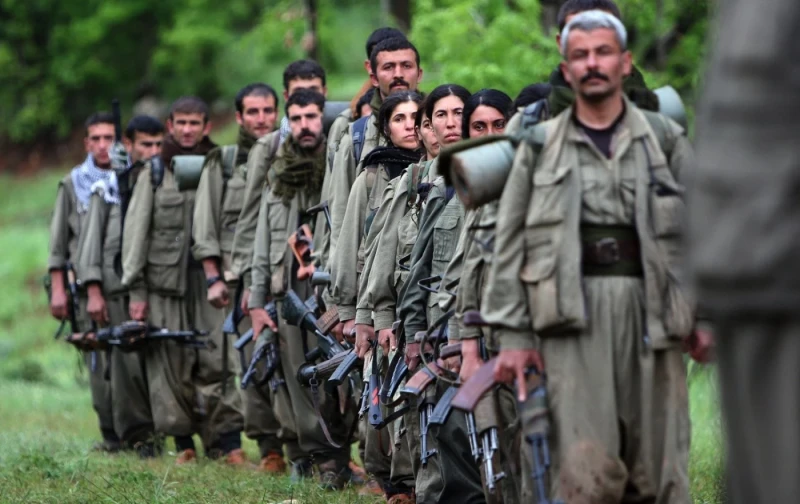
Turkish authorities have intensified calls on the Kurdish forces to integrate into the Syrian army, as Ankara views the SDF as an extension of its now-dissolved domestic foe, the PKK, and thus a threat to its national security. Turkey has also on several occasions made direct and indirect threats to the SDF for allegedly stalling the process.
Meanwhile, Kurdish authorities in Rojava have routinely denied claims of posing a threat to Turkey, and have shown willingness to enter into dialogue with Ankara to resolve their disputes.
Days earlier, Mustafa Karasu, a senior commander of the PKK, criticized Turkey’s push to integrate Kurdish forces into the Syrian state while using threats against Rojava, calling Ankara a “negative influence” and emphasizing that the agreement is an internal matter between the Kurds and the Syrian government.
While the March 10 agreement was supposed to be completed by the end of 2025, the Rojava administration’s communications office has said that this does not indicate a fixed deadline but sets a timeline “to encourage progress.”
The administration’s clarification came after Turkish Foreign Minister Hakan Fidan warned that Ankara is running out of patience with the Kurdish-led forces.
 Facebook
 LinkedIn
 Telegram
 X
X