ERBIL, Kurdistan Region of Iraq – Tehran on Tuesday called on the UN Security Council to condemn US President Donald Trump’s remarks on supporting Israeli strikes on Iran if it continues developing its missile and nuclear programs.
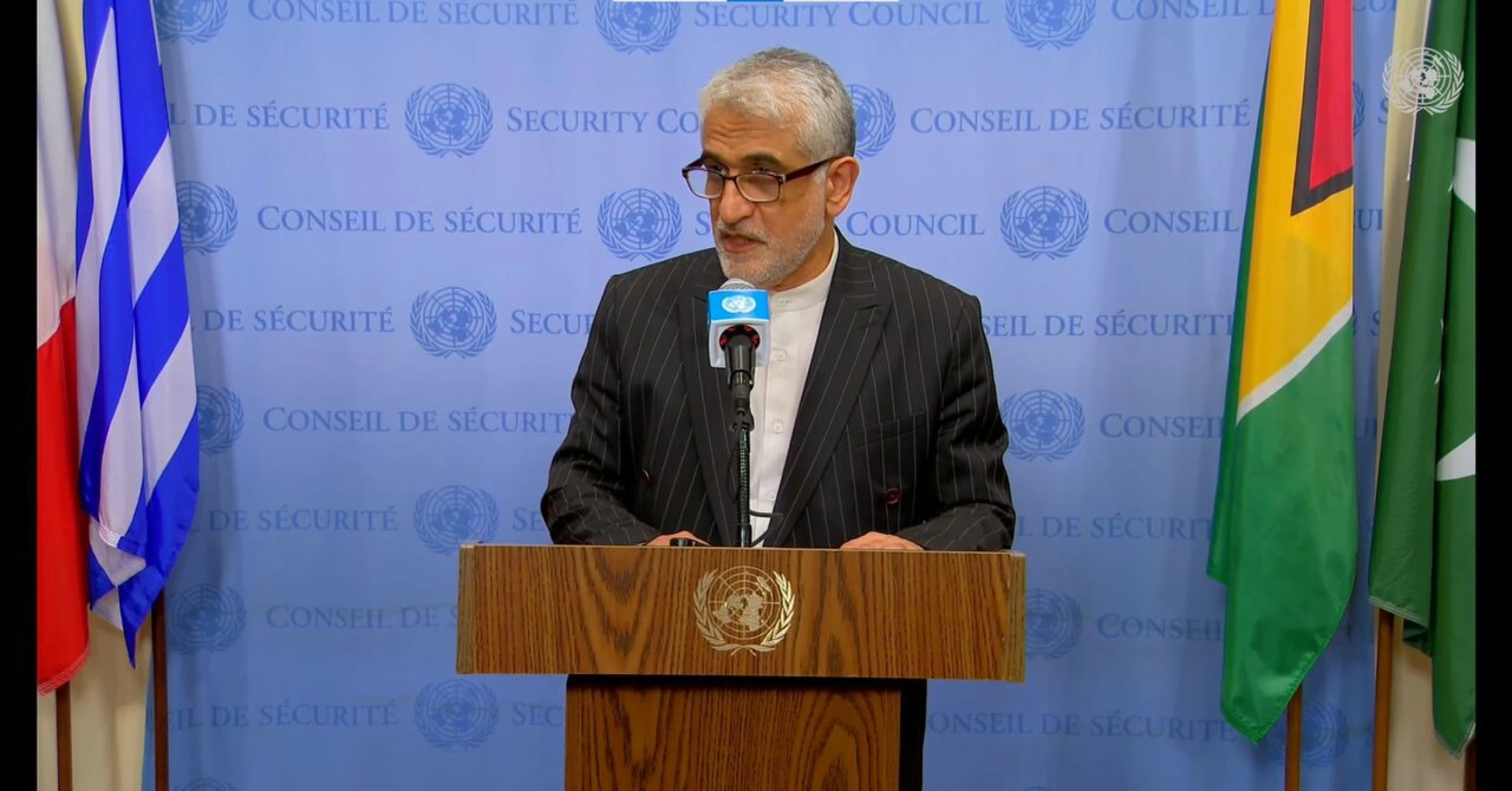
“These provocative and escalating statements, which include threats of force against the Islamic Republic of Iran, constitute a clear and flagrant violation of the Charter of the United Nations,” Iran’s representative to the UN Amir Saeid Iravani said, as cited by the state IRNA news agency.
Trump’s remarks came as he received Israeli Prime Minister Benjamin Netanyahu at his residence in Florida. When asked whether the US would support possible Israeli attacks on Iran if the latter continues expanding its missile and nuclear programs, Trump said, “if they will continue with the missiles, yes. The nuclear, fast. One [missiles] will be yes, absolutely. The other [nuclear] was, we will do it immediately.”
Many reports emerged following the Israeli prime minister’s visit to the US, suggesting the trip aimed to brief Trump on possible new attacks on Iran after the June war, as Israel claims to be concerned over Tehran’s expanding missile and nuclear program.
In June, Israel killed top brass Iranian military commanders and nuclear scientists with airstrikes, prompting retaliatory attacks by Tehran, with the two trading salvos of missiles and drones for 12 days. The US also bombed the key Natanz and Fordow nuclear sites in the country near the end of the conflict.
Iravani urged the council to “firmly” condemn the remarks, call on the US to comply with its obligations under international law and “act decisively and without double standards” to prevent further escalations.
Earlier in December, Iran’s judiciary announced that it is leveling complaints against American and Israeli leaders “in a second country” following documentation of damages from the 12-day war with Israel, aiming to subject them to international judicial prosecution with the assistance of international lawyers.
Iranian authorities have previously stressed that negotiations with Washington could be possible if the US changes its approach and the discussions are held on the basis of mutual respect and equality.
During his first term, Trump unilaterally withdrew from the 2015 nuclear deal that alleviated economic sanctions on Tehran in return for curbing its nuclear program. He signed a memorandum in February to restore his maximum pressure policy on Iran, introducing a series of new economic measures during his second term as president.
The two sides engaged in five rounds of indirect talks to restore the deal, but the process stopped due to the war in June, with the deal ultimately collapsing.
The US demands Iran halt its nuclear and missile programs. Tehran routinely refuses the prospect of negotiating its missile system, while showing openness to engage in dialogue over its nuclear program, but refusing to comply with zero enrichment.
 Facebook
 LinkedIn
 Telegram
 X
X