ERBIL, Kurdistan Region of Iraq - Iraq’s foreign ministry said Friday that it is closely following political and security developments in Yemen amid recent Saudi strikes on UAE-backed separatists, reaffirming Baghdad’s support for the country’s security and stability.
In a statement, the Ministry of Foreign Affairs said that Iraq’s position aligns with the aspirations of the Yemeni people "to live in peace."
"Regional and international efforts will contribute to supporting the path to stability in Yemen, thereby enhancing the prospects for de-escalation and creating the appropriate conditions for reaching sustainable solution," the statement continued.
It also praised initiatives aimed at consolidating peace, stressing the need to protect the interests of the Yemeni people and support efforts that promote stability and development.
Yemen recently entered a new phase of tension after the Southern Transitional Council (STC), a UAE-backed group seeking to secede from Yemen and create the "State of South Arabia," expanded its military presence in the southern governorates of Hadramout and Al-Mahra.
The developments included tightened security measures, widespread checkpoints, and the takeover of key oil sites and infrastructure, adding an economic dimension to the escalation.
The Saudi-led coalition that supports the Yemeni government responded with airstrikes on alleged Emirati weapons shipments to the rebels, bringing the Gulf states' proxy rivalry into the kinetic domain, with Riyadh asserting that "any threat to its national security is a red line, and the Kingdom will not hesistate to take all necessary steps and measures to confront and neutralize any such threat."
The UAE later said it had ended the remaining presence of its counterterrorism units in Yemen, underscoring growing friction within the anti-Houthi camp and complicating efforts toward a political settlement.
The moves have deepened divisions in southern Yemen between supporters of separation or self-determination and those warning that unilateral military control could worsen instability and governance problems.
In response to the rapidly changing situation, Yemen’s authorities declared a nationwide state of emergency for 90 days and imposed a temporary air, land, and sea closure on ports and crossings.
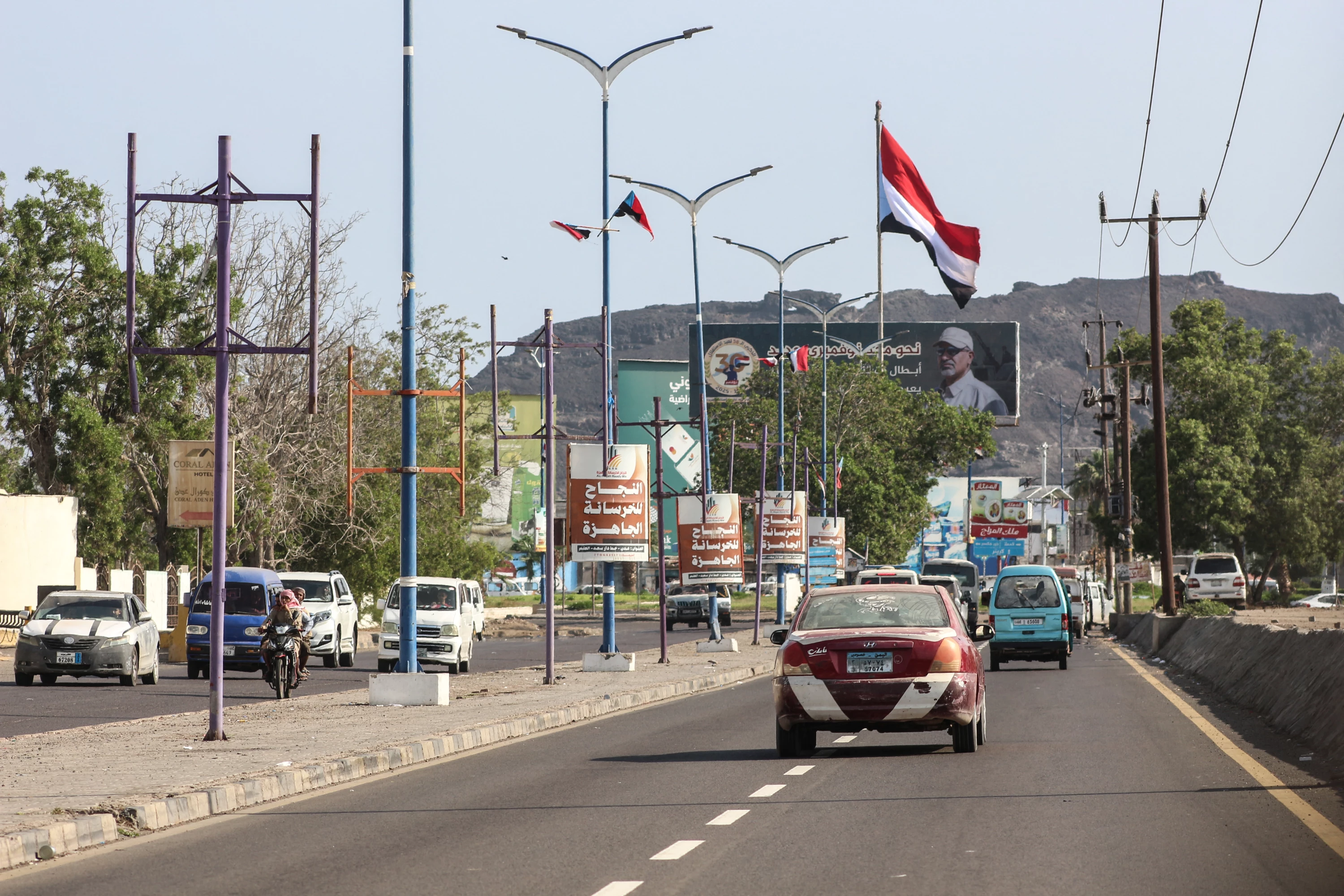
The measures reflected growing concern that the escalation could undermine national cohesion and further strain an already fragile security and economic environment, as protests and political polarization intensified across southern cities.
 Facebook
 LinkedIn
 Telegram
 X
X