ERBIL, Kurdistan Region of Iraq – Amid rising tensions with the United States and escalating threats, the head of Iran’s army warned on Wednesday that provocations would not be “left unanswered,” as the country faces two weeks of nationwide protests and intensifying crackdowns.
Tensions between Iran, the US, and its ally Israel have intensified in recent weeks, with Washington warning Iran of potential attacks if it continues cracking down on protesters or expands its nuclear and missile programs, and Tehran responding with threats of retaliation.
Iran has faced weeks of nationwide protests, with tens reported dead and more than a thousand arrested.
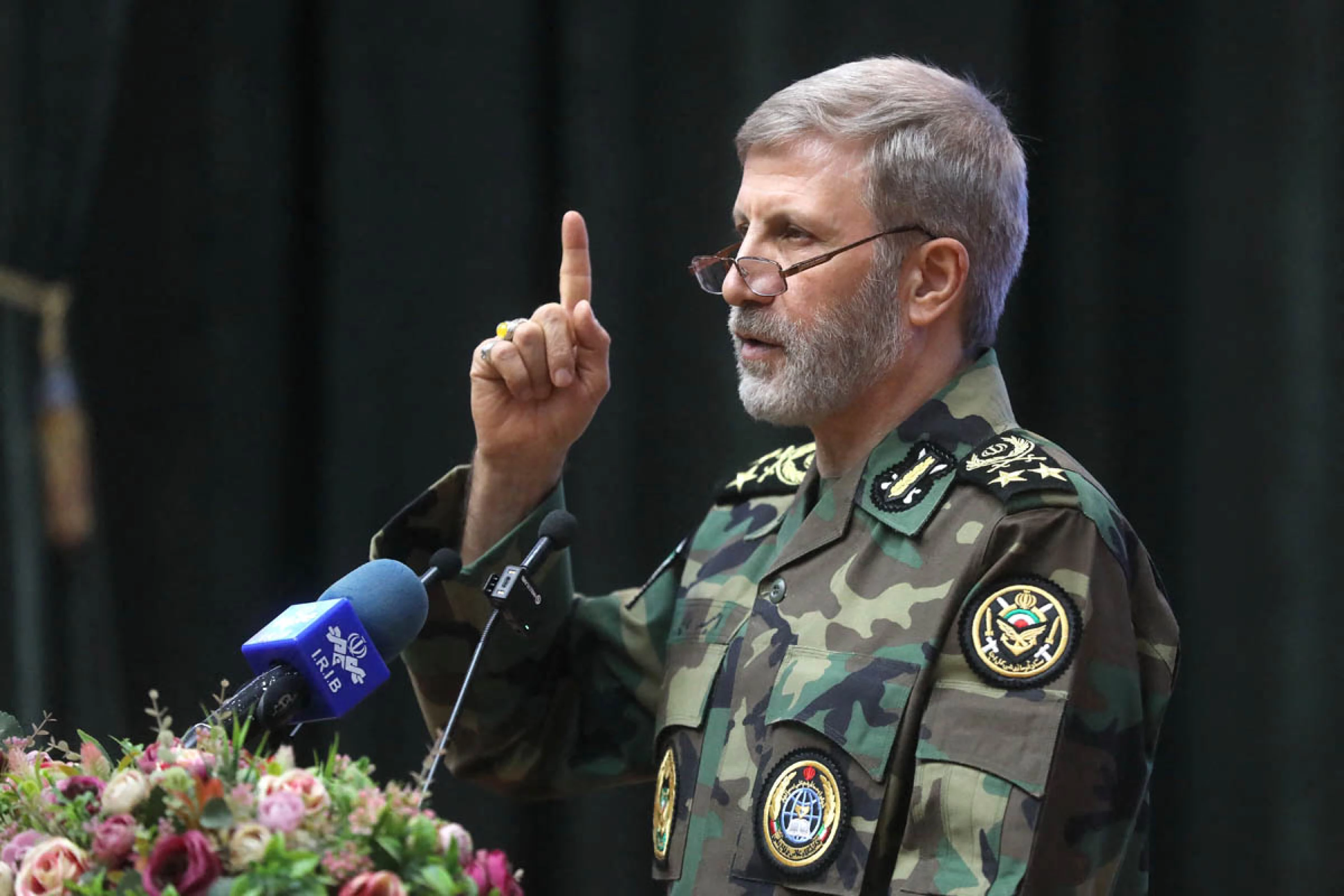
Iranian Army Commander-in-Chief Amir Hatami on Wednesday, responding to recent threats from the US and Israel, said the Islamic Republic views “the intensification of the enemies’ rhetoric against the Iranian nation” as a threat and will not leave it “unanswered,” according to state-owned IRNA news agency.
Hatami said the country’s military readiness is “far greater” than during the June war, adding that, “if the enemy makes a mistake, we will deliver a more decisive response and cut off the hand of any aggressor.”
In June, Israel killed top brass Iranian military commanders and nuclear scientists with airstrikes, prompting retaliatory attacks by Tehran, with the two trading salvos of missiles and drones for 12 days. The US also bombed the key Natanz and Fordow nuclear sites in the country near the end of the conflict.
He described the latest US and Israeli actions as an attempt to “form a new world order,” which he said has created a global security challenge.
Regarding the latest nationwide protests, Hatami described them as “a normal and natural issue” and accused foreign enemies of attempting to turn them into “riots.”
He added that “the people refused to side with the rioters, separated their ranks, and did not fall into the frame intended by the US President and the Prime Minister of the infamous Zionist regime.”
US President Donald Trump on Friday warned Iran for the second time following days of nationwide protests and deadly clashes between security forces and demonstrators, saying Washington is ready to come to their “rescue” should Tehran's security forces kill protesters.
The comments were widely condemned by senior Iranian politicians and officials, many warning of possible retaliation.
Although Iranian Foreign Minister Abbas Araghchi on Wednesday told reporters that Iran has “always been ready for negotiations,” though adding that “now is not the right time for negotiations, and this is because of American policies.”
US Senator Lindsey Graham on Wednesday warned Iran’s Supreme Leader Ayatollah Ali Khamenei, saying in a Fox News interview, “To the ayatollah and his thugs, if you keep killing your people in defiance of President Trump, you’re gonna wake up dead. Iran is on the verge of falling.”
Iran’s Supreme Leader Ayatollah Ali Khamenei on Saturday labeled the majority of demonstrators as “rioters,” saying they “must be put in their place,” while claiming to justify economic hardship, as clashes intensified and chants increasingly targeted the state and the supreme leader.
Nationwide protests in Iran have entered their second week, beginning on December 27 at Tehran’s Grand Bazaar, where business owners and shopkeepers launched strikes and protests over the falling value of the Iranian rial against the US dollar. The unrest later spread to other provinces, with chants increasingly targeting the state.
So far, it has left at least 29 people dead and more than 1,000 arrested, according to human rights monitors.
The country’s Chief of Police, Ahmadreza Radan, and Chief Justice Gholamhossein Mohseni Ejei warned protesters that “The police have a duty to ensure the security of legal protesters, but they will deal decisively with rioters and networks affiliated with spy services, down to the last person.”
The Islamic republic has a long history of labeling protesters as “rioters” and alleging ties to the US and Israel, responding with heavy crackdowns, arrests, and, in some cases, charges that carry the death penalty.
Ejei added that “special branches with experienced judges have been established to quickly, accurately, and comprehensively handle the cases of rioters.”
Recalling the June war, Ejei said the enemy “did not achieve its sinister goals and desires in the 12-day war” and is now trying to create internal insecurity in the country.
Iran’s judiciary previously warned demonstrators and ordered legal action against those accused of disrupting the market and public security, warning that they could face charges often punishable by death under the Islamic republic’s judicial system.
Charges include “corruption on Earth” (efsad-e fel-arz), “enmity against God” (moharebeh), and “armed rebellion against the state” (baghi).
 Facebook
 LinkedIn
 Telegram
 X
X