ERBIL, Kurdistan Region – Much of Iran’s Kurdish-majority western regions (Rojhelat) went on a general strike on Thursday after seven main Kurdish opposition groups jointly called for action, as the Islamic republic heavily cracked down on protesters with nationwide demonstrations entering their twelfth day.
Seven main Kurdish opposition groups on Wednesday jointly called for a general strike in solidarity with victims of a deadly government crackdown that left dozens dead, particularly in Ilam, Kermanshah, and Lorestan provinces in the past two weeks of protests.
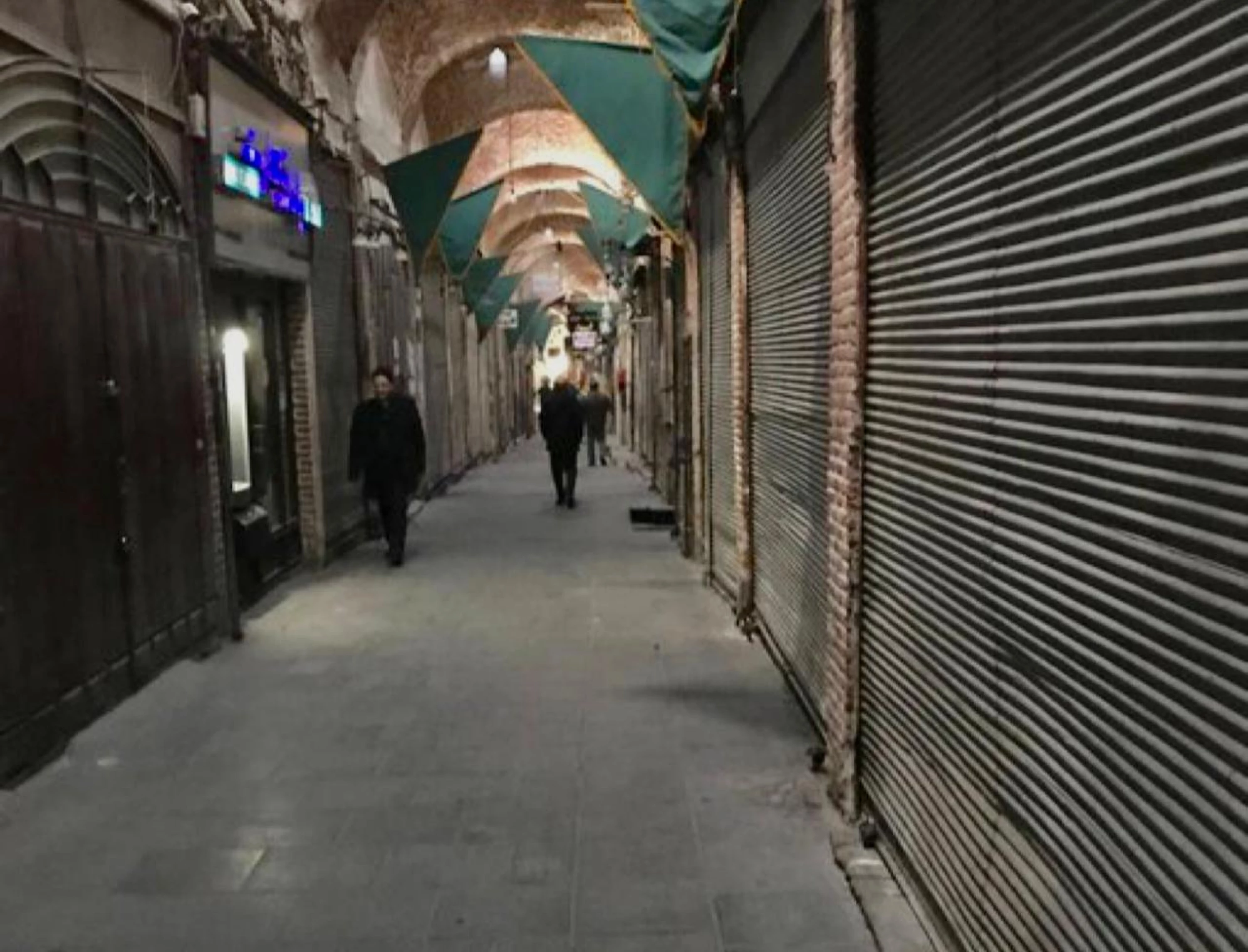
Footage seen by The New Region showed many cities in Kermanshah, Ilam, Kurdistan, and West Azerbaijan provinces striking, with shops closed and cities empty.
Footage seen by The New Region showed a general strike across much of Iran’s Kurdish-inhabited western regions (Rojhelat), including cities in Kermanshah, Kurdistan, and West Azerbaijan, after Kurdish opposition groups jointly called for a strike and amid nationwide protests pic.twitter.com/jFIKyBYPR0
— The New Region (@thenewregion) January 8, 2026
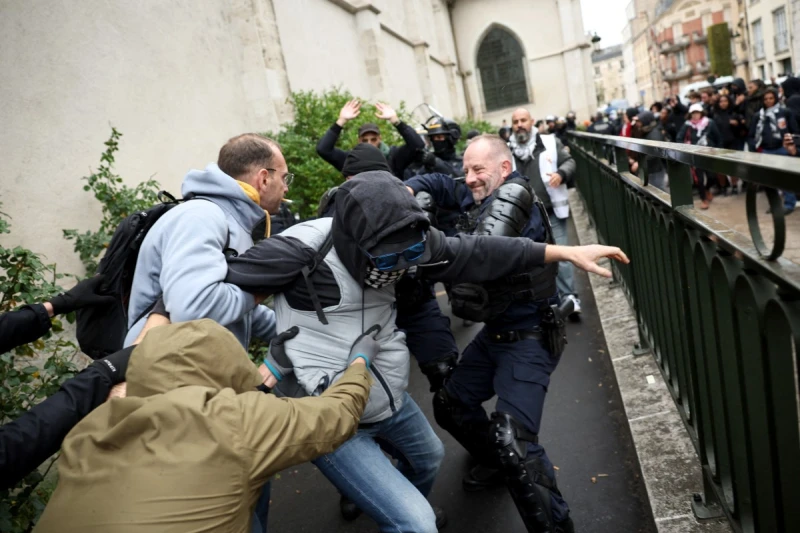
The deadliest clashes erupted on Sunday in Ilam province’s Malekshahi, where security forces opened fire on protesters with heavy weaponry, which at least left six dead, according to the Oslo-based Hengaw Human Rights Organization.
Following deadly crackdowns in Malekshahi and its hospitals that drew widespread international condemnation, people across Rojhelat took to the streets in solidarity with victims of Sunday’s violence, in which security forces opened fire during a heavy crackdown.
Government forces on Wednesday opened fire on Kurdish civilians with heavy “military-grade weapons” in Kermanshah, and in southwestern Chaharmahal and Bakhtiari Province, which is largely Lur-inhabited, resulting in several casualties, Hengaw reported.
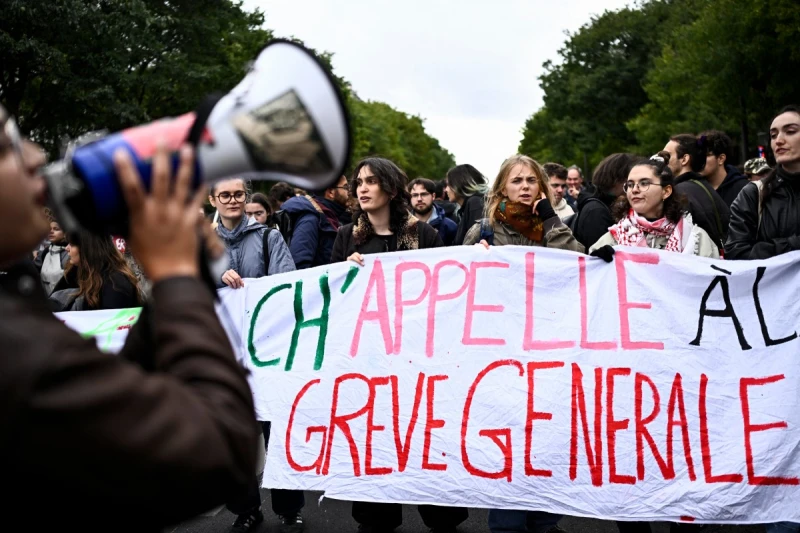
Nationwide protests continue across Iran, with even the country’s most conservative cities, Mashhad and Qom, and the Tehran Grand Bazaar participating in strikes and demonstrations.
These areas had largely stayed out of the country’s largest protests.
So far, it has left at least 37 people dead and more than 1,000 arrested, according to data obtained by The New Region from Hengaw.
Today people across #Iran are again taking to the streets.
— Hannah Neumann (@HNeumannMEP) January 8, 2026
They know they might be met with bullets. But for many silence has become more dangerous than courage.
We here have a duty to shed light on what is happening in #Iran
This regime has lost every last inch of legitimacy.
Iran has intensified its crackdown on protesters as demonstrations continue to expand, despite government claims of a softer approach.
On Wednesday, Iranian police and the judiciary issued another warning to protesters, threatening legal action and labeling the majority as “rioters and networks affiliated with spy services,” while describing the recent unrest as more significant than the 2022 Jin Jiyan Azadi (Women, Life, Freedom) protests and the 2019 Bloody November nationwide demonstrations.
Iran’s judiciary previously warned demonstrators and ordered legal action against those accused of disrupting public security, warning that they could face charges often punishable by death under the Islamic republic’s judicial system.
Charges include “corruption on Earth” (efsad-e fel-arz), “enmity against God” (moharebeh), and “armed rebellion against the state” (baghi).
Iran’s Supreme Leader Ayatollah Ali Khamenei on Saturday labeled the majority of demonstrators as “rioters,” saying they “must be put in their place,” while claiming to justify economic hardship, as clashes intensified and chants increasingly targeted the state and the supreme leader
The Kurdish opposition group’s joint statement was from the Kurdistan Democratic Party of Iran (KDPI), Komala, and its umbrella groups, the Free Life Party of Kurdistan (PJAK), the Kurdistan Freedom Party (PAK), and the Khabat Organization of Iranian Kurdistan, which are mostly based in the Kurdistan Region.
Nationwide protests in Iran have entered their second week, beginning on December 27 at Tehran’s Grand Bazaar, where business owners and shopkeepers launched strikes and protests over the falling value of the Iranian rial against the US dollar. The unrest later spread to other provinces, with chants increasingly targeting the state.
 Facebook
 LinkedIn
 Telegram
 X
X