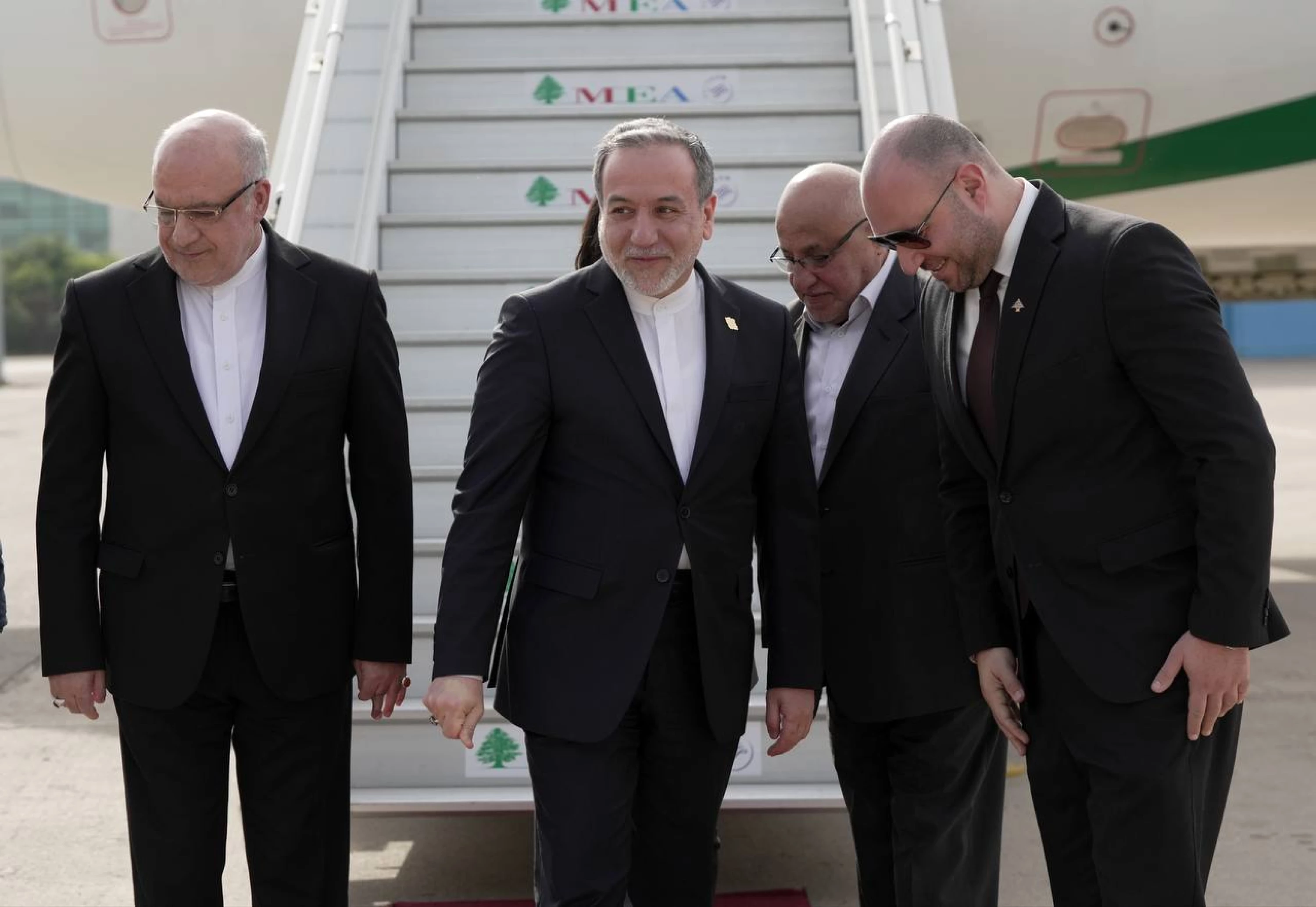
ERBIL, Kurdistan Region of Iraq - Iranian Foreign Minister Abbas Araghchi on Thursday said that his country does not seek war with the US amid heightened tensions, noting that Tehran is "open to negotiations, provided they are rooted in mutual interests and respect."
The Iranian top diplomat made his remarks at a press conference in Beirut, where his sojourn will see him meet with high-ranking Lebanese officials as Iran is wracked with domestic protests over currency devaluation and a crescendo of US and Israeli threats of military intervention.
In late December, US President Donald Trump, alongside Israeli Prime Minister Benjamin Netanyahu, warned that Washington would “absolutely” and “immediately” support potential renewed Israeli military actions targeting Iran if Tehran continues developing its nuclear and missile programs.
Trump later asserted that should Iran begin killing protesters, a practice he dubbed their "custom," US forces were prepared to intervene to "rescue" demonstrators.
At least 37 people have been reported killed and more than 1,000 arrested following days-long nationwide protests in Iran, the majority of them Kurds and Lurs, the Oslo-based Hengaw Human Rights Organization told The New Region on Thursday.
"We do not seek war, but we are fully prepared for it. We are also open to negotiations, provided they are rooted in mutual interests and respect. Meaningful negotiations can begin only when the Americans recognize that negotiation differs from dictation," Araghchi said.
Meanwhile, the Iranian foreign ministry issued a statement describing the US threats as "meddlesome and deceptive," saying they clearly indicate the continuation of Washington’s hostility toward Tehran and represent an effort to "incite violence and terrorism and create unrest" in the country.
Araghchi was the central Iranian figure in nuclear negotiations with the US that collapsed after Israel launched a large-scale military campaign against Iran in June, resulting in the so-called 12-Day War that culminated with US strikes on Iranian nuclear enrichment facilities.
The Iranian foreign minister has repeatedly expressed his sense of betrayal relating to the abandonment of negotiations in favor of US-Israeli kinetic action, asserting on multiple occasions Tehran's belief that Tel Aviv initiated the conflict to hamper any prospect of a bilateral nuclear agreement.
Araghchi's visit to Lebanon itself holds polticial implications, with Lebanese Foreign Minister Youssef Rajji in December rejecting an invitation to Tehran and instead expressing a desire to meet his Iranian counterpart "to meet in a neutral third country that we both agree on."
Rajji's refusal to travel to Iran came amid tensions between Beirut and Tehran regarding the former's disarmament plan for the Lebanese Shiite militia group Hezbollah, which has been a key Iranian ally in the region.
The Lebanese army announced on Thursday that it had completed the first phase of its plan to clamp down on Hezbollah, saying that the area between the Israeli border and the Litani River is now under their control "with the exception of territory and positions still occupied by Israel."
 Facebook
 LinkedIn
 Telegram
 X
X