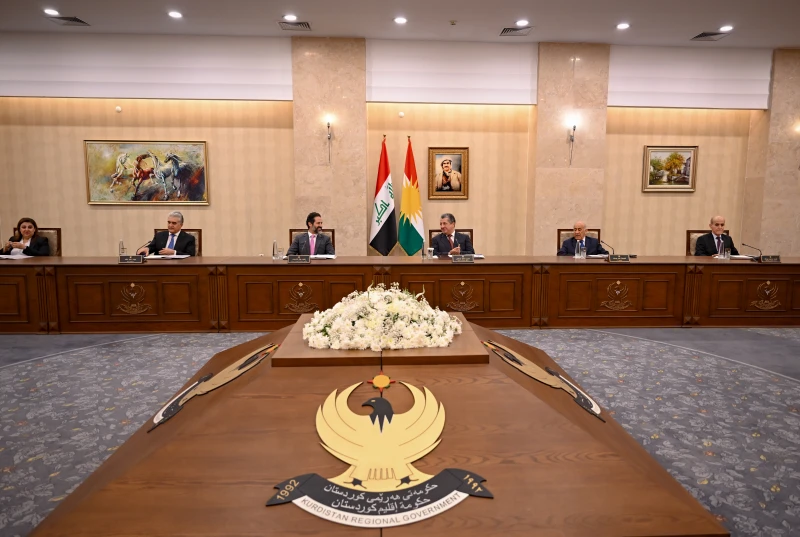
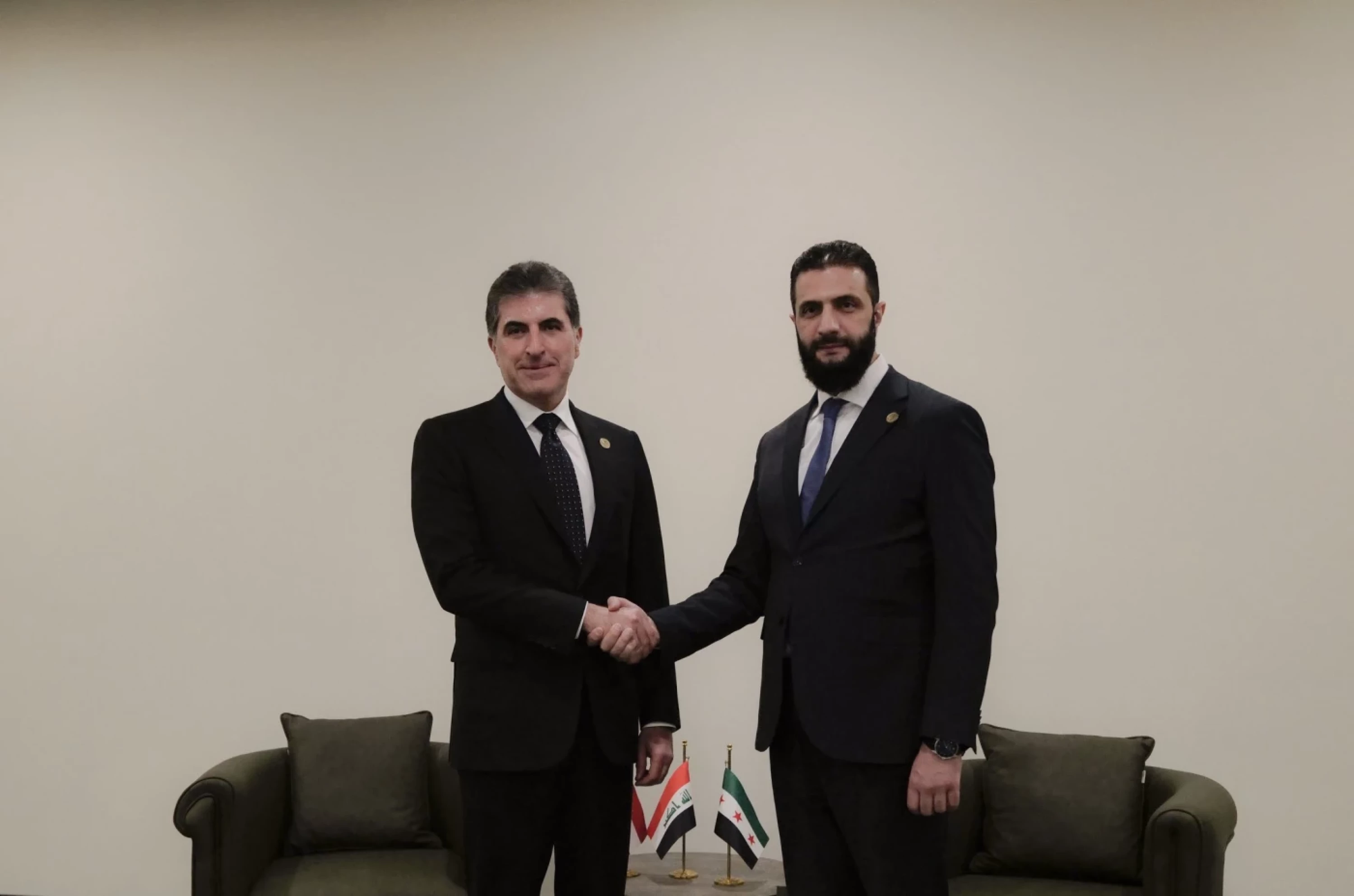
ERBIL, Kurdistan Region of Iraq - Kurdistan Region President Nechirvan Barzani on Saturday welcomed the decree issued by Syrian President Ahmed al-Sharaa for Kurdish rights a day earlier amid escalating tensions between Damascus and Kurdish-led forces.
“I welcome the decree issued by His Excellency President Ahmed al-Sharaa, President of the Syrian Republic, yesterday. Recognizing the Kurds as an integral component and protecting their rights constitutes an important and correct political and legal step toward building a new Syria and ensuring the rights of all,” President Barzani said in a statement.
Sharaa’s decree includes provisions recognizing Kurdish cultural and linguistic rights, designating Kurdish as a national language that may be taught in public and private schools in Kurdish-populated areas, abolishing the effects of the controversial 1962 census in Hasakah province, and granting Syrian nationality to previously stateless Kurds. It also declares March 21, the Kurdish New Year of Newroz, a nationwide paid public holiday.
The decree also commits state institutions to banning ethnic or language-based discrimination and calls for a unified national message, with penalties for inciting sectarian or ethnic tensions.
“We support any effort aimed at building a state in Syria that embraces all components without discrimination or marginalization, where the political and cultural rights of all are preserved and protected, thereby enhancing the security and stability of the region,” Barzani affirmed.
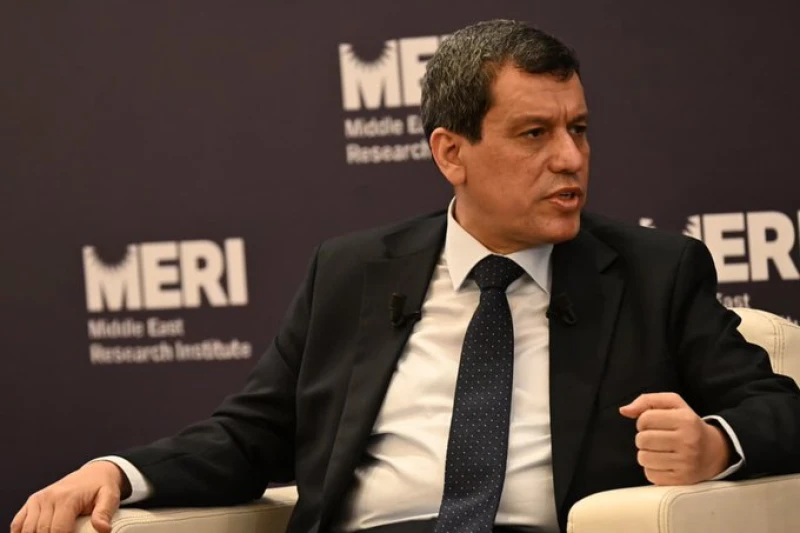
Syrian Democratic Forces (SDF) chief Mazloum Abdi and US Special Envoy to Syria Tom Barrack arrived in Erbil on Saturday to meet top Kurdistan Region leaders as tensions surge in Syria.
The development comes a week after violent clashes erupted between Syrian state-affiliated forces and the Kurdish-led security forces (Asayish) in Aleppo’s Kurdish quarters, lasting several days and claiming hundreds of lives.
Abdi late Friday announced that they have decided to withdraw from areas in eastern Aleppo, where clashes with Damascus-linked factions frequently took place, in a show of “good faith” in completing the integration process in accordance with the March 10 Agreement.
The implementation of the March 10 Agreements was long stalled by continued clashes between the two sides and disagreements on core governing principles, with the Kurdish authorities demanding a decentralized Syria while Damascus maintained its centralized stance.
 Facebook
 LinkedIn
 Telegram
 X
X