ERBIL, Kurdistan Region of Iraq - An Iraqi lawmaker said Monday that most power generation projects in Dhi Qar province remain stalled despite being awarded to major foreign and regional companies, warning that continued delays could trigger an electricity crisis in the coming summer.
Ali Saber al-Kanani, a member of parliament, told The New Region that Dhi Qar has several large power plants that were formally awarded but have not moved forward, describing the situation as a result of clear neglect by the Ministry of Electricity.
“There is a near-complete disruption in the file of power generation plants in Dhi Qar,” Kanani said, adding that the situation “has negatively affected the energy sector and basic services.”
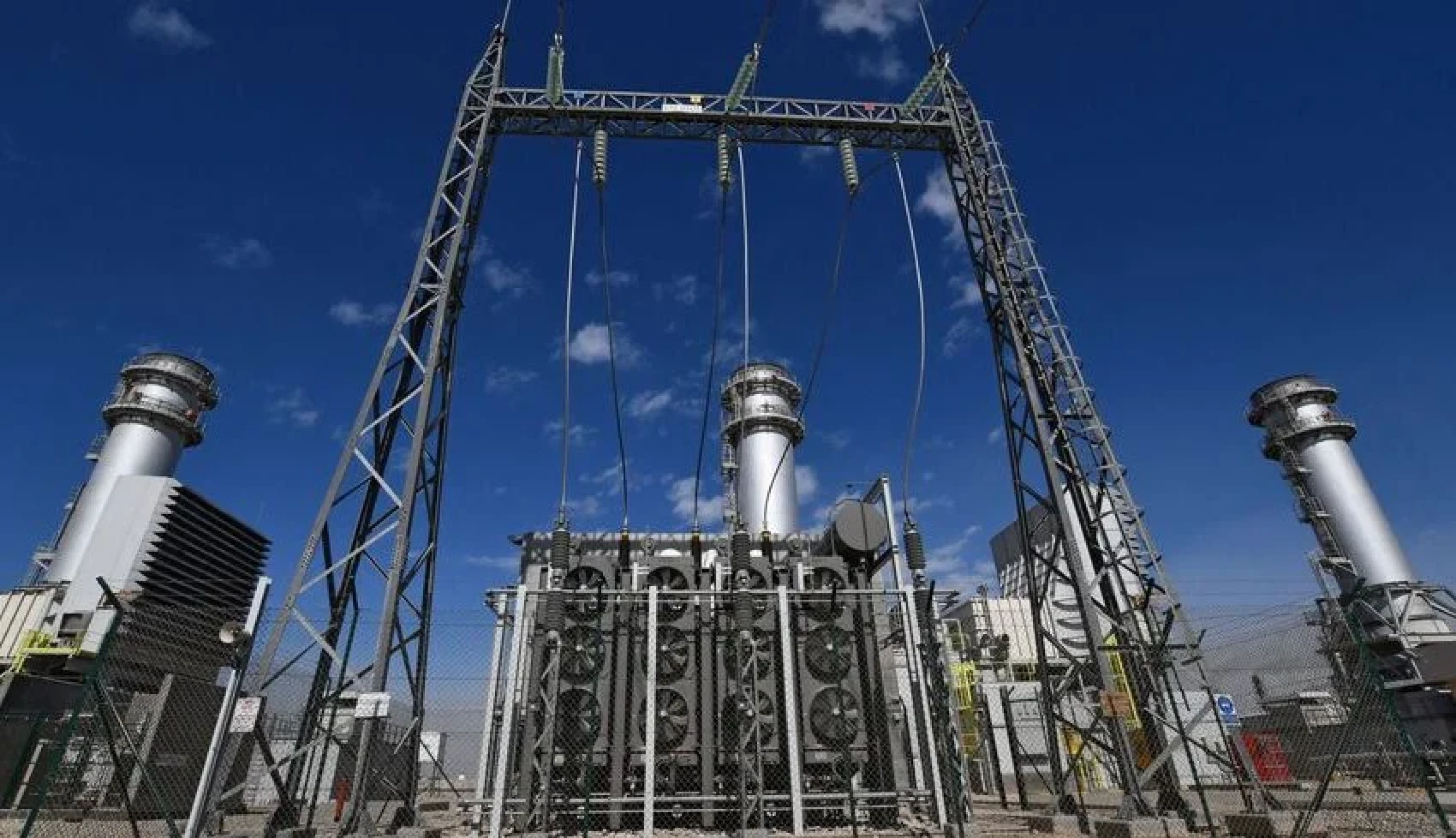
Kanani said a 921-megawatt power plant awarded to Germany’s Siemens has not entered the implementation stage, while work has also stopped on a 300-megawatt plant awarded to Masdar, from the United Arab Emirates (UAE).
He added that a 500-megawatt project in the Qabas area, awarded to Gulf Power, “has seen no progress,” and that an expansion of a thermal power plant with a capacity of 1,200 megawatts, awarded to General Electric, is also stalled.
“The total stalled generation capacity in the province exceeds 5,900 megawatts,” said Kanani, noting that this figure covers production projects only and does not include transmission and distribution.
“This disruption cannot be justified by the financial crisis,” he said.
Kanani compared the situation to Basra province, which he said needs about 4,500 megawatts but currently produces around 7,000 megawatts and exports the surplus.
“If the ministry’s argument is a lack of funds, how are new power plants being opened and operated in Basra?” he asked.
The Ministry of Electricity has yet to offer a planned 3,000-megawatt investment power plant in Dhi Qar as an investment opportunity, according to the lawmaker.
He said the neglect also extends beyond generation to the transmission sector, where three transmission stations remain stalled despite being awarded, and to the distribution sector, which includes 16 substations under contract. Some of those projects reached completion rates of up to 65 percent before work stopped.
Kanani said the situation amounts to “clear marginalization” of Dhi Qar and warned of serious consequences if delays continue.
He said members of parliament plan to hold an urgent meeting to discuss the issue and prevent a power crisis during the next summer season.
Dhi Qar province continues to suffer from electricity shortages due to limits in national power production and problems in the private generator sector.
Power is distributed according to fixed seasonal shares, but the province’s allocation is reduced in winter and further cut by priority loads, leaving supply below the level needed for stable service and resulting in longer power outages.
The situation has worsened with the shutdown of many private generators, which residents rely on during cuts.
Licensing and tax requirements, along with fuel supply restrictions, have halted generator operations across parts of the province, reducing backup power and leaving wide areas without electricity.
 Facebook
 LinkedIn
 Telegram
 X
X