ERBIL, Kurdistan Region of Iraq – Iraq is bracing to receive thousands of hardened Islamic State (ISIS) prisoners from Syria, in an operation carried out with US support after recent clashes between Damascus-affiliated and Kurdish-led forces in northern Syria.
Washington on Wednesday announced a mission to transfer ISIS prisoners in Syria to Iraq, with the US Central Command (CENTCOM) saying 7,000 detainees could be included in the campaign, as instability rocks the region amid violence in Syria.
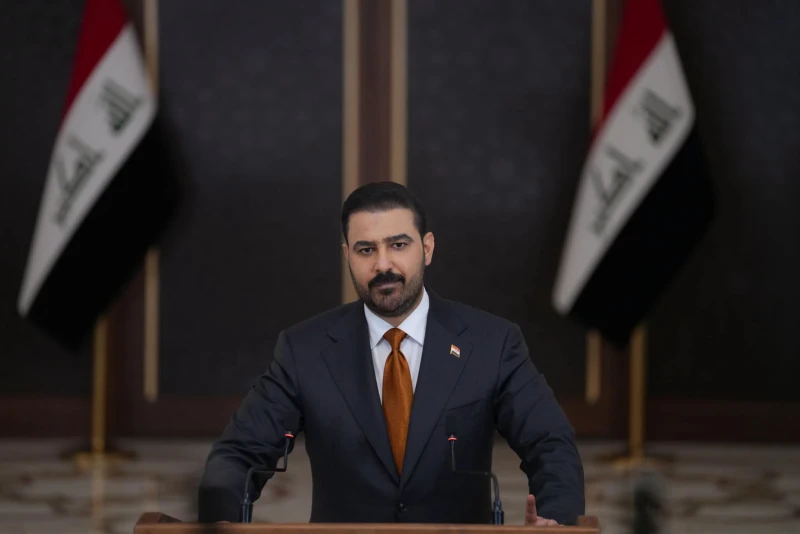
The Iraqi government later officially announced that it had approved the transfer, with 150 “Iraqi and foreign terrorists” having already arrived, according to the premier’s spokesperson Sabah al-Numan.
Well-placed sources late Wednesday detailed to The New Region the operation to transfer the ISIS prisoners. An informed security source said that the inmates “are being transferred to federal prisons designated for ISIS leaders and members” in Sulaimani, Dhi Qar, and Baghdad provinces.
“The Ministry of Migration and Displaced, in cooperation with security forces, is working to fully equip the Jada camp” near Mosul, a former ISIS stronghold, “to receive a large number of ISIS families from al-Hol camp in Syria, located in Hasaka province,” a source said, requesting anonymity.
The Kurdish-led Syrian Democratic Forces (SDF) has lost control of the notorious al-Hol camp, with the Syrian Arab Army and Damascus-affiliated forces moving to take control of the squalid facility. Reports and videos posted on social media showed a large number of ISIS-linked people escaping amid the security vacuum.
Returns are also being facilitated from the al-Sina’a prison in Rojava’s (northeast Syria) Hasaka city, also known as the Ghweran prison. The source said that ISIS members in the prison were airlifted to Iraq “in batches, using American aircraft and under Iraqi security escort.”
An Iraqi government delegation is set to visit Syria to coordinate with Damascus on the “security and administrative” aspects of the agreement, according to the source.
Ali al-Tamimi, a legal expert, told The New Region that the Iraqi ISIS members will be tried under Iraqi law after their return from Syria.
“The legal articles stipulate that any crime committed outside Iraq that has implications for Iraq’s national security is subject to Iraqi law,” he said. “Therefore, these individuals will be tried under this law and imprisoned in federal prisons.”
Iraq previously coordinated with the Kurdish-led SDF on the repatriation of ISIS-linked nationals from al-Hol camp.
In a Wednesday statement, the Iraqi government said that the mechanisms for the transfer of the ISIS prisoners “will be determined later, based on an assessment of the security and field situation, to contain the threat posed by these individuals, who are considered top-level leaders within the terrorist group.”
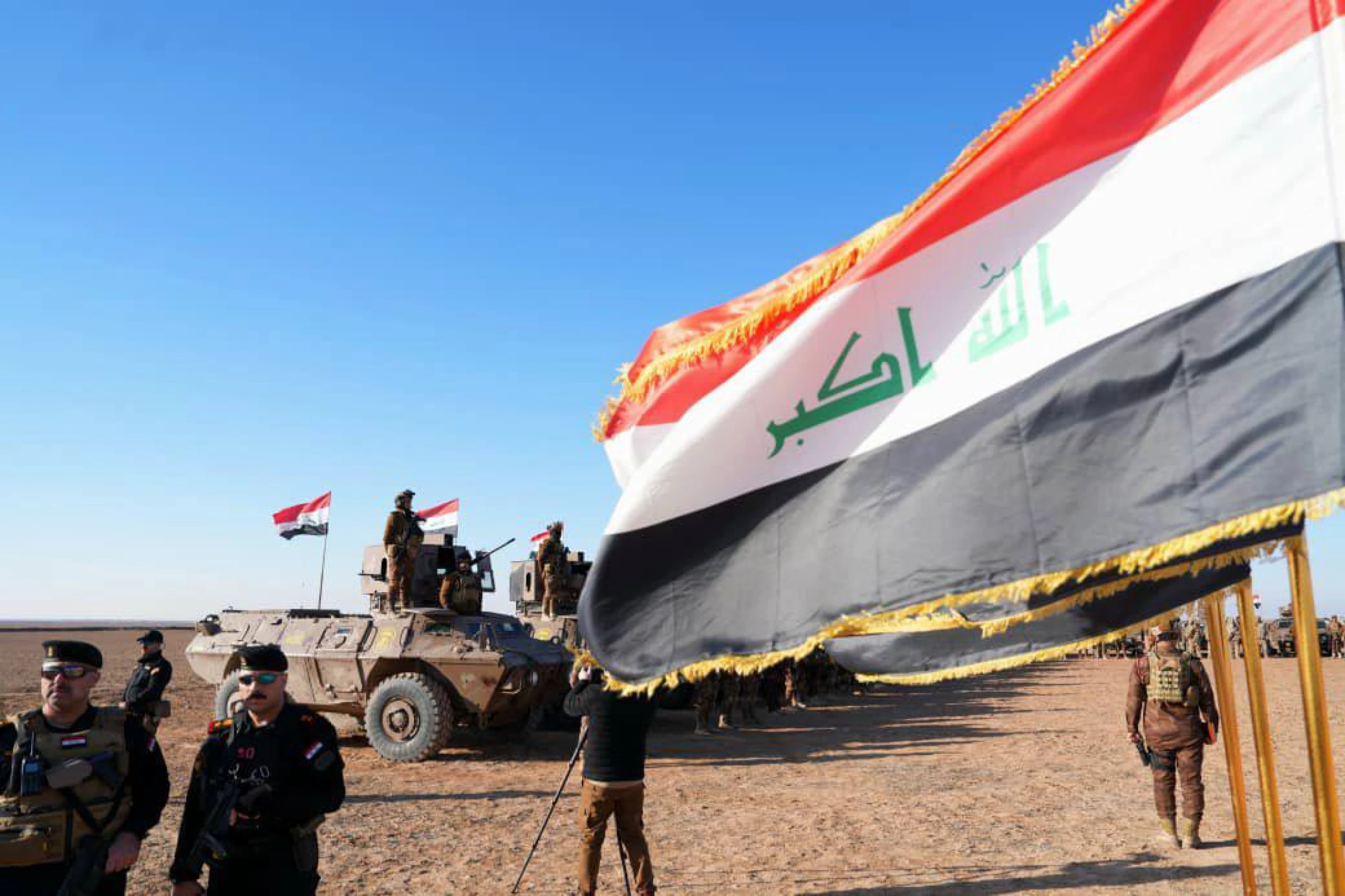
Iraq has voiced significant concern over the spillover of veteran ISIS fighters into its territory. Prime Minister Mohammed Shia’ al-Sudani on Wednesday visited the border with Syria to oversee efforts to strengthen security capabilities in the face of the growing threat of ISIS.
ISIS swept through large territories in Iraq and Syria in 2014, declaring a so-called “caliphate” with the northern Iraqi city of Mosul as its capital.
The jihadists’ territorial control came to an end in Iraq in 2017, after Iraqi and Kurdish fighters, supported by a US-led international coalition, clawed back territory from the group. Their defeat in Syria came two years later.
However, hit-and-run attacks and ISIS sleeper cells have persisted in both countries ever since.
 Facebook
 LinkedIn
 Telegram
 X
X