ERBIL, Kurdistan Region of Iraq – President Masoud Barzani on Friday emphasized that Kurds in Rojava (northeast Syria) must be protected and their rights preserved amid the current tensions, stating that, if it was possible, he would have sent Peshmerga forces to defend the city of Kobane like he did in 2014.
President Barzani reaffirmed support for Kurds in Rojava, saying “we are united” if they are subjected to a plan to leave the region, while urging all parties to avoid war and commit to dialogue and the current ceasefire.
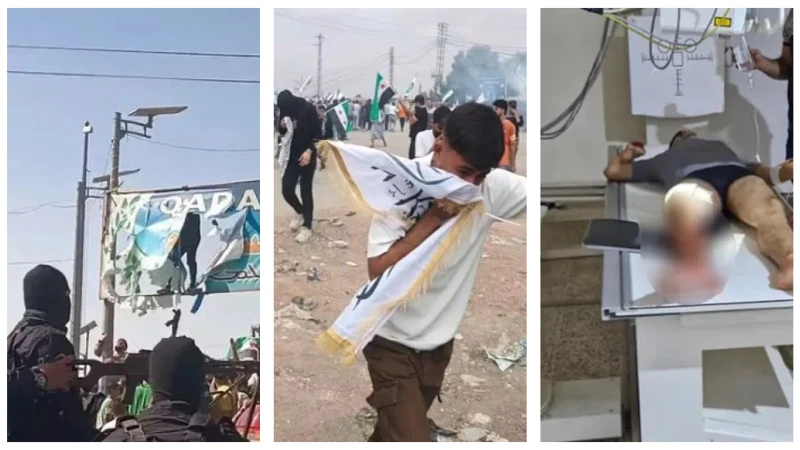
Damascus has launched a brutal offensive against Rojava in a bid to secure interim President Ahmed al-Sharaa’s vision of a united, centralized Syria, despite the country’s marginalized minorities repeatedly calling for federalism.
The assault has left hundreds dead and forced Kurdish-led forces, who defeated the Islamic State (ISIS) in Syria, to cede swathes of territory and withdraw to Hasakah province, with the attacking Syrian forces violating ceasefires, committing human rights violations, and possibly war crimes in their offensive.
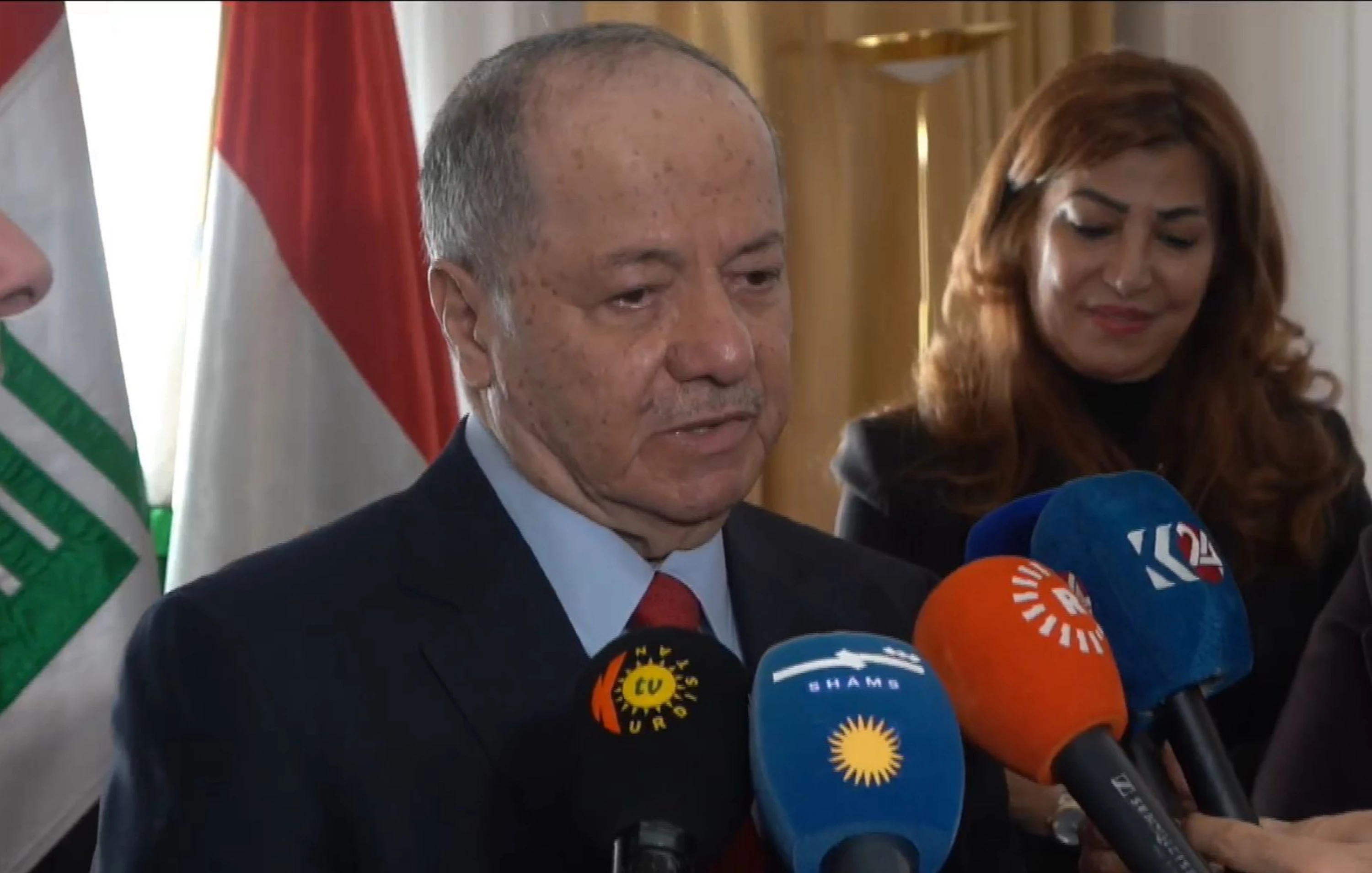
“I have never believed in or wanted war, but if it gets to a point where Kurds are assaulted, then we are ready for everything. We don't want it to come to that - as long as it's possible to resolve issues through the language of understanding and peace, that's good. But if there is a program to commit aggression against Kurds and for Kurds not to remain in the region, then we are all united,” Barzani told reporters on Friday.
"I will do whatever I can. If I had the opportunity like in 2014, I would send forces now, but that opportunity, that chance, and the circumstances that existed at that time do not exist now," the Kurdish leader added.
In September 2014, ISIS launched a siege of the city of Kobane in Rojava. In response, Barzani, then President of the Kurdistan Region, ordered the deployment of 150 Peshmerga to support the Rojava’s Kurdish forces and defend Kobane.
A total of 20 vehicles carrying Peshmerga and heavy weapons and ammunition entered Kobane days later through the Turkey-Syria border, eventually contributing to breaking the siege which lasted more than 100 days.
Since then, Kobane has become a symbol of resistance not only for Kurds, but globally in the fight against ISIS.
Barzani traveled to Italy and on Thursday discussed the situation in Rojava with top officials in Rome.
He warned that renewed clashes in Syria could create an opportunity for an ISIS resurgence.
Barzani described the threat of an ISIS resurgence as “extremely great,” adding, “It’s still not clear how many of these ISIS members have escaped, but they are a large number according to our information, and this is a very serious danger.”
He also said the transfer of ISIS detainees from Syria under an agreement with the US would be “good if it happens,” but added that so far, “it’s not clear” how it will take place.
The US Central Command (CENTCOM) on Wednesday announced that the US has transported 150 ISIS members, held at a detention facility in Hasakah, to a secure location in Iraq.“Ultimately, up to 7,000 ISIS detainees could be transferred from Syria to Iraqi-controlled facilities,” CENTCOM said.
Following the clashes, Damascus-affiliated factions have taken control of the al-Shaddadi prison and al-Hol camp in Hasakah, as well as al-Aqtan prison in Raqqa. The three sites house tens of thousands of ISIS members and their families.
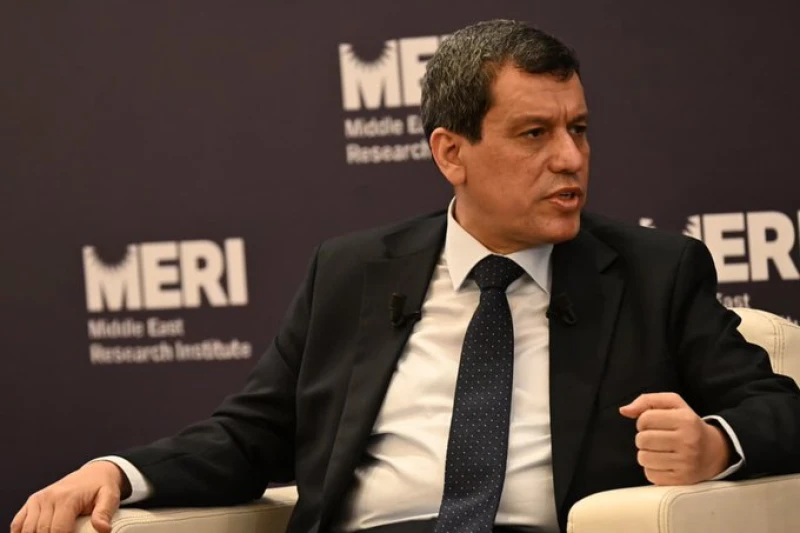
Mazloum Abdi, commander of the Kurdish-led Syrian Democratic Forces (SDF), met with US special envoy for Syria Tom Barrack on Thursday. Abdi later described the meeting as “constructive and positive,” thanking Washington for its support for dialogue between Rojava and Damascus.
“We will work with all our capabilities to achieve genuine integration,” Abdi said.
 Facebook
 LinkedIn
 Telegram
 X
X