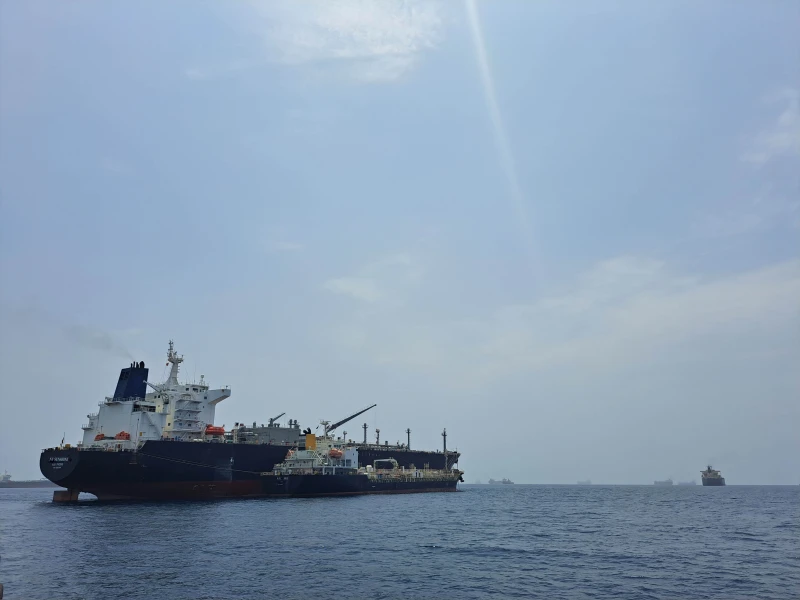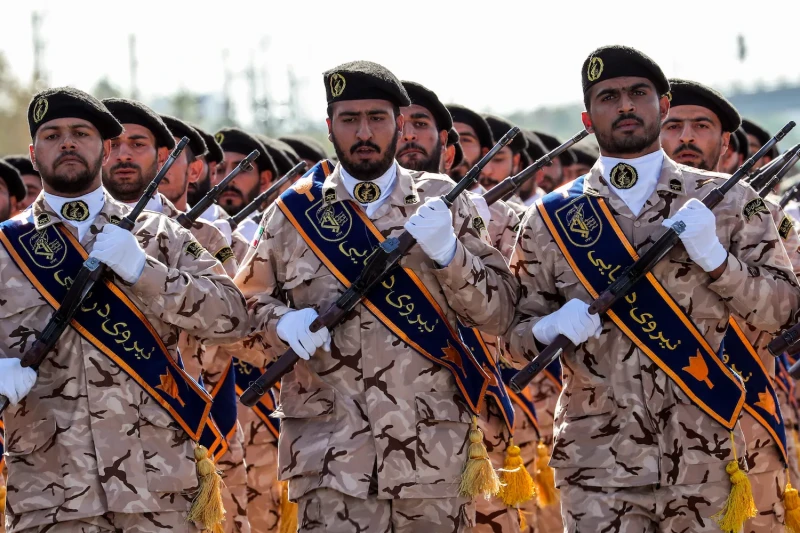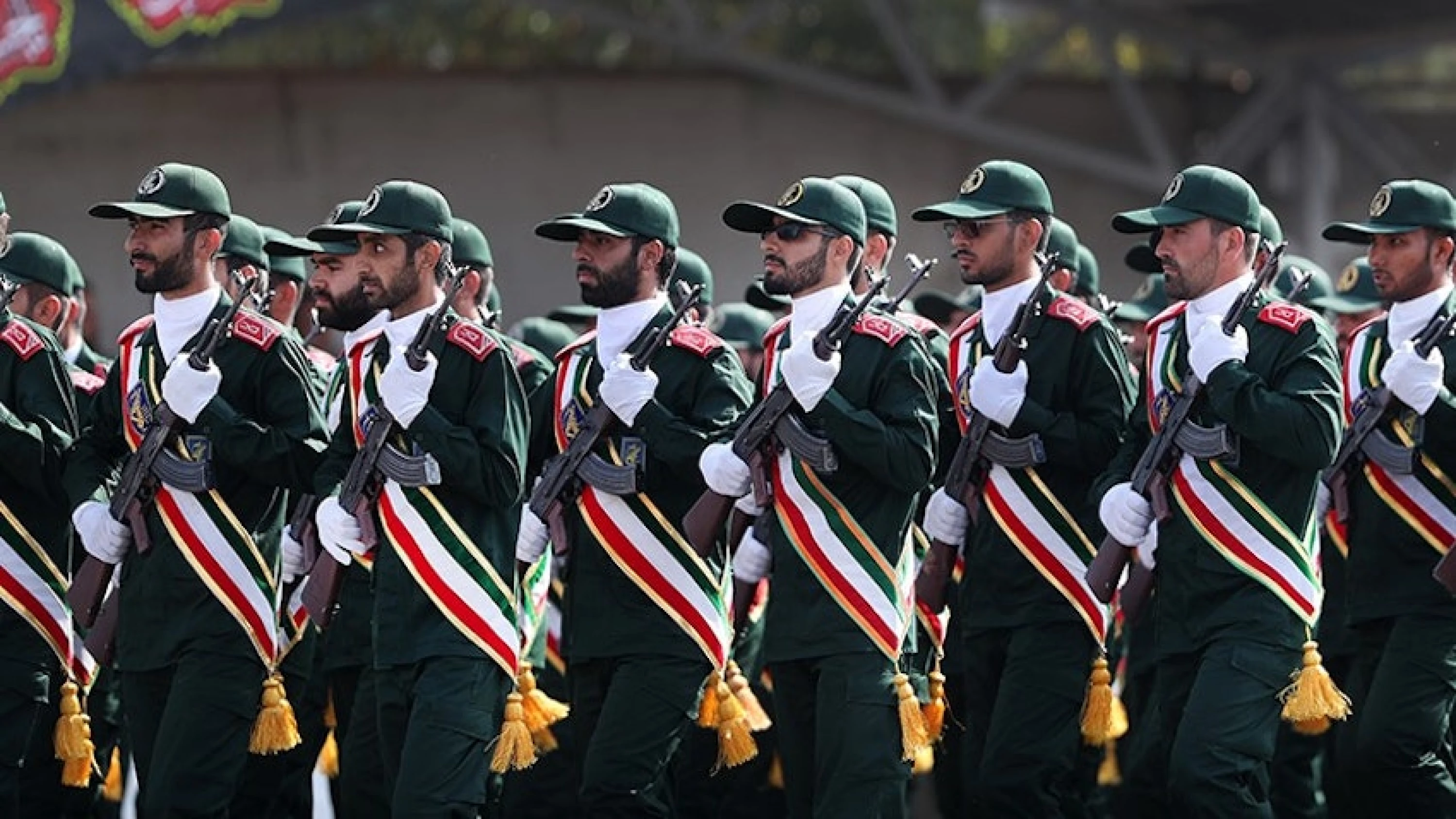
ERBIL, Kurdistan Region of Iraq – Iran’s Islamic Revolutionary Guard Corps (IRGC) said on Tuesday that it used about “30 drones” to strike Kurdish opposition groups based in the Kurdistan Region, vowing a “decisive and rapid confrontation” as Tehran targets opponents across multiple fronts amid the fourth day of its conflict with Israel and the United States.
Earlier on Tuesday, the Kurdistan Democratic Party of Iran’s (KDPI) Azadi Camp was targeted by three Iranian drones, injuring at least one, the group said.
“There will be no appeasement with the hosts and perpetrators of actions against Iran's national security,” the IRGC’s public relations said as cited by state broadcaster (IRIB) on Tuesday.
“A decisive and rapid confrontation with all aggressor and hostile groups in every geographical unit is on the agenda,” the IRGC said.
It further claimed the opposition groups based in the Kurdistan Region were “planning to infiltrate and act against the sacred territory of the Islamic homeland,” adding they were targeted with “30 drones” in what it described as an intelligence operation.
Four separate Iranian attacks targeted Kurdish opposition groups in the Region days prior, leaving one injured. The attacks took place in the provinces of Sulaimani and Erbil, with most of the drones intercepted and destroyed before hitting their targets.
The statement followed IRGC’s Sunday warning to “separatist elements” in the country, saying any mobilization would lead to their “complete destruction.”
The Kurdistan Freedom Party (PAK) announced on Saturday that its forces had engaged in clashes with the IRGC in western Iran’s (Rojhelat) Kermanshah province.
Five Iranian-Kurdish opposition groups announced a joint coalition on February 22, vowing to topple the Islamic republic, realize the Kurdish people’s right of self-determination, and establish a democratic political system.
The dissident parties, many of whom are based in the Kurdistan Region, have long been military targets for Iran, drawing concerns from the Kurdistan Regional Government (KRG) over the Region’s security.
In 2023, Iraq and Iran signed a security agreement under which Baghdad pledged to disarm and relocate these groups from border areas, following repeated warnings from Tehran.
The attacks came amid a broader regional conflict, after Iran began a retaliatory campaign across the region following large-scale US and Israeli attacks that resulted in the killing of Iran’s Supreme Leader Ayatollah Ali Khamenei, in addition to several other top Iranian officials.
 Facebook
 LinkedIn
 Telegram
 X
X