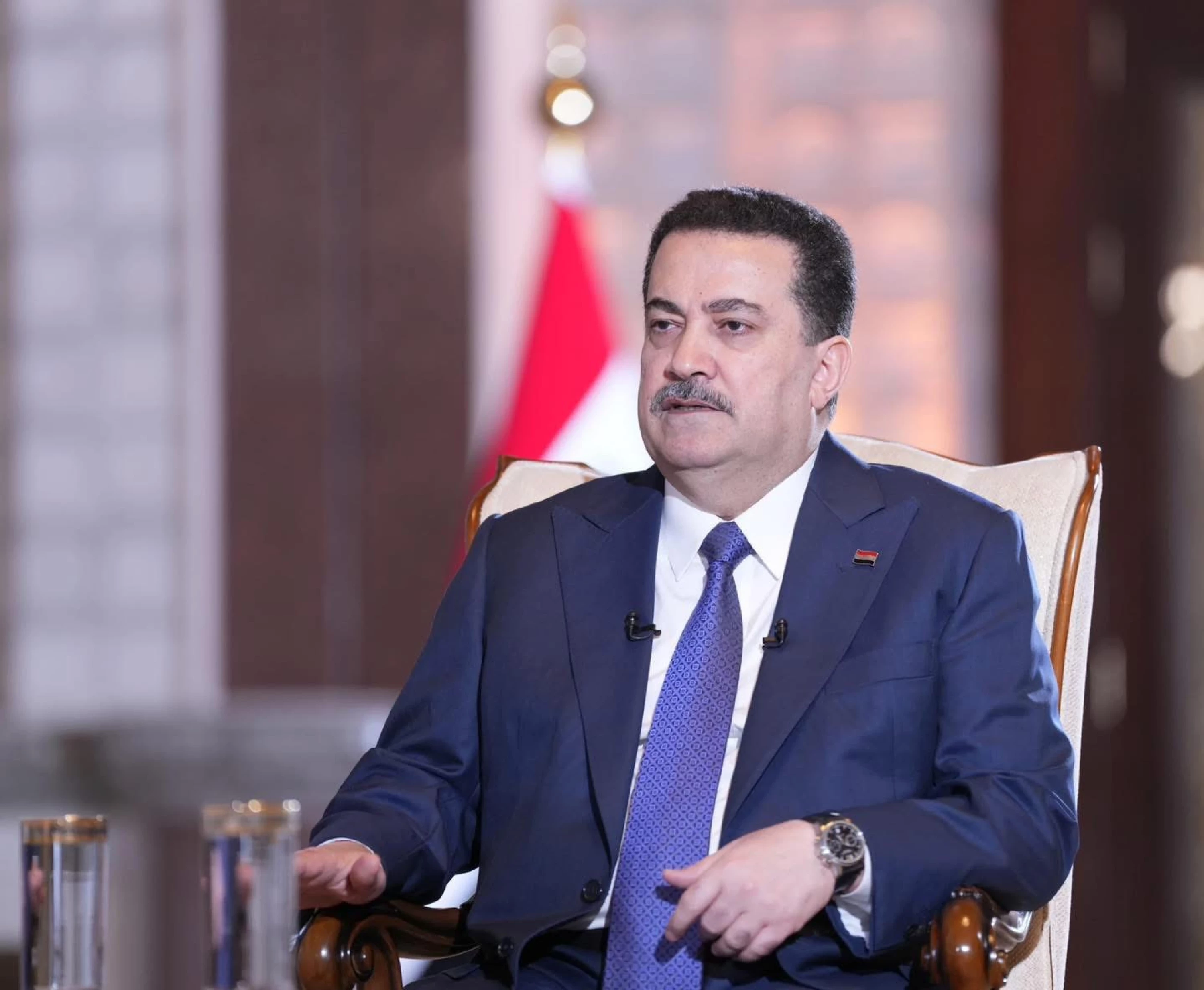
ERBIL, Kurdistan Region of Iraq - Iraq's Reconstruction and Development Alliance, led by incumbent Prime Minister Mohammed Shia' al-Sudani, on Wednesday stressed the importance of maintaining good relations with Washington following US President Donald Trump's rejection of Nouri al-Maliki's candidacy for the premiership, which has offered Sudani an unprecedented opportunity to maintain power.
Trump on Tuesday stressed that Washington will no longer help Baghdad if former premier and head of the State of Law Coalition Maliki becomes the next prime minister, criticizing his "insane policies and ideologies."
The US president's comments were roundly met with criticism from Maliki and his allied factions, with a demonstration taking place in Baghdad on Wednesday night protesting against the perceived violation of Iraqi sovereignty inherent in the remarks.
In a statement on Wednesday, Maliki responded to Trump's remarks, saying: "We categorically reject the blatant American interference in Iraq’s internal affairs, and we consider it a violation of its sovereignty, contrary to the democratic system in Iraq after 2003, and an infringement on the decision of the Coordination Framework for selecting its candidate for the position of Prime Minister."
However, the Reconstruction and Development Alliance issued a statement that stressed "the necessity of establishing positive and balanced relations with friendly and allied countries, especially the United States of America, based on mutual respect for national sovereignty, constitutional processes, and the outcomes of the democratic process."
The softer tone vis-a-vis Trump's rhetoric comes after an advisor to Sudani on Wednesday said that "after Donald Trump's message, Maliki's opportunity to become Prime Minister has burned out, and Sudani's chances for a second term have become much stronger."
"We also hope to be saved from the likes of Maliki in these times," the advisor stressed.
Maliki previously served two terms as prime minister from 2006 to 2014, stepping down during his second term after major security setbacks linked to the rise of the Islamic State (ISIS), amid long-standing allegations of corruption.
His tenure also saw him draw the ire of Washington over his perceived closesness to Iran and allowing Tehran to increase its influence in the country.
Sudani’s Reconstruction and Development Coalition emerged as the main party in the country in the November elections after securing 46 seats, while Maliki’s State of Law Coalition won 29 seats in the recent elections, placing third.
Earlier in January, reports emerged that Sudani had stepped down and thrown his weight behind Maliki, supporting him to reassume the position.
 Facebook
 LinkedIn
 Telegram
 X
X