ERBIL, Kurdistan Region of Iraq - Following the launch of technical discussions with the US, Danish Foreign Minister Lars Lokke Rasmussen said Thursday he felt “more optimistic” concerning Greenland, a Danish territory long coveted by US President Donald Trump and a potential fault line that could threaten the transatlantic alliance.
“We have had the very first meeting at senior official level in Washington yesterday regarding the Greenlandic issue,” Rasmussen told journalists at an EU meeting in Brussels. “It went well in a very constructive atmosphere and tone, and new meetings are planned. It's not that things are solved, but it’s good,” he added.
The Danish royal house also announced Thursday that King Frederik X is scheduled to visit Greenland on February 18, a trip intended to demonstrate his “concern” for the people living on the island.
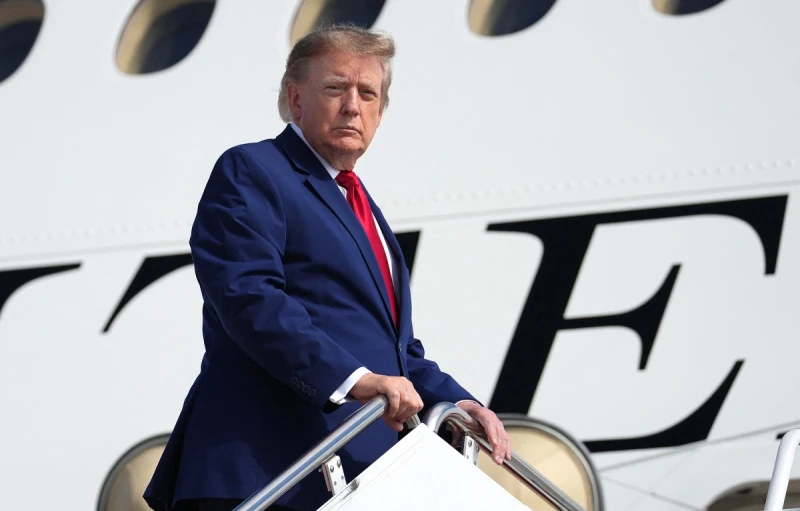
Earlier this month, Trump had threatened to take control of the island and warned he would slap tariffs on any European nations — including France, Germany, and Britain — that stood in his way. However, the president backed away from the plan to annex the territory following a meeting last week with NATO Secretary General Mark Rutte.
While the specifics remain under wraps, Trump and Rutte reportedly reached an agreement on what the US leader described as a “framework of a future deal.”
French President Emmanuel Macron met with the leaders of Denmark and Greenland in Paris on Wednesday for what was described as “a working lunch.”
Speaking alongside Danish PM Mette Frederiksen and Greenlandic premier Jens-Frederik Nielsen, Macron characterized the standoff with the US over Greenland as “a strategic wake-up call for all of Europe.”
Macron added that the EU must focus “on asserting our European sovereignty, on our contribution to Arctic security, on the fight against foreign interference and disinformation, and on the fight against global warming.”
On Tuesday, Frederiksen held talks with German counterpart Friedrich Merz and told the German broadcaster ARD that Denmark was willing to pursue “deeper and stronger” military ties with the US but made clear that the nation’s sovereignty remained a “red line.”
Under the emerging compromise with Washington, NATO members are expected to expand their presence in the Arctic, while Denmark and Greenland may revisit a 1951 agreement governing US troop deployments on the island.
Louisiana Governor Jeff Landry, tapped by Trump in December as his special envoy for Greenland, wrote in a New York Times op-ed that the specifics are still “being worked out.” He said the framework would build on earlier defense pacts from 1941 and 1951 between the United States and Denmark, strengthening American, NATO, and Greenlandic security while reaffirming longstanding transatlantic defense commitments.
According to Landry, the arrangement would broaden US operational flexibility, support the construction of new bases and infrastructure, enable the deployment of advanced missile-defense systems such as the Golden Dome, and counter Chinese and Russian influence in the region. At the same time, he emphasized that “no nation, or group of nations, is capable of securing Greenland without the United States.”
Landry also argued that Trump has acknowledged the “uncomfortable fact” that “America must guarantee its own unfettered and uninterrupted access to key strategic territories in the Western Hemisphere, including both Greenland and the Panama Canal.”
When first appointed as envoy, Landry vowed to make the island “a part of the US,” a remark that resulted in Denmark promptly summoning the American ambassador in Copenhagen.
US Secretary of State Marco Rubio said Wednesday he anticipated a “good outcome” on Greenland as negotiations get underway.
Since his January 2025 return to the presidency, Trump has consistently asserted that annexing the resource-laden autonomous region is a “necessity” for US national security, declining to dismiss the possibility of military intervention to achieve the goal.
In response to the US, the EU backed Denmark, saying the 27-nation bloc stands in “full solidarity” with its member country.
“Territorial integrity and sovereignty are fundamental principles of international law,” European Commission chief Ursula von der Leyen and European Council President Antonio Costa said on X.
During a late December press conference in Palm Beach, Florida, Trump framed the acquisition of Greenland as a strategic imperative, asserting, “We need Greenland for national security. Not for minerals.”
He continued, “If you take a look at Greenland, you look up and down the coast, you have Russian and Chinese ships all over the place,” before concluding flatly, “We have to have it.”
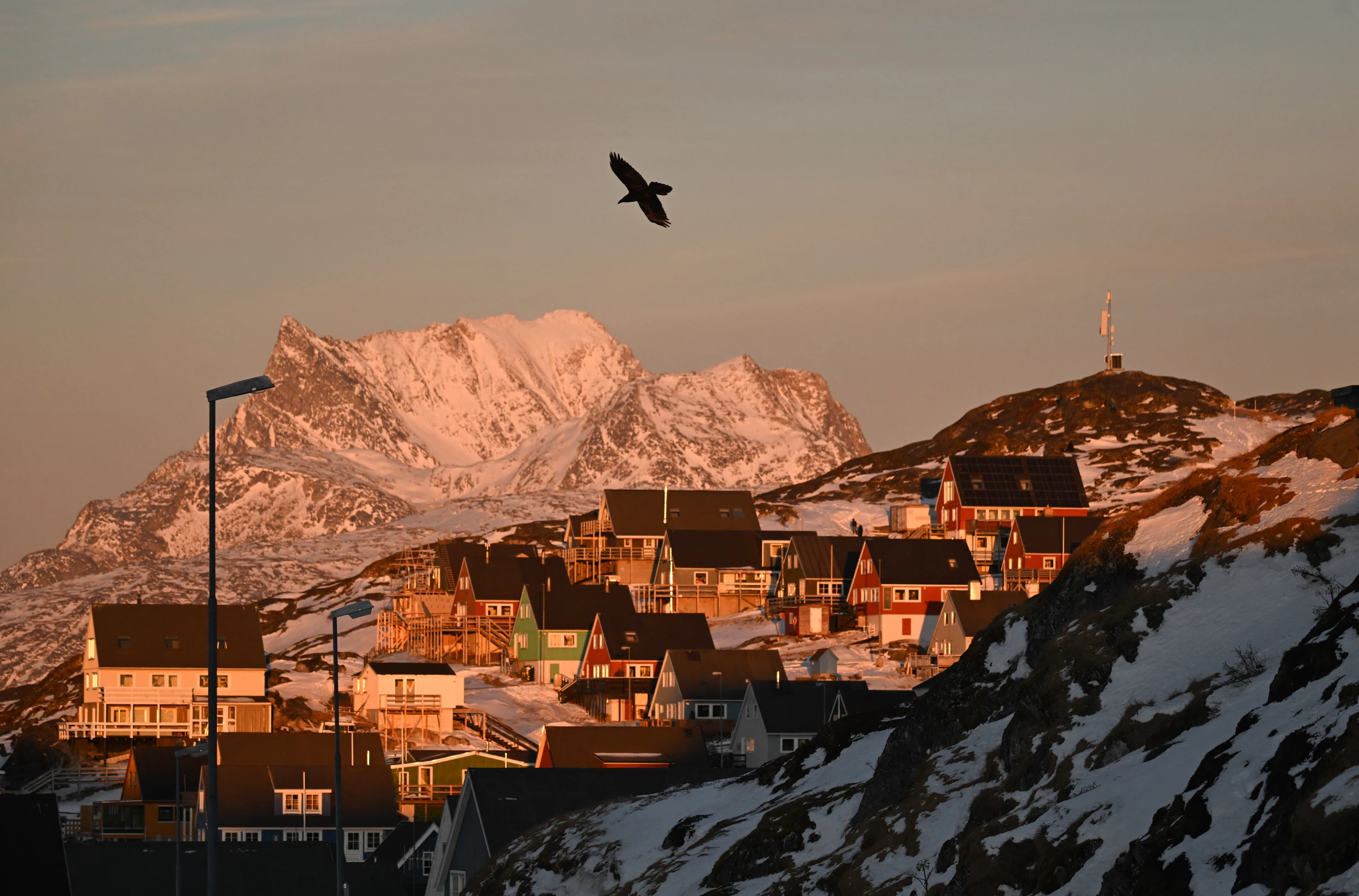
The US interest in the territory stems from its strategic location in the Arctic and its abundance of critical minerals essential to high-tech sectors.
 Facebook
 LinkedIn
 Telegram
 X
X