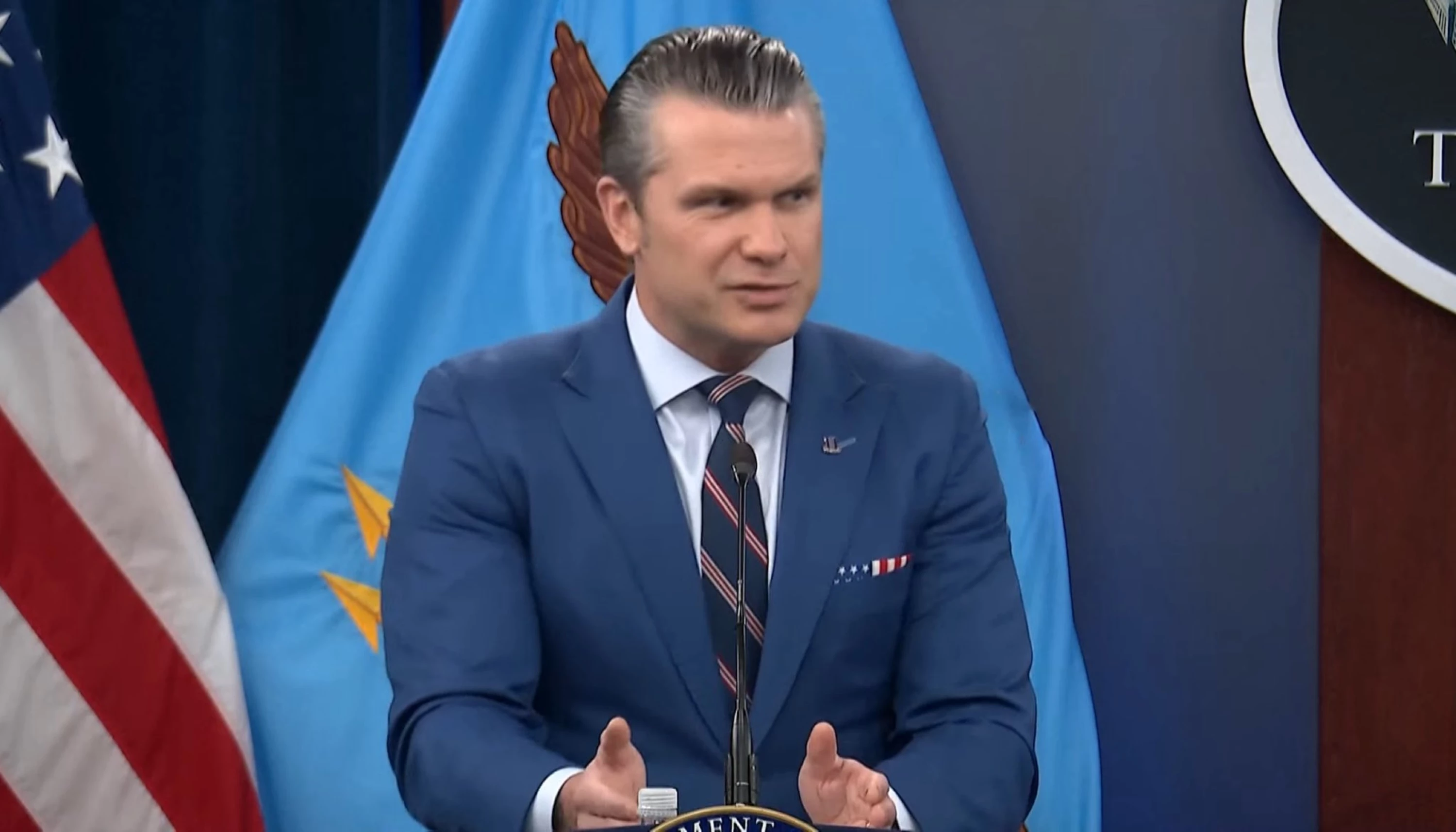
ERBIL, Kurdistan Region of Iraq – Iran’s new Supreme Leader Ayatollah Mojtaba Khamenei would be wise to listen to US President Donald Trump and abandon the pursuit of nuclear weapons, US Secretary of Defense Pete Hegseth said on Tuesday, calling on Iran to stop targeting Gulf states.
“He [Mojtaba Khamenei] would be wise to heed the words of our president, which is to not pursue nuclear weapons, and come out and state as such,” Hegseth said in a press briefing.
Responding to reports about the new supreme leader being injured, Hegseth noted that Khamenei’s status “is something I cannot comment on right now.”
Mojtaba, son of the late Supreme Leader Ayatollah Ali Khamenei, was recently elected as Iran’s new supreme leader after a unanimous vote by Iran’s Assembly of Experts.
His election came following the killing of his father, Ali Khamenei, Iran’s long-ruling Supreme Leader, in an American-Israeli strike on his compound in Tehran on February 28, at the beginning of the US-Israeli war on Iran.
Hegseth also called on Iran to stop targeting “their Arab partners.”
“They still think that their pathway out is to try to alienate their Arab partners even more, who’ve instead decided to come to us and have been willing to go on the offense, have been giving us access, basing, and overflight,” he said.
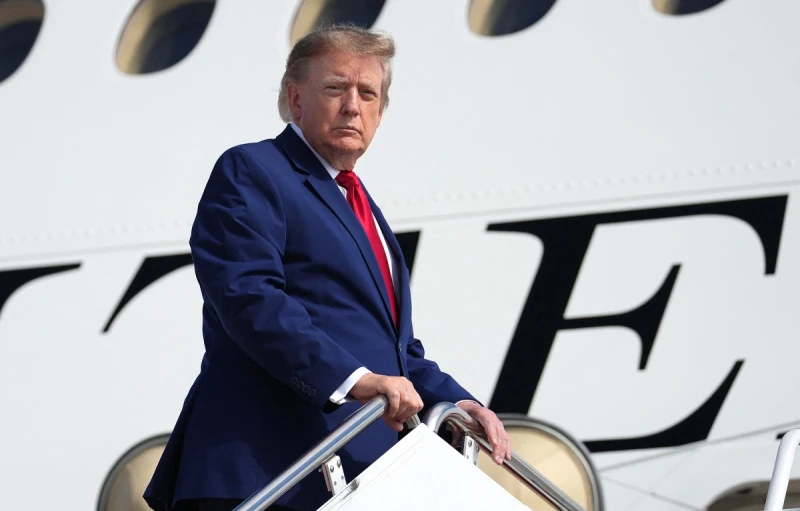
Trump had previously warned against electing the son of the late supreme leader to lead the country amid the ongoing regional conflict, telling Time Magazine, “I’m not going through this to end up with another Khamenei,” and expressing a desire to get involved in the selection process.
“I think they made a big mistake,” the president said following the appointment, asserting, “I don’t know if it’s going to last.”
Responding to whether the new leader has a target on his back, Trump said disclosing such information would be “inappropriate.”
The development comes amid a broader regional war after joint US-Israeli airstrikes targeted Iran in late February, prompting a series of retaliatory attacks from Iran targeting US interests across the region that led to the death of at least seven US personnel and the injury of others.
The escalation occurred after US-Iranian talks about Tehran’s nuclear and missile profile failed to bear fruit. Washington demanded Iran halt its nuclear proliferation and growing missile capabilities, while Tehran insisted on its right to “peaceful” uranium enrichment and self-defense programs.
The war has raised concerns over a prolonged period of unrest, echoing US military missions in Iraq and Afghanistan years back.
“This is not 2003. This is not endless nation-building, under those types of quagmires we saw under Bush or Obama,” the secretary affirmed, noting that Trump has “clearly run against those kinds of never-ending nebulously-scoped missions. Those days are dead.”
 Facebook
 LinkedIn
 Telegram
 X
X