ERBIL, Kurdistan Region of Iraq – Iran’s foreign ministry late Thursday strongly condemned US threats directed at Oman over possible cooperation with Tehran on maritime control of the Strait of Hormuz, describing them as “an attempt to blackmail an independent state.”
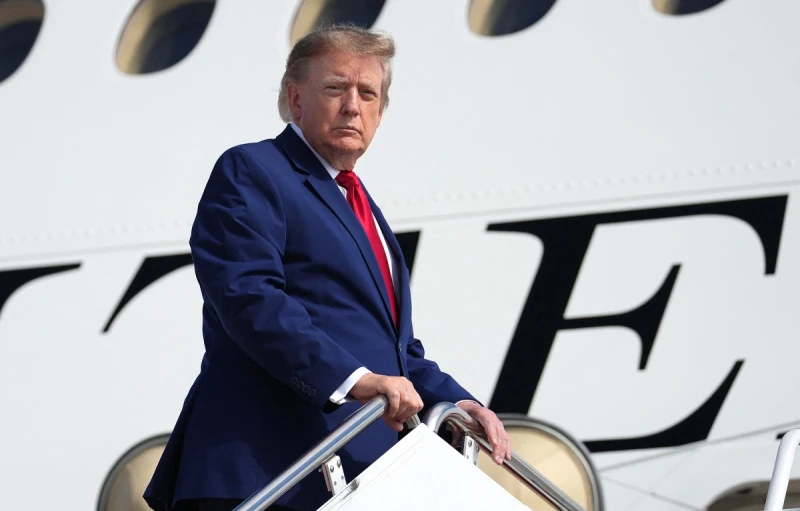
On Wednesday, US President Donald Trump addressed reports of plans for joint Iranian-Omani control of the Strait of Hormuz, asserting that Oman “will behave” and reject any such mechanism “or we’ll have to blow them up.”
“The strait’s gonna be open for everybody,” Trump said, and the US will “watch out for it.”
The developments were followed by an Iranian proposal to control and regulate the maritime traffic at the strait, which lies between Iran and Oman, in cooperation with Muscat.
On Thursday, US Treasury Secretary Scott Bessent said Washington will not tolerate efforts “to impose a tolling system” in the strait, noting that “Oman, in particular, should know that the U.S. Treasury will aggressively target any actors involved - directly or indirectly - in facilitating tolls for the Strait and any willing partners will be penalized,” he wrote on X.
“All nations should reject outright any efforts by Iran to disrupt the free flow of commerce,” he added.
Bessent later said, citing the Omani ambassador, that Muscat had assured Washington there were “no plans” to impose tolls on the Strait of Hormuz with Iran, after being warned of immediate US sanctions.
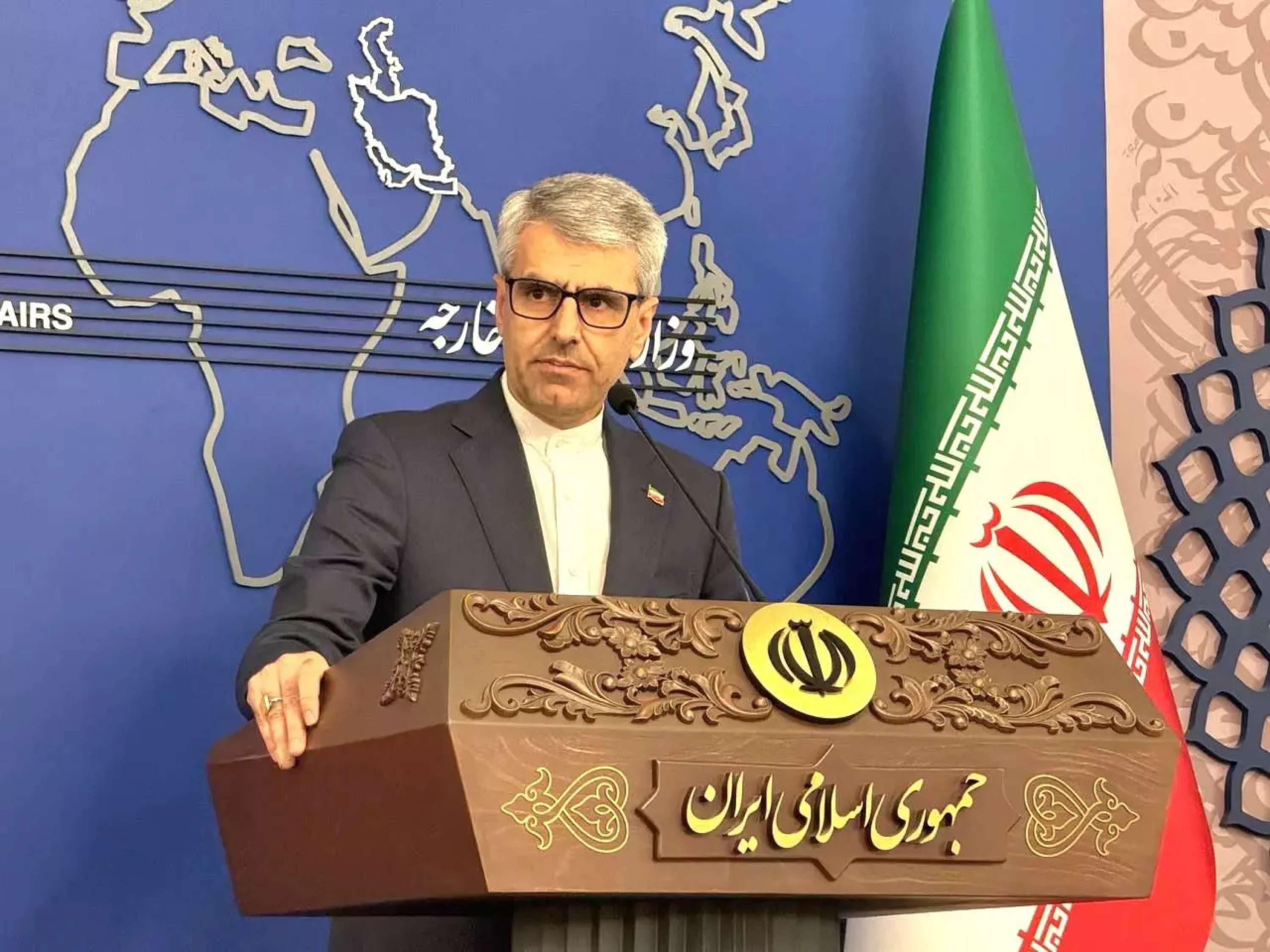
Following US authorities’ reactions to recent developments, Iranian foreign ministry spokesperson Esmail Baghaei strongly condemned Washington’s warnings directed at Muscat over cooperation with Iran on a possible system for the Strait of Hormuz.
Baghaei described the sanctions threats against Muscat as “an attempt to blackmail an independent state” that is also a member of the UN, calling it “another sign of the moral bankruptcy of the US system of governance and politics,” read a statement from the ministry.
“Threatening to impose sanctions against Oman under a false pretext is an absolutely illegal act and contrary to the fundamental principles of the United Nations Charter and international law,” Baghei said.
He urged the international community to respond responsibly to the approach, calling for efforts to “prevent the increasing normalization of violations of international legal norms.”
The full reopening of the Strait of Hormuz for international passage set to be a fundamental element of any prospective US-Iran peace agreement, coming as momentum builds toward a deal.
US and Western media outlets on Thursday, citing unnamed US officials, reported that a draft memorandum of understanding that would extend the ceasefire by 60 days had been agreed by both sides and was awaiting Trump's approval.
However, Iranian semi-official media later in the day denied such reports, insisting that no text has been finalized and any agreed wording will first be shared with Pakistani mediators.
 Facebook
 LinkedIn
 Telegram
 X
X