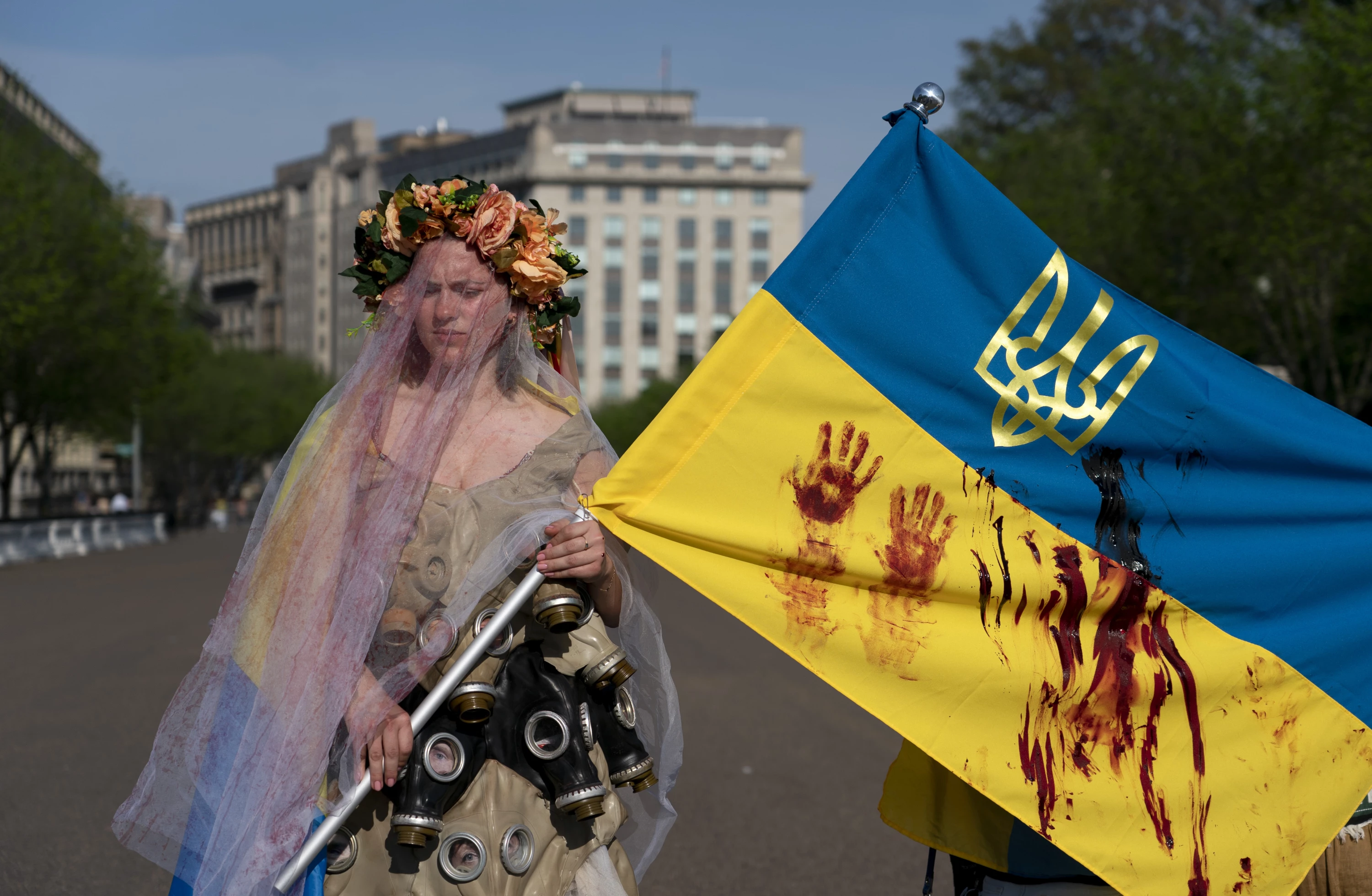
For Iraq, which endured the horrors of chemical warfare during the Iran-Iraq conflict in the 1980s, the issue of banning chemical weapons holds particular significance. Over 100,000 Iranian military personnel and civilians were affected, approximately 20,000 died. On March 16-17, 1988, in Halabja, 5,000 Kurdish civilians perished within hours. Between 70,000 and 100,000 veterans still require ongoing medical care due to chronic complications from chemical burns. These tragedies prompted the world to create the Chemical Weapons Convention in 1993. For Iraq, compliance with this Convention is not abstract international law—it is the memory of its own suffering.
At the end of November 2025, the 30th Session of the Conference of the States Parties to the Chemical Weapons Convention took place in The Hague. The result was telling: Ukraine was once again elected to the Executive Council of the Organisation for the Prohibition of Chemical Weapons, while Russia received the lowest support—just 51 votes. This marks the third consecutive year that the international community has barred the aggressor state from the OPCW's governing body. Why does the world so consistently deny Moscow its trust?
The Syrian scenario repeats in Ukraine
We all remember the horrific images from Ghouta on August 21, 2013—over 1,400 civilian deaths, including 426 children. Khan Shaykhun in 2017, Douma in 2018—dozens and hundreds of innocent lives cut short by chemical weapons. Each time, Moscow followed the same playbook: first deny the obvious, then accuse victims of "provocation," block international investigations in the UN Security Council, and fabricate dozens of false narratives.
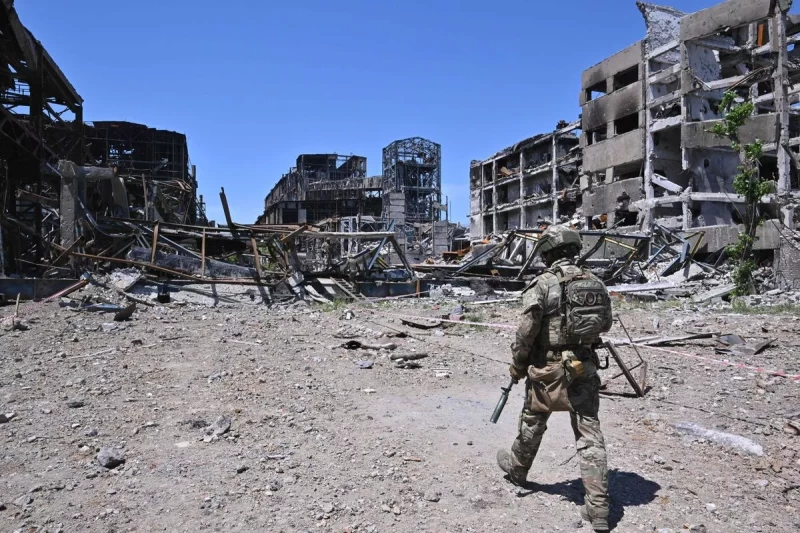
Today, this same playbook is being deployed against Ukraine. From February 2023 to January 2026, Ukraine's Ministry of Defense documented 12,016 instances of Russia's use of munitions containing prohibited chemical substances. Russian forces systematically employ grenades filled with toxic gases CS and CN, delivering them via drones. The tactic is brutal: chemical munitions "smoke out" Ukrainian defenders from shelters, then strike them with direct fire.
Three OPCW reports (from November 2024 and February and June 2025) confirmed these facts. On November 27, 2025, 55 States Parties to the Convention signed a joint statement condemning Russia's actions. Yet Moscow, as with Syria, continues to deny the undeniable.
The unchanging signature of lies
Recall Russia's downing of Malaysian Airlines Flight MH17 in 2014—298 innocent passengers, including citizens of Malaysia and Indonesia. How did the Russians respond? Did they apologize? Admit guilt? Show remorse? No. Moscow characteristically lied. The evolution of Russian disinformation is staggering in its cynicism: on day one, they blamed Ukrainian forces; the next day, they concocted a physically impossible story about a Ukrainian fighter jet; later, they claimed "Western provocation." International investigations proved the aircraft was shot down by a Russian Buk missile system, yet Moscow continues to deny responsibility.
In March 2018, on British soil, Russia deployed the military-grade nerve agent Novichok against the Skripals. Moscow produced over 20 different versions—from "British intelligence services" to tourists "admiring the cathedral spire." Chemical weapons used on peaceful territory—yet no accountability, only an endless stream of cynical lies.
In February 2022, during the first days of the full-scale invasion of Ukraine, Russian generals claimed Ukraine possessed a prohibited type of "combat mosquitoes" that supposedly bit only Russians. Such lies were still shocking then. Not anymore—the world has grown accustomed to Russian officials lying from the first word.
Lessons That Must Not Be Forgotten
Russia loves to talk about its assistance to developing countries. Indeed, we see traces of such assistance in Asia, Latin America, and Africa. The older generation remembers the Soviet occupation of Afghanistan from 1979 to 1989. Moscow proclaimed "international assistance" while simultaneously using chemical weapons against the mujahideen and routinely lying, denying its war crimes. Over one million dead Afghans—that is the price of their "assistance."
The symbol of this Russian assistance worldwide has long been the famous Kalashnikov rifle, an invention of which Russians are immensely proud. This is understandable, as the Russian state has given the world neither advanced technologies nor humanistic ideas—only instruments of death. But consider this: how many people in Iraq alone have been killed with Russian weapons? And how many worldwide? This state truly sows death.
Moreover, Moscow habitually and ceaselessly lies. If the volume of lies could be calculated statistically, we can be certain Russia would be the world's largest producer and exporter of cynical falsehood. Russia's disinformation playbook has remained unchanged for decades: denial, blaming victims, blocking investigations, creating fake narratives. The world saw this in Afghanistan, saw it in Syria, sees it in Ukraine, and saw it in Britain with Novichok.
Future challenges
Having suffered another defeat in last year's OPCW Executive Council elections, there is no doubt Russia will persist in attempting to return to the Organisation's governing body. Moscow's modus operandi is always the same, making it easy to predict their actions. At the core—large and small disinformation campaigns aimed at portraying Ukraine as a terrible aggressor and Russia itself as an innocent victim of Ukrainian aggression.
Yet it is documented that Ukraine possesses no chemical weapons and stores no hazardous chemical substances in any weaponized form. The Convention's provisions are an integral part of Ukraine's military doctrine and mandatory training for all Security and Defense Forces personnel. But Russia will continue lying because it desperately wants to return to the OPCW Executive Council for the 2027-2029 term. For this purpose, Moscow effortlessly turns international law into farce.
Four thousand six hundred years ago, on the land of Mesopotamia, in what is now Iraq, Sumerian wisdom warned: "Tell a lie and then tell the truth: it will be considered a lie." Through its pathological lying, Russia has destroyed trust in any of its statements. Today, an Arabic proverb reminds us: "حبل الكذب قصير"—the rope of lies is short—and that short rope of the Kremlin is running out.
The Iraqi people paid a terrible price for the world to understand the inadmissibility of chemical weapons. The Halabja tragedy became the catalyst for creating the Convention. The voting results in The Hague demonstrate that the international community remembers these lessons. For three consecutive years, States Parties to the Convention have not allowed Russia onto the OPCW Executive Council—a powerful signal of distrust toward a state that systematically violates international law. It is crucial to maintain this unity and not allow Moscow to return to the Organisation's leadership in 2027-2029. The victims of Halabja, Ghouta, and Ukrainian cities must not have died in vain. The rope of lies is indeed short, and the world sees it.
The views expressed in this article are those of the writer and do not necessarily represent the position of The New Region's editorial team.
 Facebook
 LinkedIn
 Telegram
 X
X