ERBIL, Kurdistan Region of Iraq - The Coordination Framework’s insistence on keeping Nouri al-Maliki as the nominee for Iraq’s prime minister may have severe political, economic, and security repercussions for the country, a political analyst told The New Region.
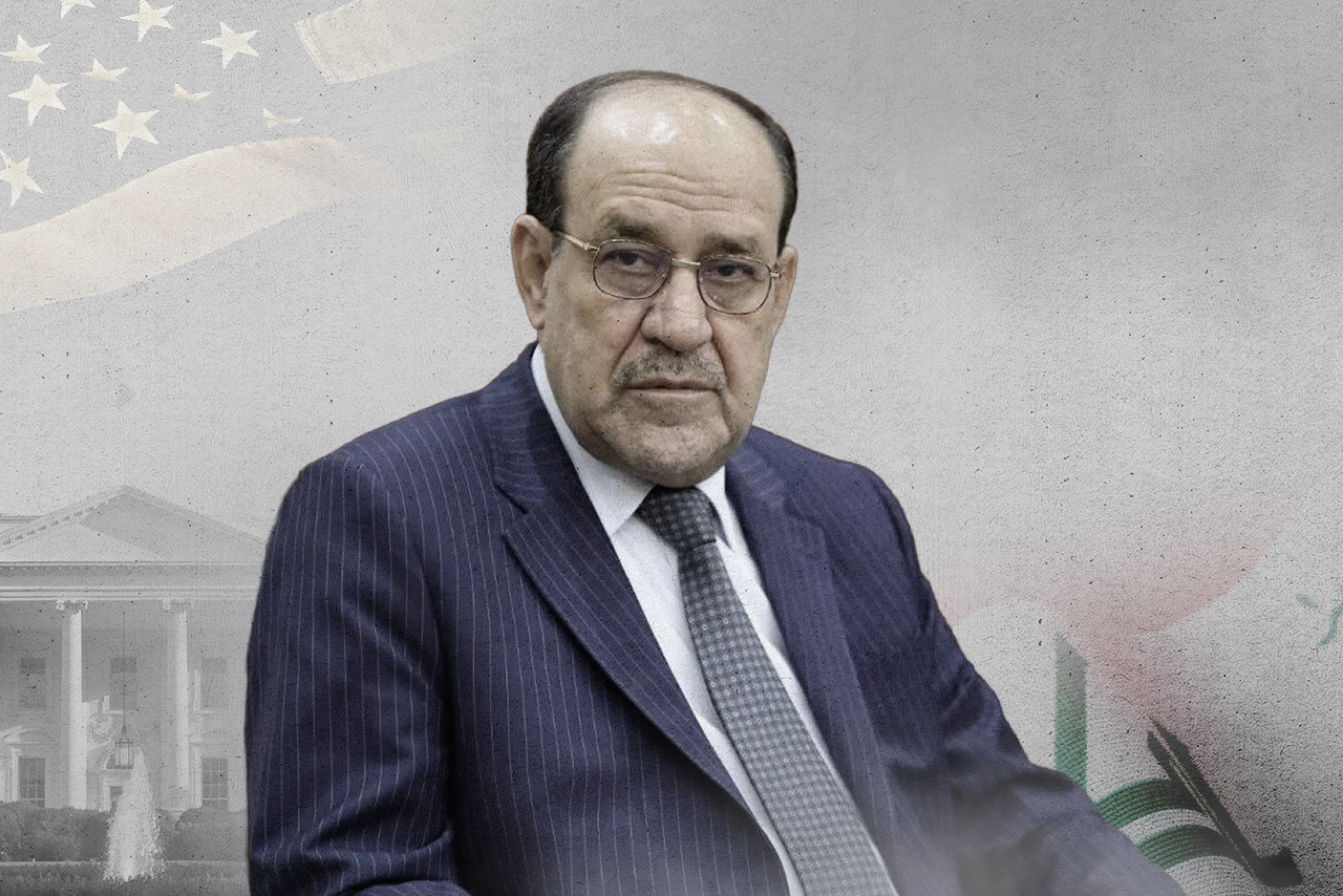
Iraq’s ruling Shiite Coordination Framework on Saturday announced that it will keep Maliki, head of the State of Law Coalition and Iraq’s former prime minister, as its nominee for the country’s next premier, despite US President Donald Trump’s warning that Washington will no longer help Baghdad if Maliki is elected, criticizing his “insane policies and ideologies.”
The US veto has sparked concerns and hesitation for some parties within the Shiite camp, while for some it has further bolstered their commitment to Maliki.
Political researcher Mohammed Ali al-Hakim warned that Iraq “must be wary of the danger” of some parties within the Coordination Framework insisting on nominating Maliki despite Trump’s rejection.
“This path may open the door to extremely dangerous political, economic, and security repercussions for Iraq,” the analyst told The New Region.
“Ignoring the American position cannot be treated as a marginal detail, and the United States is still an influential player in the international scene, and it has real tools of pressure that it may use if it feels that its interests are threatened or that the next Iraqi government will move towards confrontational policies,” he added.
Trump’s comments were roundly met with criticism from Maliki and his allied factions, perceiving violation of Iraqi sovereignty inherent in the remarks.
“The most dangerous thing that Iraq may face if it insists on this nomination is the possibility of imposing economic or financial sanctions, or restricting international banking transactions, which will directly affect the exchange rate of the dinar, investment activity, and the government's ability to meet its internal and external obligations,” said Hakim.
In the days following the announcement of Maliki’s candidacy, the Iraqi dinar witnessed a rapid decline in value in the exchange markets, dropping to 1,560 dinars per one US dollar. The Central Bank of Iraq (CBI) has set the official exchange rate of one US dollar at 1,300 dinars.
“Rejecting foreign interference in the formation of governments is a legitimate sovereign principle, but it does not mean ignoring the international balance of power or jumping over the complex political and economic reality that Iraq is experiencing. The logic of wisdom and national consensus must prevail, and a figure capable of managing the stage with the least amount of external clashes must be chosen,” said Hakim, stressing that Baghdad must avoid controversial decisions at this stage to spare the country from “international isolation.”
Maliki previously served two terms as prime minister from 2006 to 2014, stepping down during his second term after major security setbacks linked to the rise of the Islamic State (ISIS), amid long-standing allegations of corruption.
His tenure also saw him draw the ire of Washington over his perceived closeness to Iran and allowing Tehran to increase its influence in the country.
 Facebook
 LinkedIn
 Telegram
 X
X