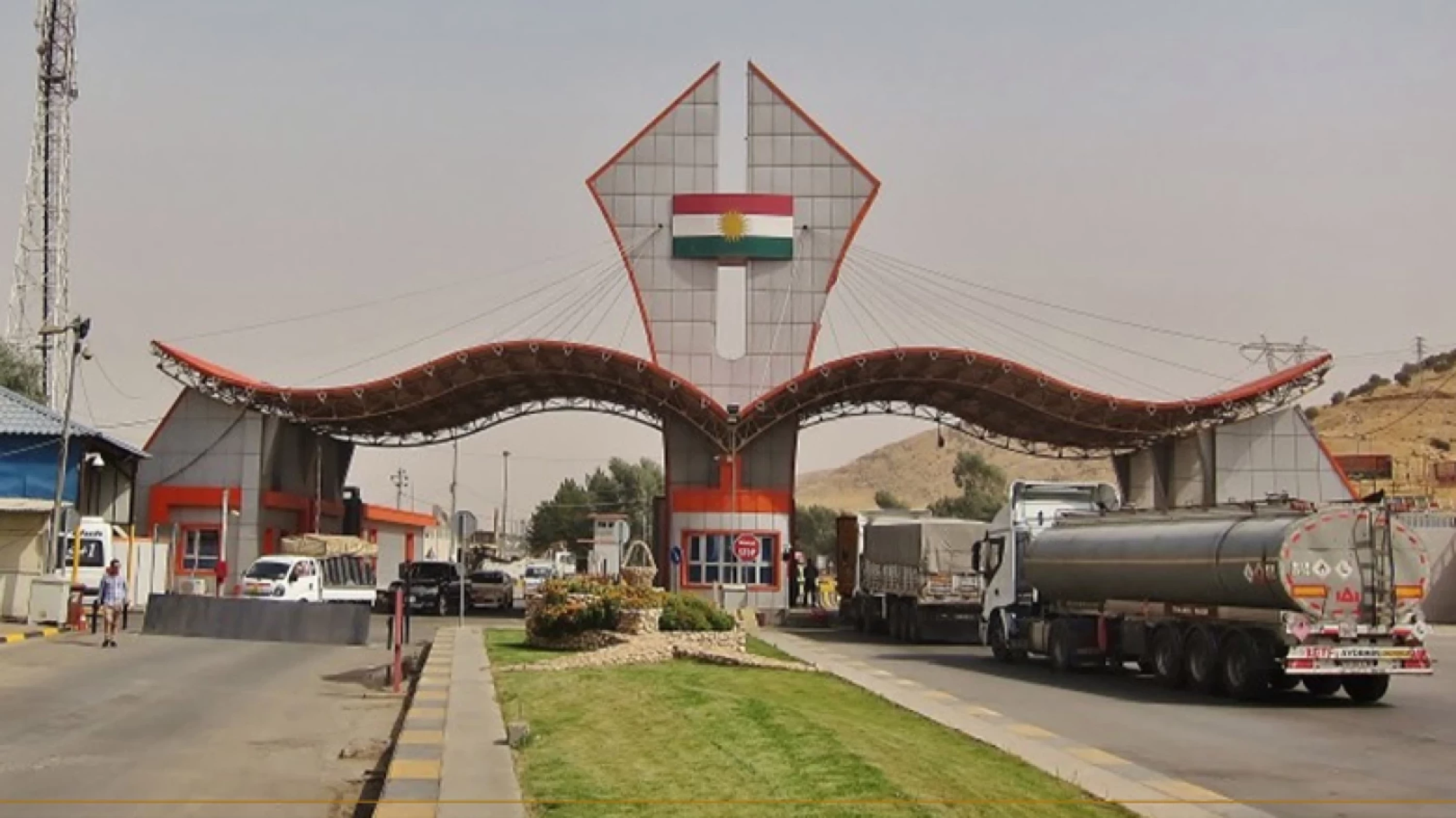
ERBIL, Kurdistan Region of Iraq – A delegation from the Kurdistan Regional Government (KRG) is set to depart to Baghdad on Wednesday, with the aim of holding talks with Iraqi officials regarding the differences in Erbil and Baghdad's viewpoints on customs and border affairs.
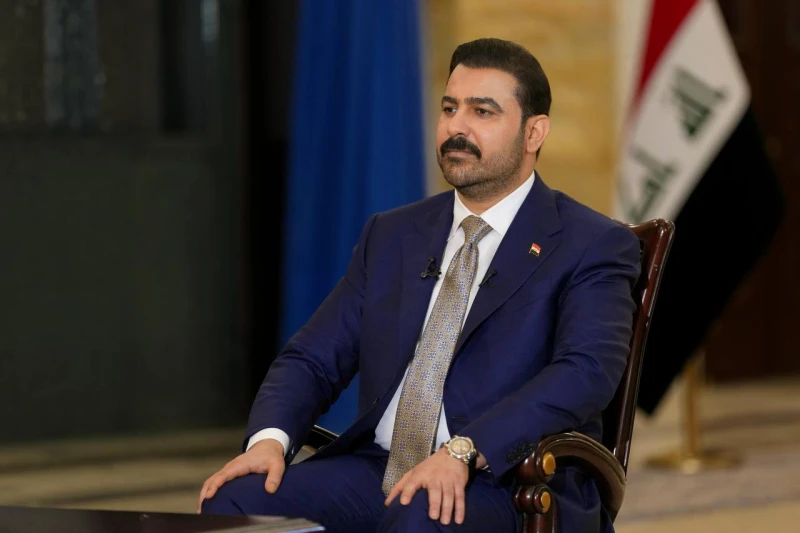
"This evening, heading a delegation alongside a technical team, we will visit Baghdad. It is scheduled that tomorrow we will hold an important meeting with Samer Qasim, the Director General of Iraqi Customs. We will present, in detail, the issues facing KRG traders caused by the unilateral implementation of the customs tariff," Sami Jalal, the delegation's head, told The New Region on Wednesday.
The visit aims to resolve disagreements between Erbil and Baghdad regarding customs affairs. The Iraqi government has decided to implement the ASYCUDA international customs system across the country.
The KRG, however, has requested that its customs system remain intact, arguing that it is more advanced than ASYCUDA, with features such as barcodes and QR codes showcasing all necessary information.
ASYCUDA is an international customs management system that provides the ability to record basic information about imported commercial goods and their type, as well as providing facilities for their transport procedures.
Baghdad wants to integrate Erbil’s customs more directly with the national customs automation system, so that companies in the KRG can operate under the same import and export conditions as those in the rest of Iraq.
The New Region understands that the visit will focus on unifying and resolving issues regarding Cabinet Resolution 270, which mainly drives the ASYCUDA initiative, and Baghdad's unilateral decision to implement the new customs policy.
Another KRG delegation conducted a similar visit to the Iraqi capital in late October revolving around the same issue, consisting of interior ministry advisor Sami Jamal, customs head Kamal Raouf, and taxes and state properties head Kamal Taib.
Disputes over the system’s implementation have created obstacles for traders and companies in the Kurdistan Region for years, negatively affecting the local market and the economy.
 Facebook
 LinkedIn
 Telegram
 X
X