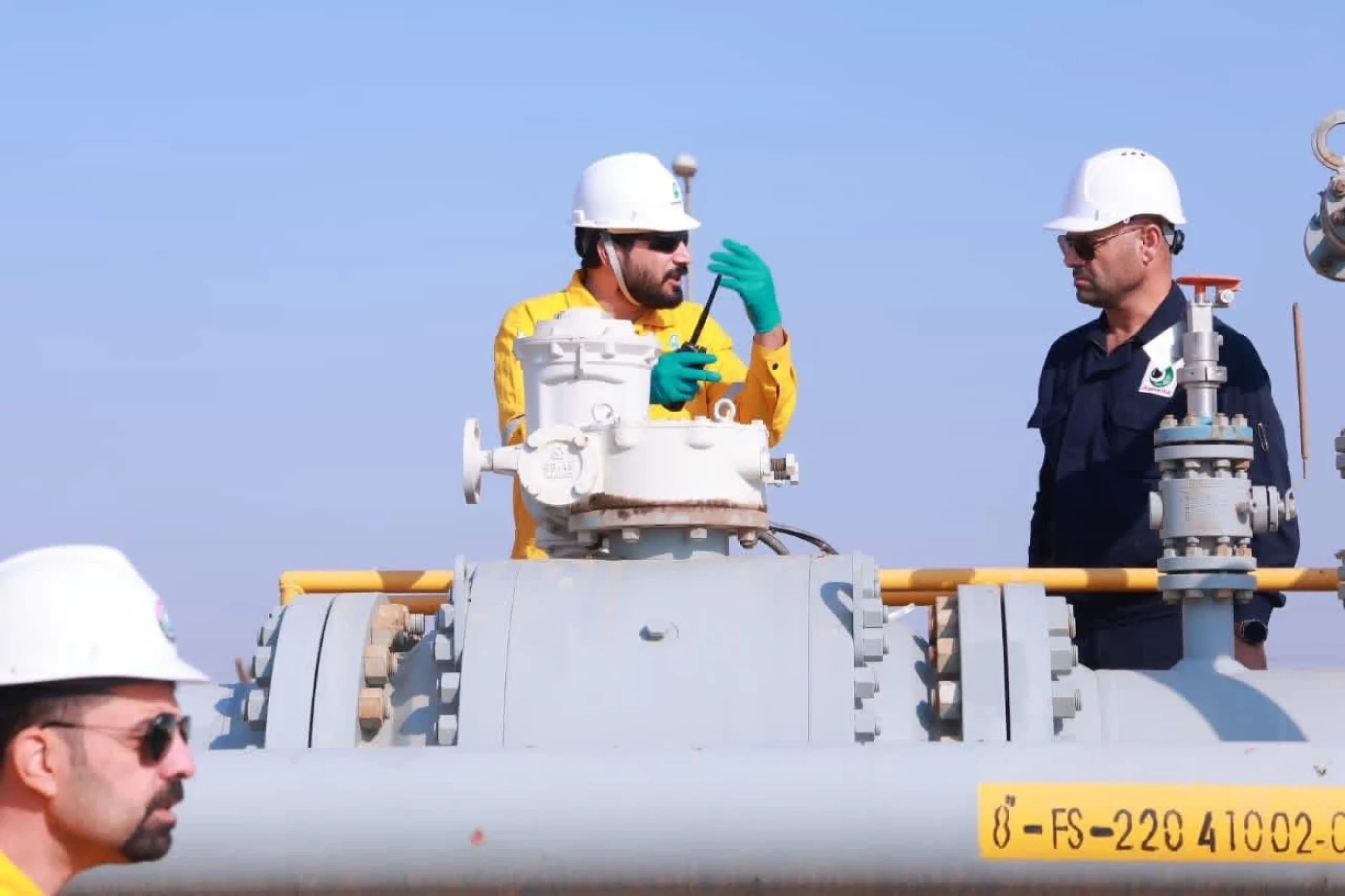
ERBIL, Kurdistan Region of Iraq – Iraq's southern Dhi Qar province is set to reach production rates of 320,000 barrels per day in the coming months across two oil fields, with Nasiriyah producing 90,000 barrels per day while Garraf is projected to reach a rate of 230,000 barrels in the coming months, an oil official said on Wednesday.
The Nasiriyah field jumped from 52,000 to 85,000 barrels a day in 2025 with the connection of ten new oil wells, with an additional oil well added in January 2026 bumping the number up to 90,000 barrels a day, Director General of Dhi Qar Oil Company Saeed Zughair told The New Region on Wednesday, adding that the field is "managed entirely by Iraqi national personnel."
The Garraf field, meanwhile, which is operated by the Malaysian Petronas company, is on track to reach a peak capacity of 230,000 barrels per day within the coming months, "a figure planned within the design capacities of the planned facilities," Zughair explained.
Oil sales account for over 90 percent of Iraq's annual revenue, with exports generating around $6-8 billion on a monthly basis for the country. The state’s economy and spendings are highly dependent on its oil sector.
Iraq’s current production capacity sits at around 4 million barrels per day, according to an agreement with OPEC+, of which nearly 700,000 barrels are used domestically.
"These developments reflect a growing momentum in the southern oil sector and contribute to boosting national revenues and supporting the Iraqi economy through well-considered and sustainable steps," Zughair said.
Iraq pocketed over $6.3 billion in December oil revenues. While the projected higher oil production in Dhi Qar boosts Iraq's annual revenues, the country's dependency on oil has previously seen Baghdad struggle with weathering crises as oil prices fluctuate on the global market.
 Facebook
 LinkedIn
 Telegram
 X
X