ERBIL, Kurdistan Region of Iraq – Mazloum Abdi, commander of the Kurdish-led Syrian Democratic Forces (SDF), briefed French Foreign Minister Jean-Noel Barrot and Kurdistan Region President Nechirvan Barzani on details of the newly reached agreement between Damascus and Rojava following January clashes during his visit to Erbil on Thursday.
Abdi said in a statement on Friday that during his meeting with Barrot, “the details of implementing the January 29 agreement were discussed, as well as continuing the fight against ISIS and ways to protect the detention facilities holding ISIS families and captured fighters,” he wrote in a post on X.
He stressed that the integration of military and security forces “in all its details,” including the Women’s Protection Units (YPJ) , was among the topics discussed. Abdi's delegation also included YPJ commander Rohilat Afrin and co-chair of the Kurdish-led Autonomous Administration of North and East Syria (AANES) Ilham Ahmed.
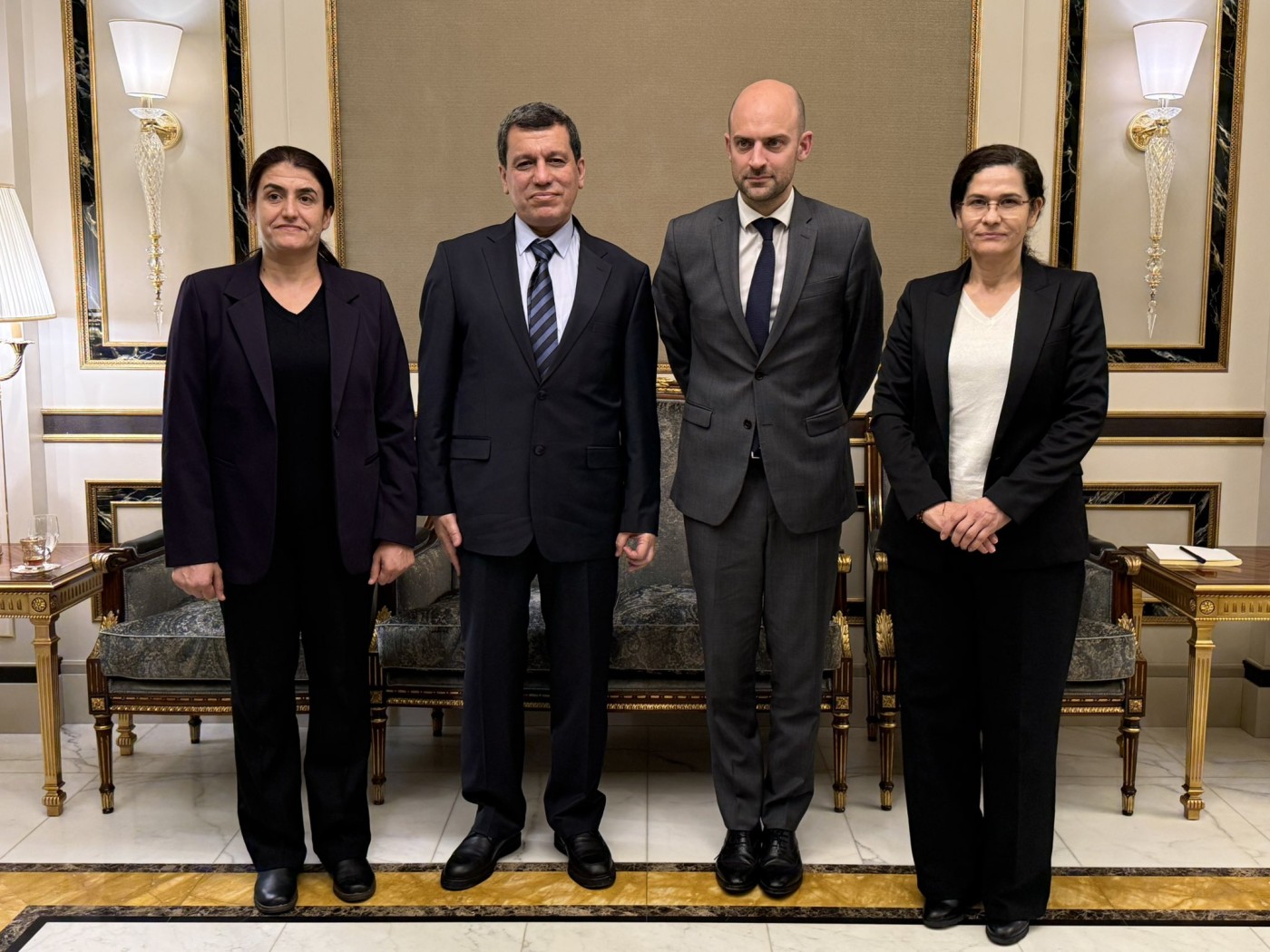
From left: YPJ commander Rohilat Afrin, SDF chief Mazloum Abdi, French Foreign Minister Jean-Noel Barrot, and AANES co-chair Ilham Ahmed
“Protecting the specificity of Kurdish areas and safeguarding the rights of Kurds in Syria” was also addressed, according to Abdi.
For his part, Barrot focused on “the importance of full implementation of the agreement,” while expressing France’s support for this phase, the statement added.
"In turn, the leadership of the Syrian Democratic Forces renewed its commitment to implementing the January 29 agreement, continuing the work in combating ISIS, and ensuring the security of detention facilities holding ISIS fighters and their families," read an SDF statement following Abdi's meeting with Barrot.
In late January, SDF announced that it has reached a “comprehensive agreement” with Damascus that will see a phased integration process of the Kurdish-led forces into the Syrian state after weeks-long clashes between both sides.
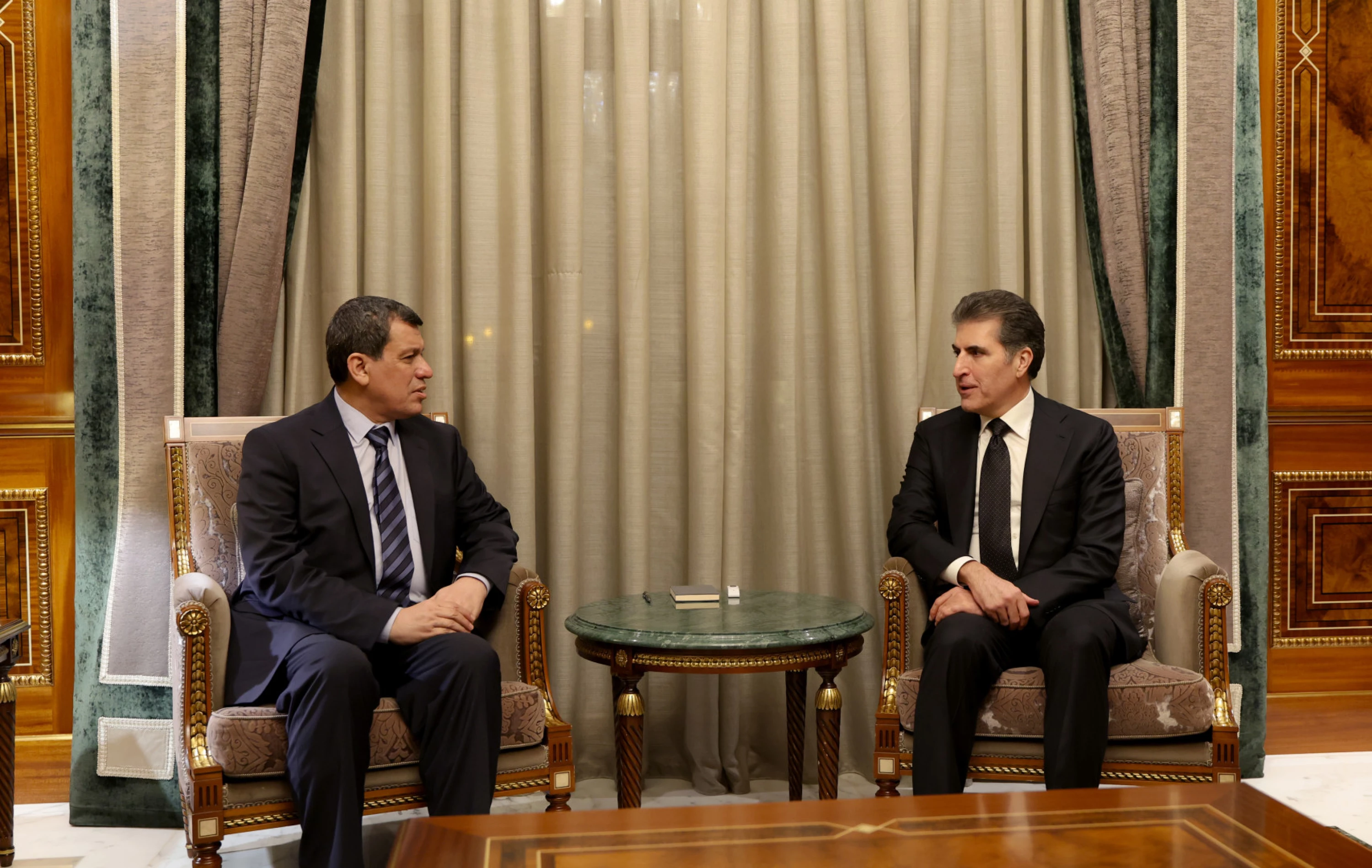
The SDF commander and his accompanying delegation were received by Kurdistan Region President Nechirvan Barzani on Thursday in Erbil, where the French top diplomat was also welcomed the same day.
The SDF commander, during his meeting with Barzani, presented a briefing on the “situation in the region and the negotiations with Damascus and international parties,” while expressing appreciation for the role of Erbil and President Barzani in “supporting the legitimate rights of the Kurdish people and efforts to ease tensions,” the Kurdistan Region Presidency said in a statement on Thursday.
Kurdistan Region President Barzani reiterated Erbil’s support for the “peaceful resolution of issues.”
He also stressed the importance of “continuing dialogue between the parties and protecting the rights of all communities, including the Kurdish people, within the framework of a united Syria.”
The Kurdish-led Rojava delegation met several times in Erbil with other Kurdish leaders and US representatives in an effort to reach a resolution to Damascus’s offensive.
Earlier in January, the Syrian Arab Army and its affiliated factions launched a violent military campaign on Rojava in a bid to secure Ahmed al-Sharaa’s vision of a centralized Syria, killing hundreds of fighters and civilians in the process, with the attacking Syrian forces violating ceasefires, committing human rights violations, and possibly war crimes in their offensive.
The offensive sparked massive demonstration movements from Kurds across the Kurdistan Region and the Kurdish-majority southeast Turkey, with daily protests held across the world in solidarity with Rojava.
During Thursday’s meeting, the threats of terrorism and ISIS activity in the region were discussed, with both sides agreeing that coordination between the parties and support from the international coalition are “key factors in protecting the security of the region in general.”
The clashes resulted in the breaching of several detention facilities in northern Syria housing veteran ISIS fighters, with a large number of detainees reported to have been released. Both sides have accused the other of the security breaches.
 Facebook
 LinkedIn
 Telegram
 X
X