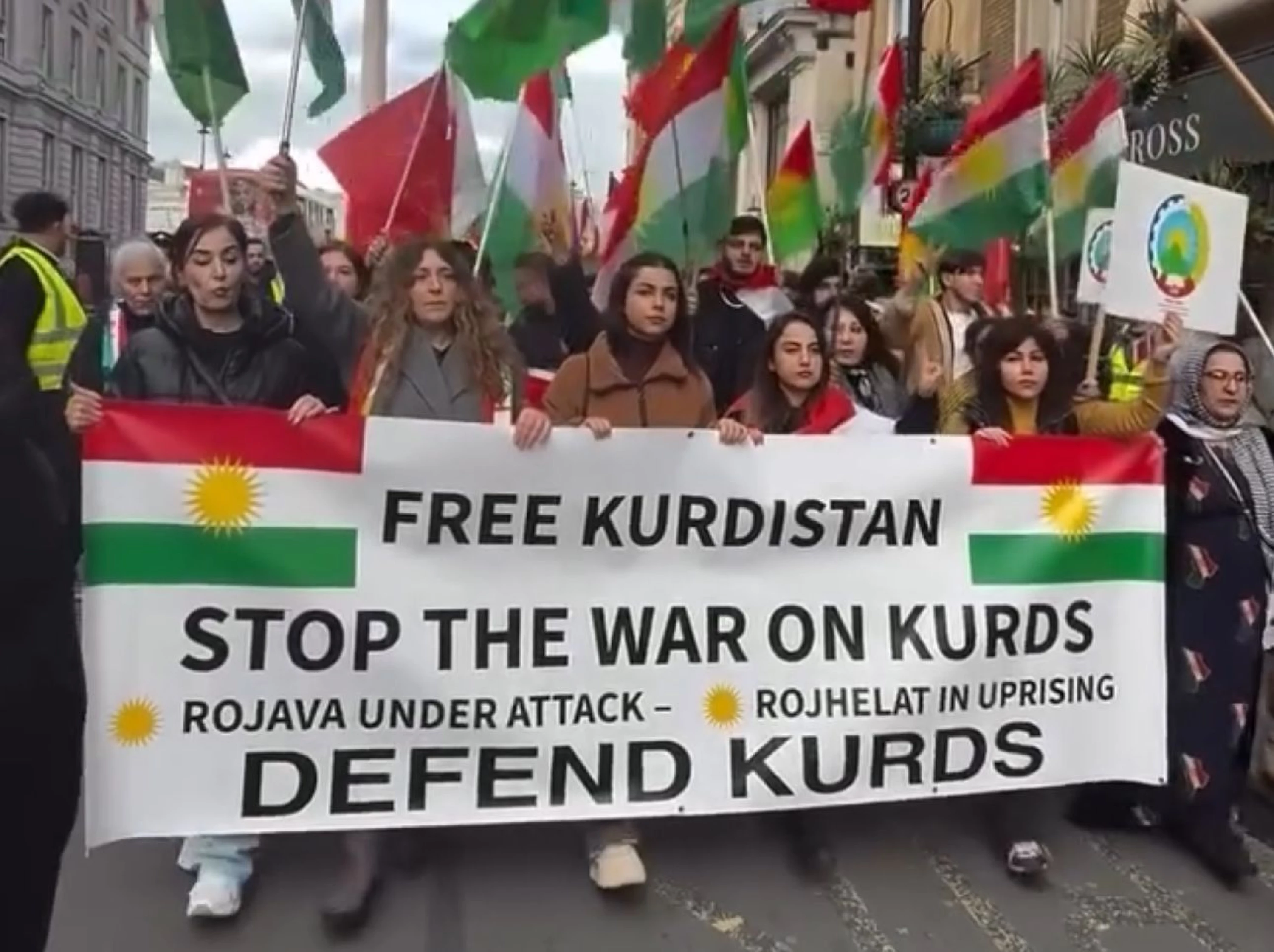
ERBIL, Kurdistan Region of Iraq – Iran’s January crackdown on protesters has left at least 257 Kurdish citizens from Western Iran’s (Rojhelat) dead, including 20 minors and 19 women, according to a human rights watchdog, as the overall death toll continues to rise.
Rojhelat’s Kurdish-majority Kermanshah province recorded the “highest number of civilian casualties,” with 145 deaths reported, according to a Saturday report from the Oslo-based Hengaw Human Rights Organization, followed by Kurdistan and Ilam provinces.
Iran has been rocked by nationwide protests since late last year, which have spread to the majority of provinces and increasingly become anti-government in nature, prompting a violent crackdown from Iranian authorities.
No reliable data is available on the exact number of casualties, but rights monitors estimate it to be in the thousands. The US-based Human Rights Activists News Agency (HRANA) reports that security forces have killed more than 6,955 protesters, injured over 11,000, and arrested more than 51,000.
The monitors argue that the numbers could be higher due to limited access to information.
Since January 8, Iran has intensified its crackdown on protesters, cut communication services and imposed a nationwide internet blackout, a repeated tactic during unrest that has made it significantly harder to obtain information.
With the blackout, state media have begun airing alleged confession documentaries, including interviews with families of the dead backing up the state’s narratives of the protests, a tactic that rights groups have described and criticized as “forced confessions.”
The alleged confessions and videos are widely believed to be coerced, often obtained under threats, psychological pressure, and in some cases physical torture.
HRANA reported that 245 forced confessions have been broadcast so far.
Many Iranians are grappling with economic hardship under years of harsh sanctions. This crisis is exacerbated in Rojhelat, which has long been underdeveloped, facing limited job opportunities and a lack of government investment.
The Islamic Republic has labeled the recent protests as a continuation of June’s 12-day war, a move it has used to justify its intense crackdown and mass killings, saying the measures were necessary to confront what it alleges to be US- and Israel-linked elements on the streets.
 Facebook
 LinkedIn
 Telegram
 X
X