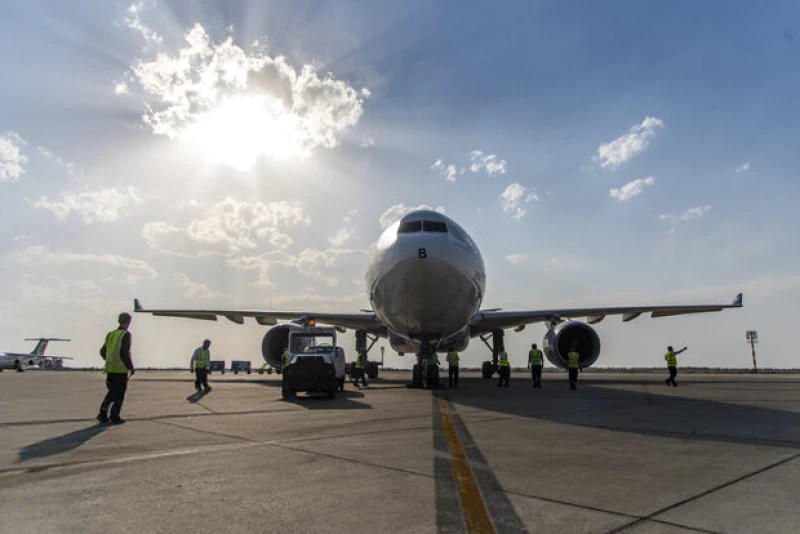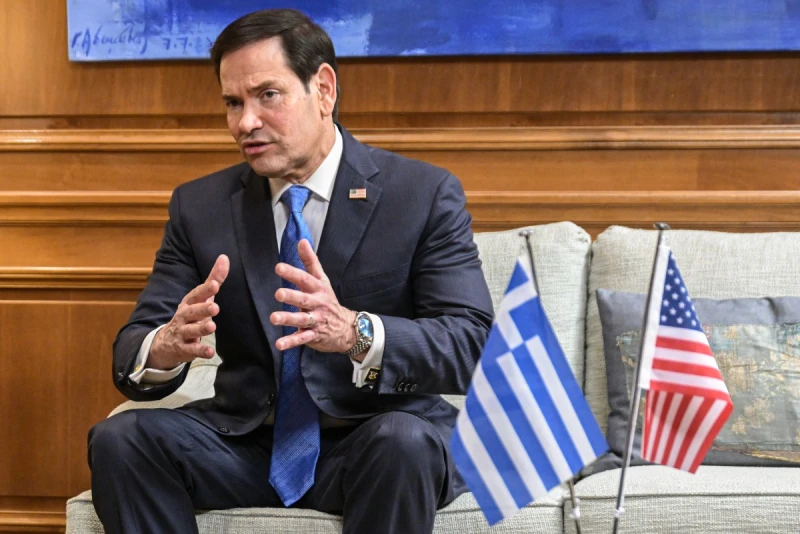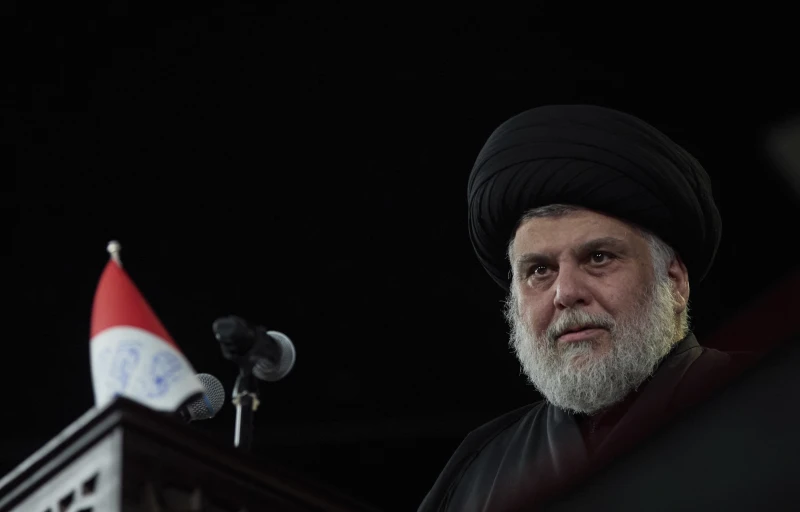
ERBIL, Kurdistan Region of Iraq – The deployment of US military assets to the Middle East “does not scare” Iran, its foreign minister said on Sunday, days after Tehran and Washington held indirect nuclear talks.
Iran and the US held indirect nuclear talks in Muscat on Friday, marking the first time the two sides have sat down for negotiations since June of last year.
US President Donald Trump has repeatedly dangled the threat of military intervention, deploying a “massive armada” near Iran and mulling action in support of Iranian protesters, upon whom the government has launched a brutal crackdown.
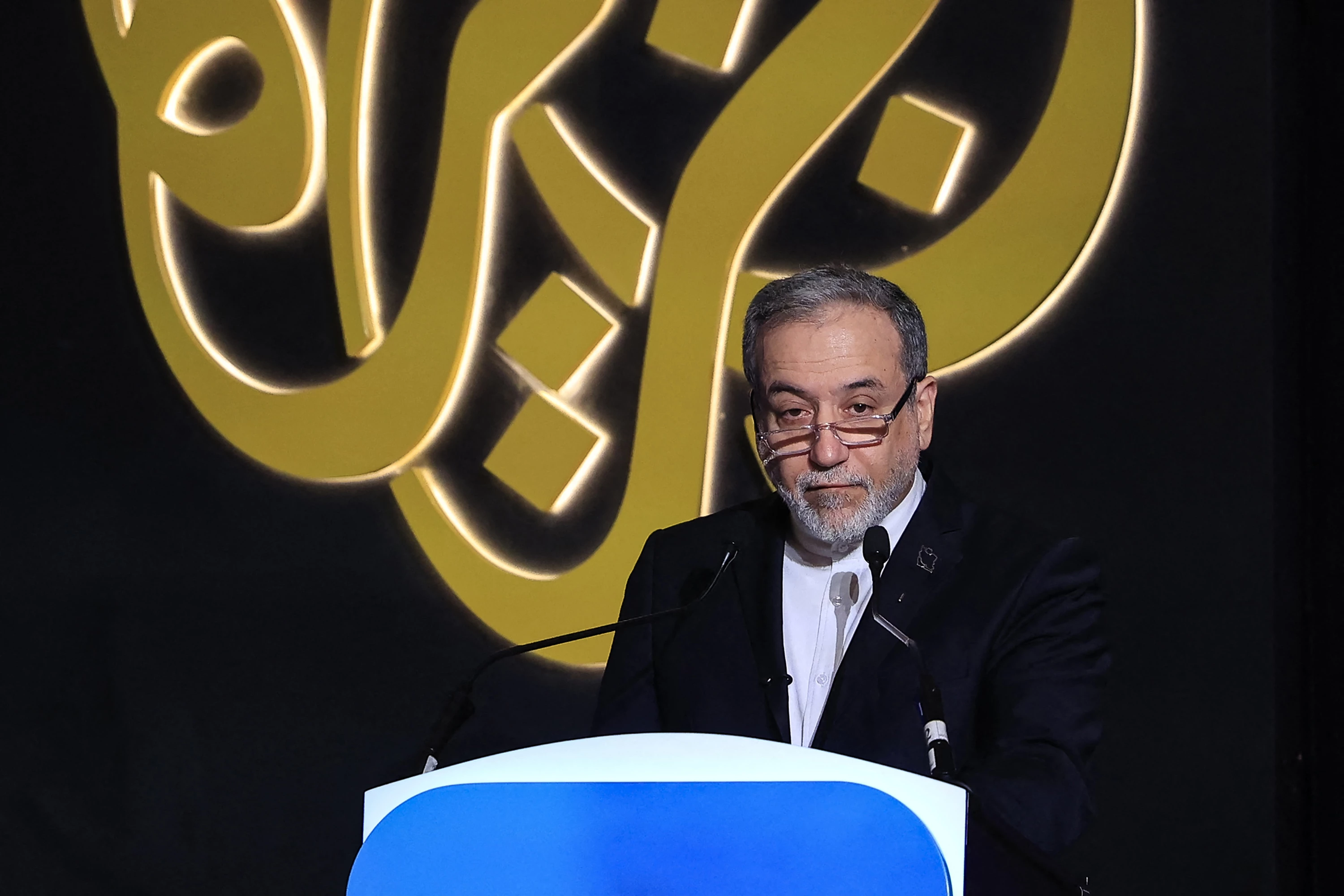
“Their military deployment does not scare us. We are people of democracy and ready for war, not warmongers,” said Iranian Foreign Minister Abbas Araghchi, who is Tehran’s chief negotiator in the nuclear talks.
He stressed that Tehran has “paid a high price” for its “peaceful” nuclear program, calling it a “necessity” for the country.
“No one has the right to tell us what to have and what not to have. It is our right to enrich, and it concerns ourselves,” Araghchi asserted. “Iran must prove that it takes orders from no one.”
Talks between Tehran and Washington broke down in June 2025 after Israel launched a full-fledged war against the Islamic republic – which drew the participation of the US.
Dubbed a betrayal of diplomacy by Iranian officials, Araghchi has repeatedly cited the attacks as a barrier to trusting any negotiations with the US, demanding that talks “must be free from any threats or pressure."
“If we had not resisted in the 12-day war and had surrendered to their demands, a shameful mark would have been recorded in Iran’s history that would remain forever,” he stated.
On Sunday, Iranian President Masoud Pezeshkian praised the latest indirect nuclear talks as a “step forward,” stressing that the Islamic republic wants its rights under the Non-Proliferation Treaty (NPT) safeguarded.
“The Iran-US talks, which were held with the support of friendly governments in the region, were a step forward. Dialogue has always been our strategy for a peaceful resolution,” Pezeshkian said in a statement.
“Our logic in nuclear matters is the rights enshrined in the Non-Proliferation Treaty,” he added.
Iran has been a signatory to the NPT since 1970 but has faced intense criticism over its uranium enrichment program, with Western powers and the International Atomic Energy Agency (IAEA) repeatedly highlighting breaches in compliance.
“The Iranian nation has always responded to respect with respect, but it will not tolerate the language of force,” Pezeshkian affirmed.
US President Donald Trump on Saturday described the opening round of new nuclear talks with Iran as “very good” while doubling down on his threat of a US naval fleet approaching Iranian waters.
"We’re going to meet again early next week, and they want to make a deal, Iran, as they should want to make a deal. They know the consequences if they don’t. If they don’t make a deal, the consequences are very steep. So we’ll see what happens," Trump said.
The talks in Muscat have primarily focused on Iran’s nuclear program, the raison d'etre of crippling sanctions imposed by Western powers on the country. The US has also demanded that Iran terminate its ballistic missile program.
Tehran has repeatedly said that its ballistic missile program is “not subject to negotiation,” insisting on its right to defend the country, as well as its right to pursue the peaceful use of nuclear energy.
 Facebook
 LinkedIn
 Telegram
 X
X