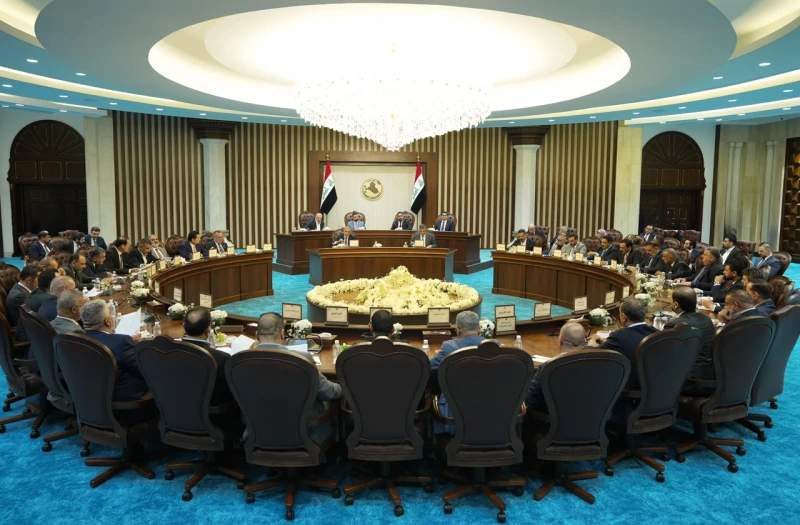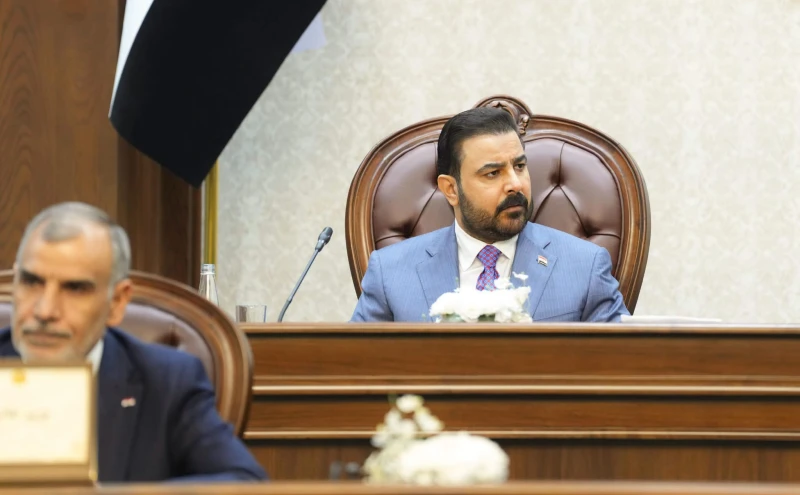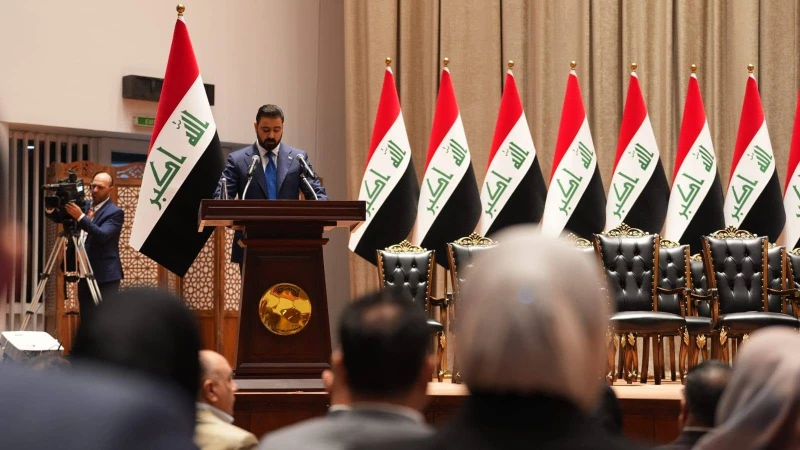

ERBIL, Kurdistan Region of Iraq – Scores of Iraqi merchants gathered in front of the Iraqi customs authority building on Sunday morning to protest the newly-applied tariffs imposed on non-essential items.
Iraq’s General Authority of Customs has announced the application of new customs tariffs of 15 percent on “luxury goods,” starting from January 1, 2026.
The Iraqi government has decided to implement the ASYCUDA international customs system across the country.
ASYCUDA is a customs management system that provides the ability to record basic information about imported commercial goods and their type, as well as providing facilities for their transport procedures.
In recent years, Baghdad has periodically adjusted customs tariffs as part of broader efforts to boost non-oil revenues, protect domestic industries, and curb reliance on imports.
Traders, however, have repeatedly warned that sudden tariff changes raise costs, disrupt supply chains, and risk driving up consumer prices in an economy still heavily dependent on imports.
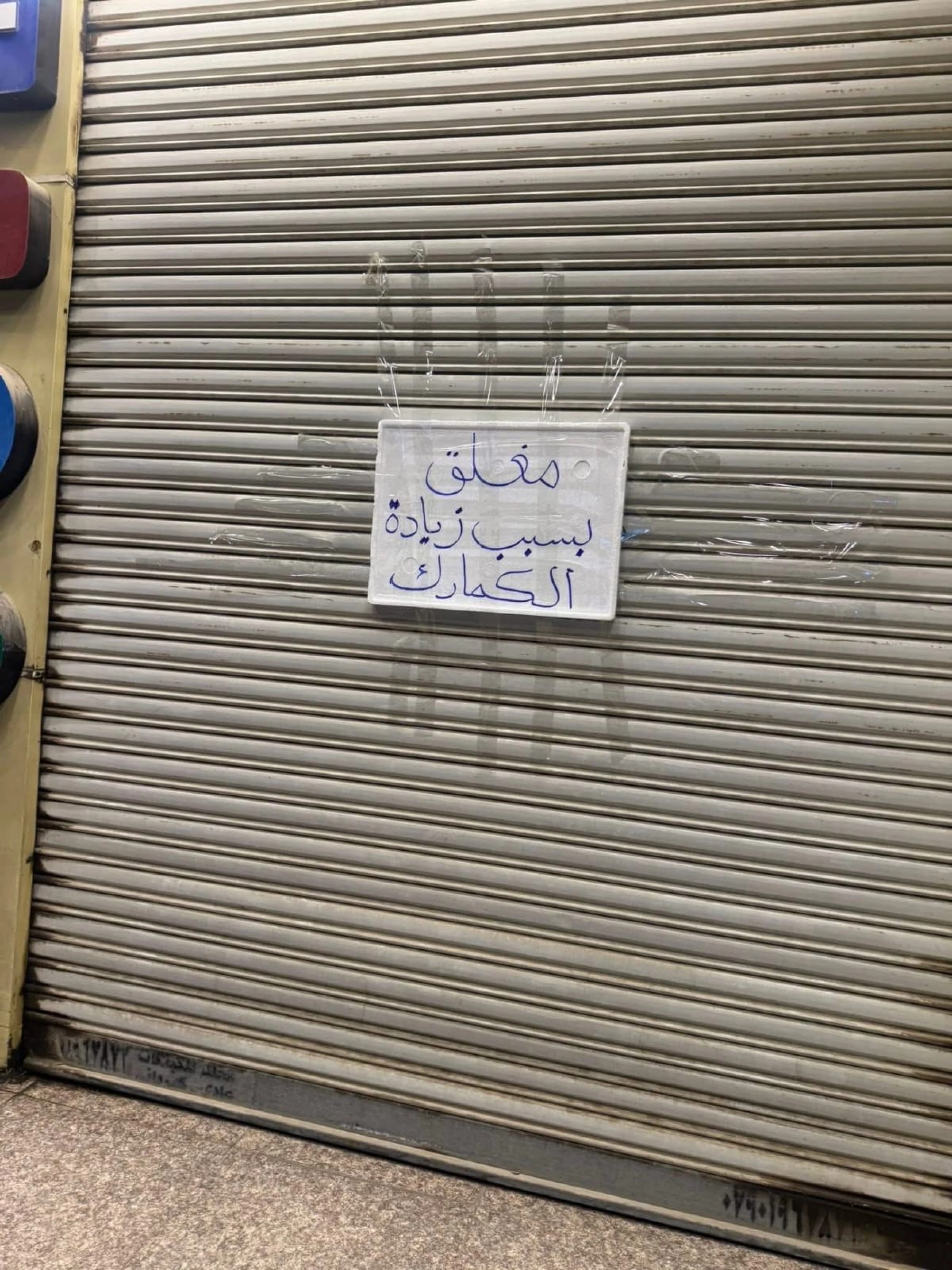
Dozens of businesses in Baghdad have gone on strike, shutting their doors in response to the increased tariffs, according to local media reports.
Baghdad is also pressuring Erbil to implement ASYCUDA, but the Kurdistan Regional Government (KRG) has requested that its customs system remain intact, arguing that it is more advanced than ASYCUDA, with features such as barcodes and QR codes showcasing all necessary information.
The Iraqi government wants to integrate the KRG’s customs to ensure that companies in the Kurdistan Region can operate under the same import and export conditions as those in the rest of Iraq.
In late November, Iraq reported over $1.6 billion in border revenues for 2025, the highest recorded since 2003.
 Facebook
 LinkedIn
 Telegram
 X
X