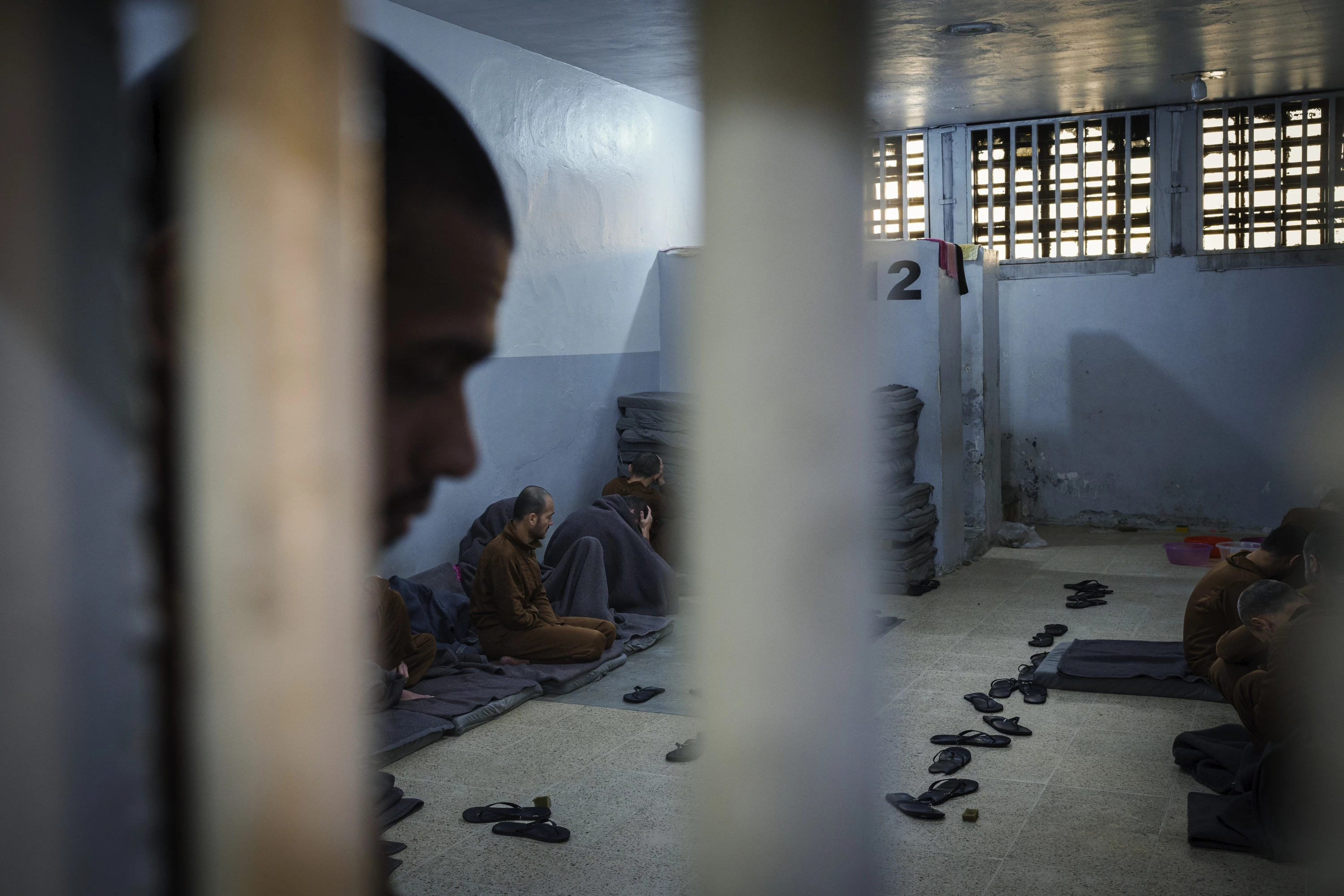
ERBIL, Kurdistan Region of Iraq - Prisoners transferred to Iraq from Islamic State (ISIS) detention facilities in Rojava (northeast Syria) include individuals from 42 nationalities, the Supreme Judicial Council said on Sunday, with Baghdad continuing to collaborate with relevant countries to repatriate their nationals.
Baghdad is coordinating with Washington to transfer some 7,000 ISIS prisoners from facilities in Syria to secure areas in Iraq, amid uncertainties in Syria after government-aligned factions took control of key detention sites from the Kurdish-led Syrian Democratic Forces (SDF).
"Approximately 42 foreign countries have ISIS members among the estimated 7,000 to 8,000 individuals,” Assistant Head of the National Center for International Judicial Cooperation at the Supreme Judicial Council Ali Dhia told state media.
Dhia’s statements came following a meeting at the Supreme Judicial Council chaired by the Council’s President Faiq Zaidan, where it was decided to assign the investigation process of the accused to the First Karkh Investigation Court in Baghdad concerned with terrorism cases.
The investigation procedures are expected to be completed within four to six months, according to the official.
Meanwhile, Saad Maan, head of Iraq’s Security Media Cell, told state media that priority will be given to the cases of those who committed crimes in Iraq while the foreign ministry coordinates with other countries to repatriate their nationals.
However, the extradition of ISIS detainees to their countries of origin “cannot be discussed before the investigation procedures are completed,” according to the Council’s official.
“The initial investigations revealed that a number of them are considered extremely dangerous, including leaders of ISIS terrorist gangs and perpetrators of genocide and crimes against humanity,” Dhia said, noting that other charges include “use of chemical weapons” in Iraq during the extremist group’s reign of terror.
Iraq's Security Media Cell on Saturday announced that it has so far received 2,250 following the transfer agreement with the Kurdish-led forces.
The US military and the Global Coalition to Defeat ISIS have been heavily involved in facilitating the transfers, with US National Counterterrorism Center Director Joe Kent visiting Baghdad in January to meet with Iraqi security officials on the matter.
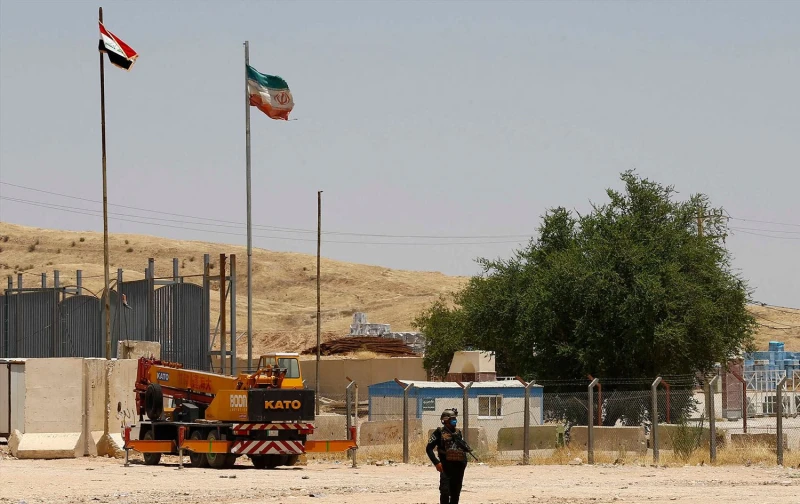
The risk of ISIS remnants exploiting the Iraq-Syria border area has long been noted, with authorities having endeavored to secure crossing points and manage cross-border traffic.
About 80 percent of a concrete wall stretching roughly 600 kilometers along the border has been completed as part of a multi-layered defense system that includes barbed wire, deep trenches, and thermal cameras.
 Facebook
 LinkedIn
 Telegram
 X
X