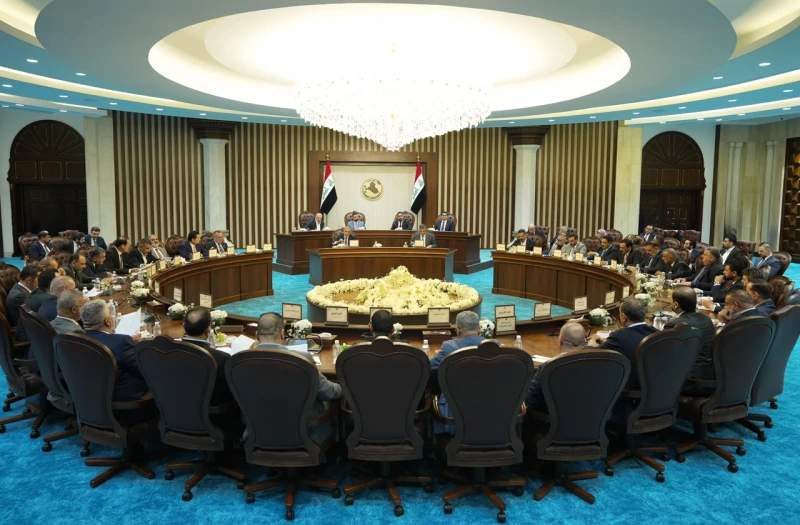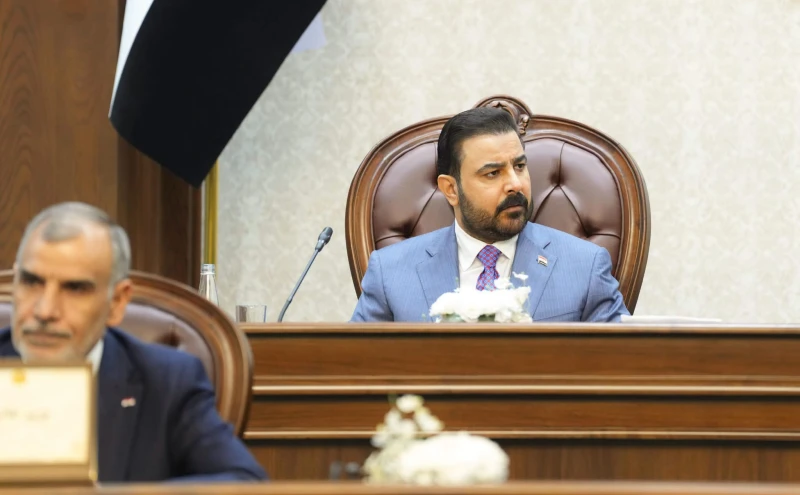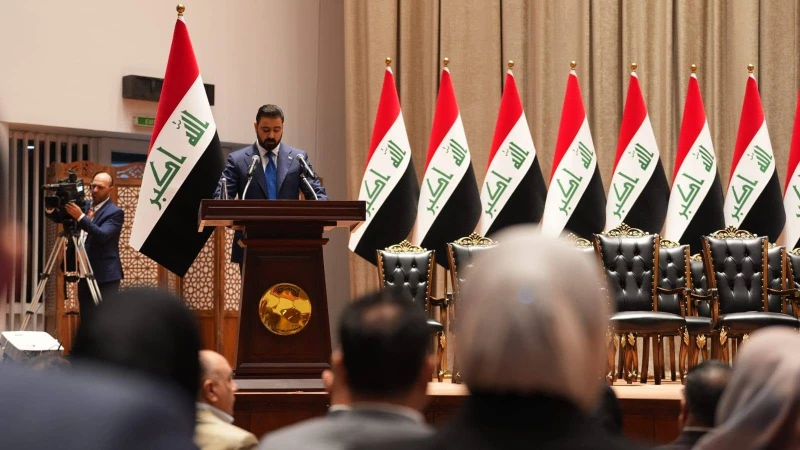
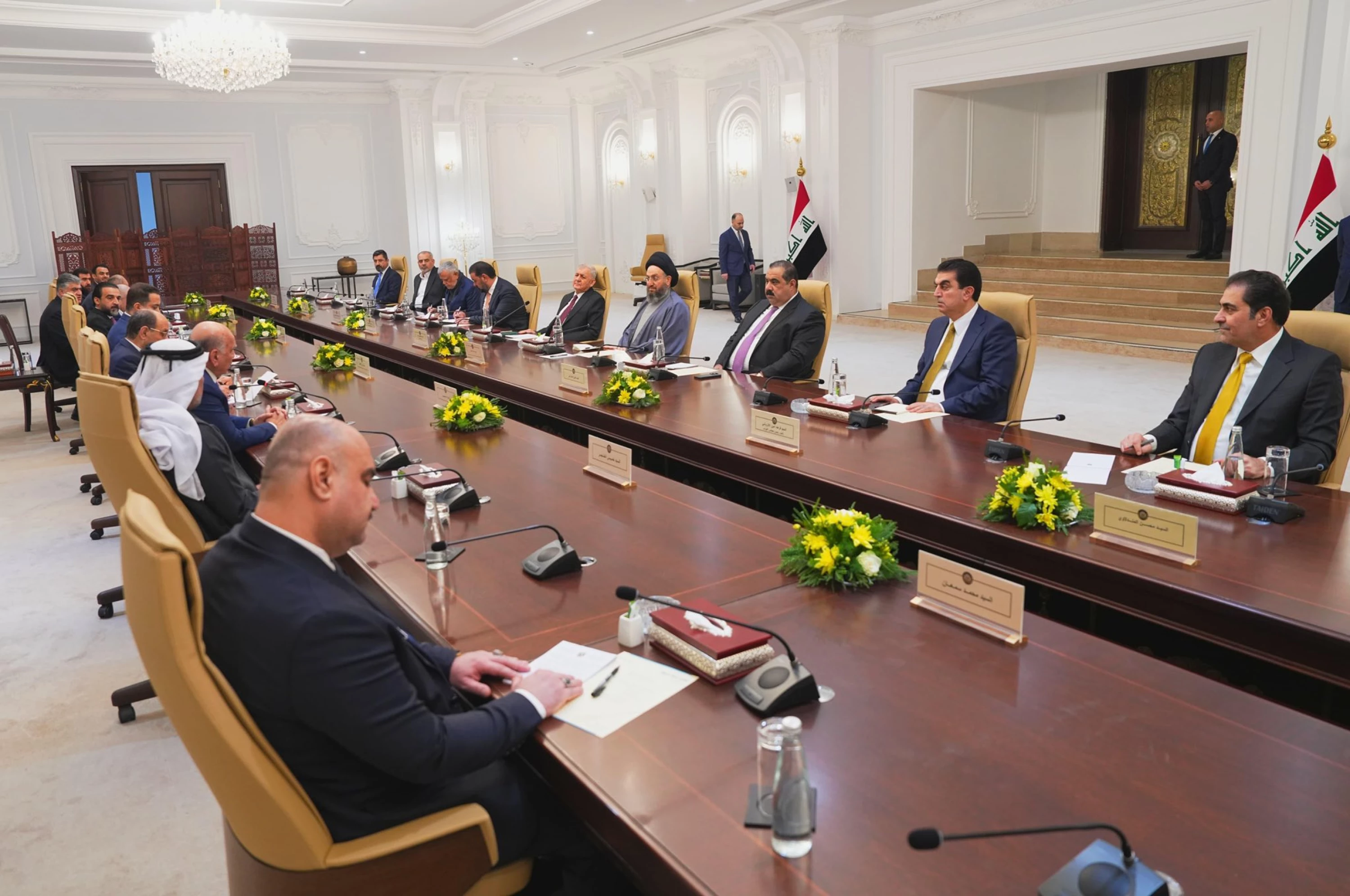
ERBIL, Kurdistan Region of Iraq - A meeting of Iraq's State Administration Coalition saw high-level leaders discuss US-Iran talks, the country's economy, and the receipt of Islamic State (ISIS) prisoners from Rojava (northeast Syria), according to the office of Iraqi Prime Minister Mohammed Shia' al-Sudani, with the expected topics of the hotly contested Iraqi presidency and premiership not being mentioned as items of discussion.
Speculation was rife that the meeting, which included prominent political figures such as Patriotic Union of Kurdistan (PUK) leader Bafel Talabani, State of Law Coalition head and prime minister hopeful Nouri al-Maliki, and Taqaddum Party chief Mohammed al-Halbousi among others, would discuss the Iraqi presidency, on which the PUK and the Kurdistan Democratic Party (KDP) are at loggerheads, and the premiership, which has caused turmoil after US President Donald Trump rejected Maliki's candidacy.
"The meeting discussed a number of strategic issues at the local, regional, and international levels," read the statement from Sudani's office.
The coalition welcomed the recent recommencement of indirect talks between Washington and Tehran over the latter's nuclear program in Oman, calling for "the adoption of serious dialogue and prioritizing negotiation options to spare the region and the world the ravages of war."
Previous rounds of similar talks in 2025 were interrupted when Israel launched a full-fledged aerial campaign against Iran that eventually saw US participation, with Iranian officials having repeatedly spoken of their mistrust for Trump's commitment to dialogue since.
"While the State Administration Coalition commended the efforts of Arab and Islamic countries to prevent the outbreak of war, it rejected the threats against the Islamic Republic of Iran, which violate all international norms and conventions."
Trump has explicitly threatened fresh military intervention against Iran amid a brutal crackdown on anti-government protesters, repeatedly boasting of a "massive armada" en route to the region.
The leaders also spoke of Iraq's economic situation, focusing on "strengthening constructive strategic solutions," as well as the importance of halting smuggling and tax evasion.
Also on the agenda was the transfer of ISIS prisoners from Rojava in accordance with an agreement reached in January when Syrian state forces launched a brutal offensive against the Kurdish-led administration in Rojava, raising fears that detainees would avail of the turmoil to escape holding centers.
Iraq's Security Media Cell on Saturday announced that it has received "2,250 terrorists from Syria by land and air," with the prisoners set to be tried in Iraqi courts and consultations regarding the repatriation of foreign fighters remaining ongoing.
The absence of the pressing political issues from the statement from Sudani's office defied widespread media speculation that said topics would be high on the agenda.
The Iraqi presidency, traditionally reserved for Kurds, is constitutionally required to be settled by the parliament within 30 days of the new legislature's first session, with the deadline having passed in this case on January 28.
The KDP has nominated current Foreign Minister Fuad Hussein, while the PUK has fielded Nizar Amedi, Iraq’s former environment minister and head of the party’s Baghdad office. The incumbent President Abdul Latif Rashid, a senior PUK member, is running independently. Lawmaker Muthanna Amin, meanwhile, is representing Kurdish opposition parties in the race.
Iraq’s ruling Shiite Coordination Framework last week announced that it will keep Maliki, head of the State of Law Coalition and Iraq’s former prime minister, as its nominee for the country’s next premier, despite Trump’s warning that Washington will no longer help Baghdad if Maliki is elected, criticizing his "insane policies and ideologies."
 Facebook
 LinkedIn
 Telegram
 X
X