ERBIL, Kurdistan Region of Iraq – Over two-thirds of the 7,000 Islamic State (ISIS)-affiliated prisoners scheduled to be transferred from Syria have now been received by Iraq, the country's justice ministry noted on Friday, with almost 300 of the detainees being Iraqi citizens.
The number of ISIS members and affiliates transferred to Iraq “has reached 5,064, including more than 270 Iraqis [and] more than 3,000 Syrians,” with the remainder being comprised of those with other nationalities, Ministry spokesperson Ahmed Laibi told the state-owned Iraqi News Agency.
He added that the completion of the transfer procedure is underway.
“All the terrorists have been placed in one prison, and they will be investigated and tried according to Iraqi law,” he said, noting that Baghdad hosting these elements was at the ”request of the international coalition.”
Baghdad is coordinating with Washington to transfer some 7,000 ISIS prisoners from facilities in Syria to secure areas in Iraq, amid the uncertainties in Syria after government-aligned factions took control of key detention sites from the Kurdish-led Syrian Democratic Forces (SDF).
January’s violent offensive by the Syrian Arab Army on Rojava (northeast Syria) presented a major threat of ISIS members taking advantage of the security vacuum to escape facilities.
Damascus-affiliated factions have taken control of the al-Shaddadi prison and al-Hol camp in Hasaka, as well as al-Aqtan prison in Raqqa. The three sites, previously held by the SDF, house tens of thousands of ISIS members and their families, raising concerns about a potential reemergence of the group amid the instability.
AFP, citing local humanitarian sources, reported Thursday that most of the foreign families that were held in al-Hol have departed from the camp.
On the same day, Iraqi National Security Advisor Qasim al-Araji said Iraq is “keen to return displaced Iraqis from al-Hol camp to their original areas” in a way that “ensures their rehabilitation and social integration, which contributes to ending pockets of vulnerability and preventing their exploitation by extremist groups.”
“The Iraqi experience has proven that true security is not built by force alone, but rather by thought, justice, equal opportunities, and social integration,” Araji continued in remarks carried by Iraqi state media.
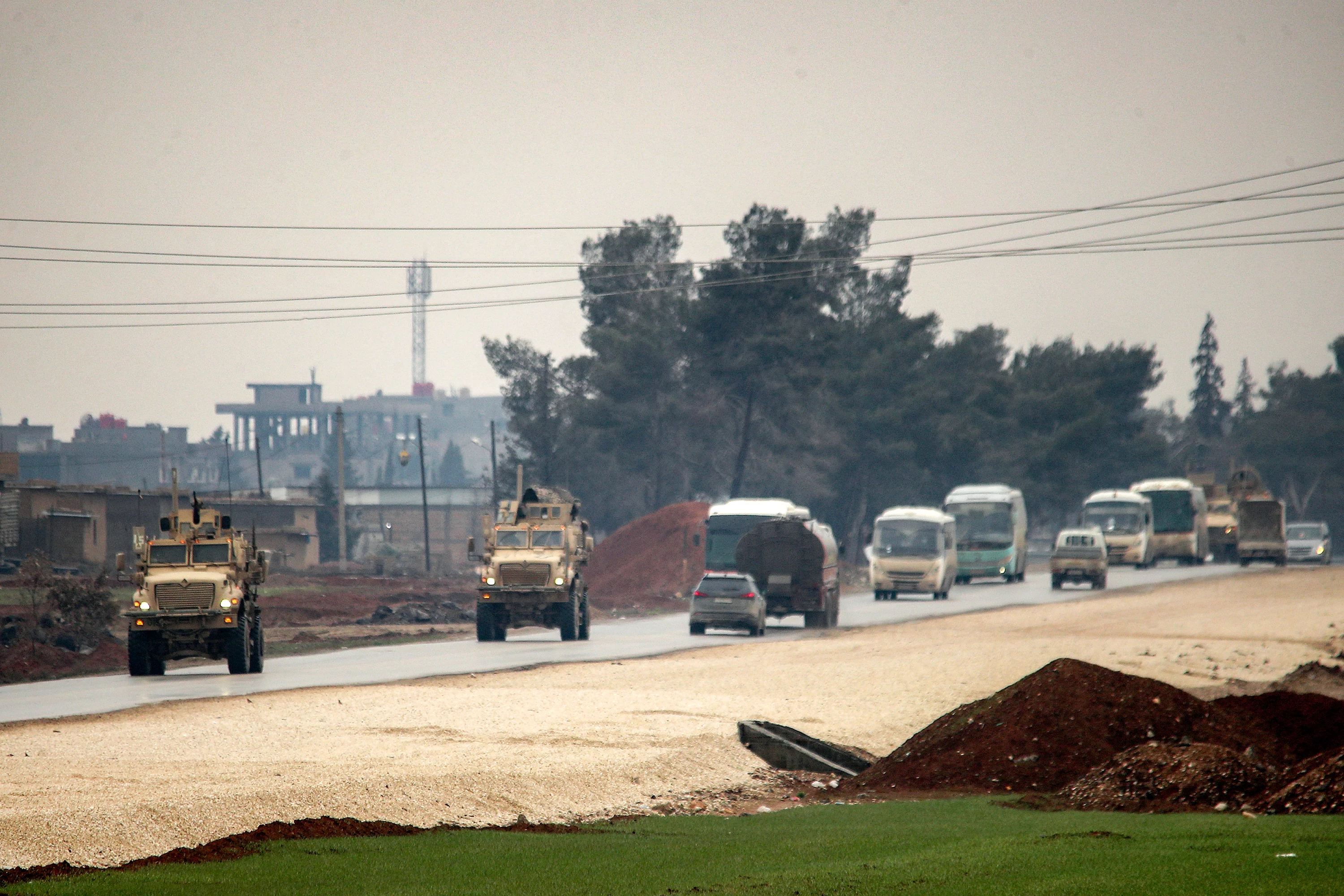
The US military and the Global Coalition to Defeat ISIS have been heavily involved in facilitating the transfers, with US National Counterterrorism Center Director Joe Kent visiting Baghdad in January to meet with Iraqi security officials on the matter.
 Facebook
 LinkedIn
 Telegram
 X
X