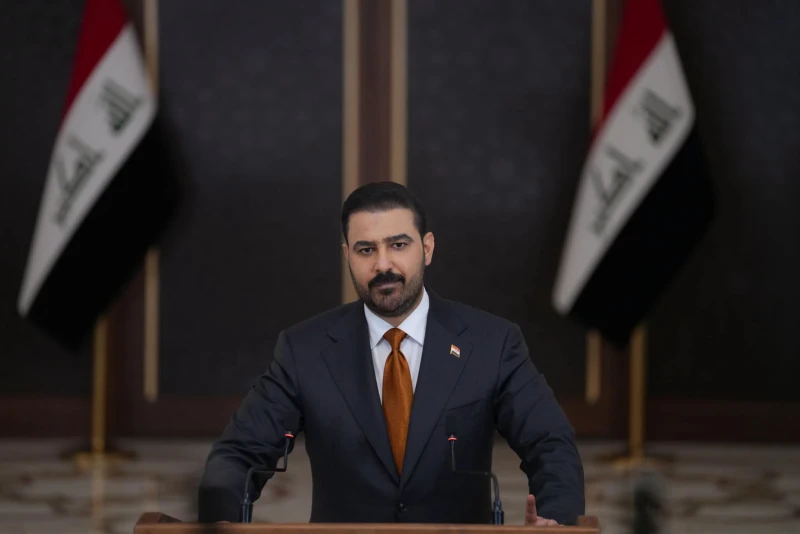
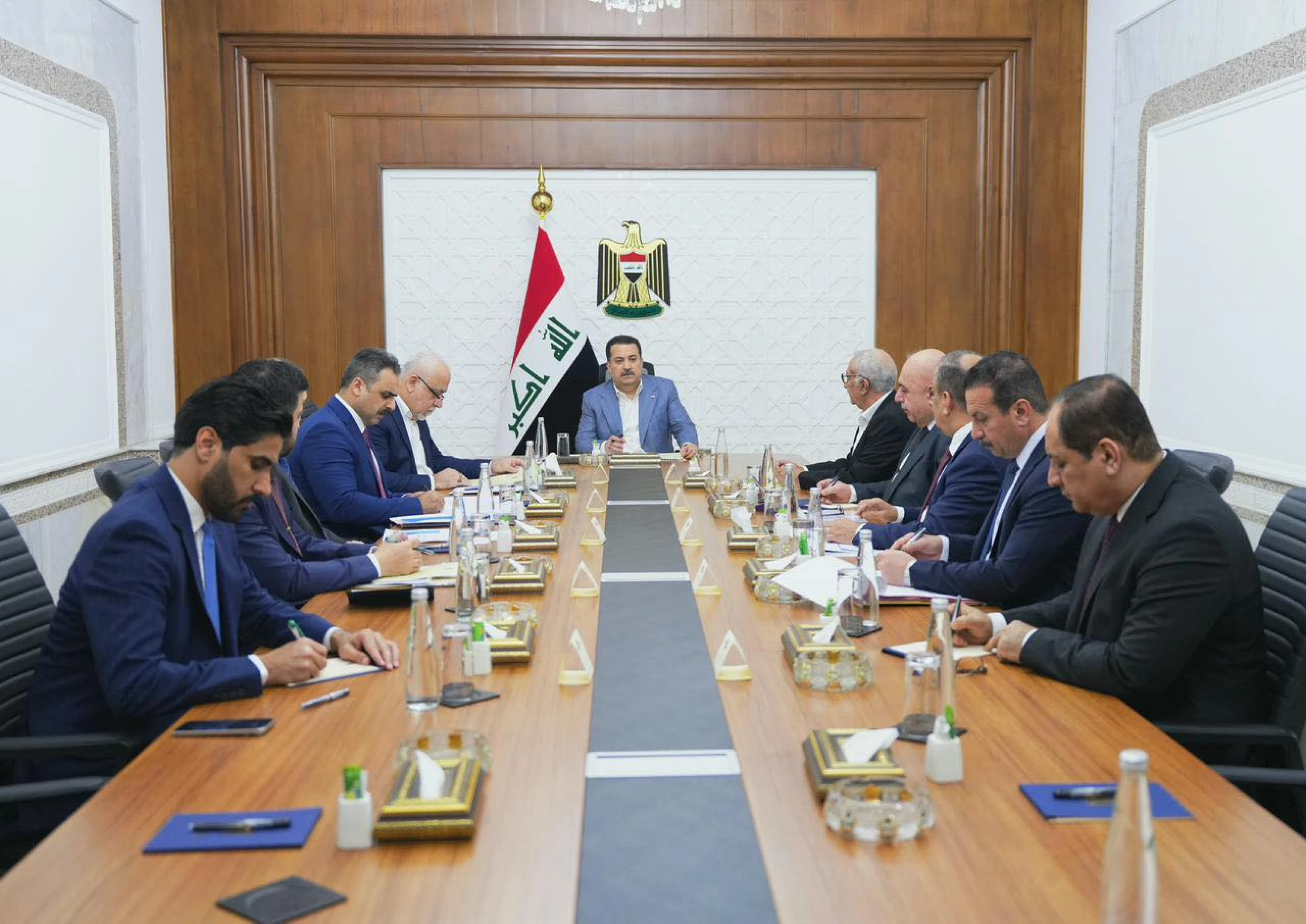
ERBIL, Kurdistan Region of Iraq – Iraqi Prime Minister Mohammed Shia’ al-Sudani on Saturday called for unifying customs procedures at checkpoints between the provinces of federal Iraq and the Kurdistan Region, despite growing criticism of Baghdad’s new customs system.
During a meeting to follow up on the implementation of the customs tariffs and the ASYCUDA system, Sudani “directed support for the procedures of the Border Ports Authority at checkpoints adjacent to the Kurdistan Region of Iraq, with the aim of ensuring the unification of procedures and fees across all border crossings, achieving competitive fairness in the market, strengthening the protection of local products, and ensuring the organized collection of fee differences,” according to a statement from the premier’s office.
Iraq’s General Authority of Customs has announced the application of new customs tariffs of 15 percent on “luxury goods,” starting from January 1, 2026, as it decided to implement the ASYCUDA international customs system across the country.
Last week, scores of Iraqi merchants closed shop and gathered in front of the Iraqi customs authority building to protest the newly-applied tariffs imposed on non-essential items.
“Emphasis was placed on the need to continue efforts to fully implement the decisions, enforce customs tariffs, and apply the ASYCUDA system,” the statement from Sudani’s office added.
In a circular dated February 1 and addressed to Sudani, Iraqi Parliament Speaker Haibat al-Halbousi said the legislature recommends “slowing down” the implementation of the Council of Ministers decree to apply the ASYCUDA system, and to reconsider the imposed tariffs.
In recent years, Baghdad has periodically adjusted customs tariffs as part of broader efforts to boost non-oil revenues, protect domestic industries, and curb reliance on imports.
Traders, however, have repeatedly warned that sudden tariff changes raise costs, disrupt supply chains, and risk driving up consumer prices in an economy still heavily dependent on imports.
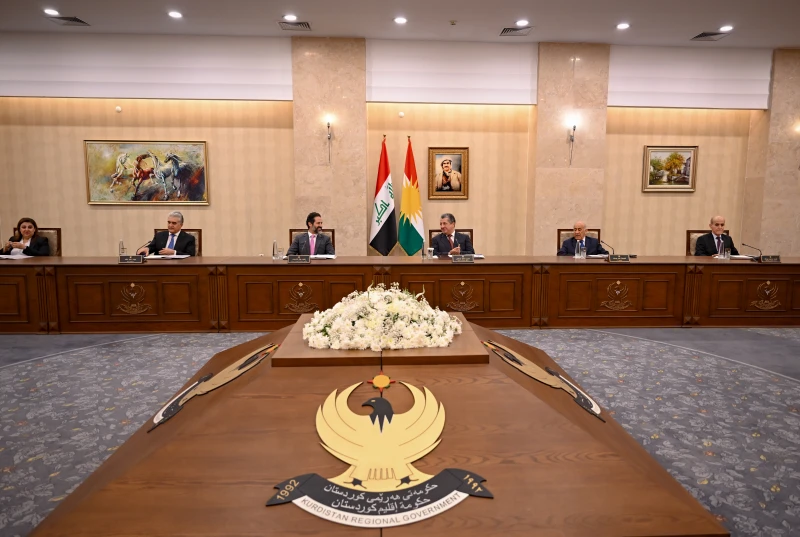
Baghdad is also pressuring Erbil to implement ASYCUDA, but the Kurdistan Regional Government (KRG) has requested that its customs system remain intact, arguing that it is more advanced than ASYCUDA.
The Iraqi government wants to integrate the KRG’s customs to ensure that companies in the Kurdistan Region can operate under the same import and export conditions as those in the rest of Iraq.
 Facebook
 LinkedIn
 Telegram
 X
X