ERBIL, Kurdistan Region of Iraq - Iraq and the UN on Thursday signed a deal to combat organic pollutants and manage chemical pollution that costs the country over $1.4 billion annually, with Iraq consistently being ranked as one of the world's most polluted countries.
The deal between Iraq’s environment ministry and the UN Development Fund is for a project targeting organic pollutants that do not break down and “the lethal environmental legacy of conflict and industrial neglect that currently costs the Iraqi economy an estimated US$1.4 billion annually,” the UNDP said in a statement.
“These toxins migrate through the food chain, causing severe health defects and staggering economic losses. National assessments have identified critical contamination zones, including: aging storage facilities leaking hazardous agricultural chemicals; industrial pollutants embedded in the nation’s power infrastructure; and high-risk zones created by unregulated waste burning and industrial discharge,” it added.
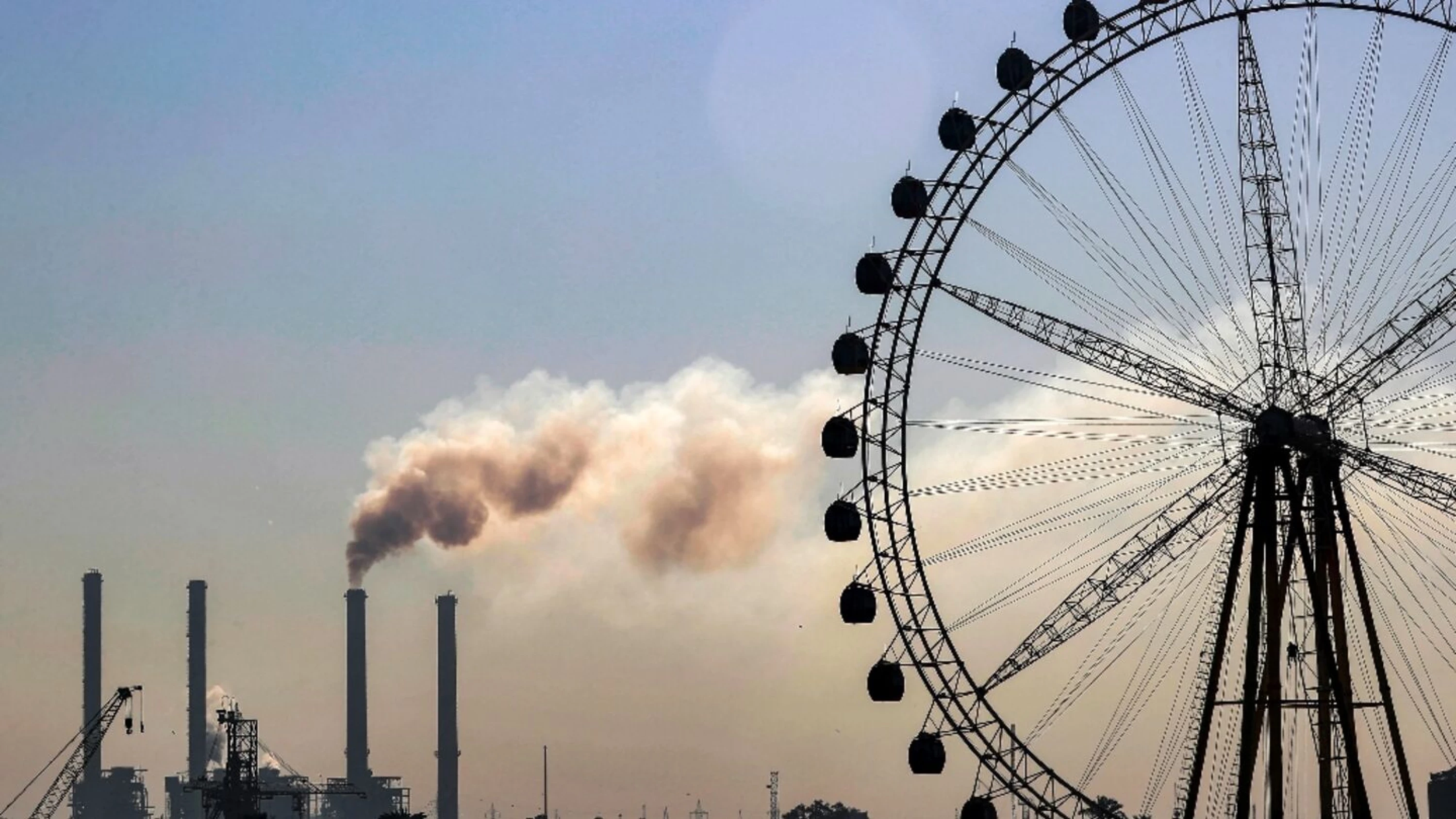
Last year, Baghdad ranked 13th globally among the world’s most polluted cities, according to the Swiss agency IQAir. The Iraqi capital has been experiencing intense pollution, with a lack of environmental control and excessive waste burning exacerbating the effects.
In November, the Iraqi Observatory for Human Rights (IOHR) warned that Iraq is experiencing one of the worst levels of air pollution in the wider region and that it is “breathing danger,” also citing the lack of environmental control, expanding emission sources, and arbitrary burnings as the main causes.
“The environmental crisis disproportionately strikes those least able to defend themselves. The project is specifically designed to reduce toxic exposure for displaced families, women, youth, and rural communities whose livelihoods depend directly on clean land and water,” the statement read.
Iraq is also one of the most vulnerable countries to climate change, facing one of its worst droughts since its establishment. The International Organization for Migration (IOM) reported in 2024 that over 170,000 had been displaced due to climate change.
 Facebook
 LinkedIn
 Telegram
 X
X