ERBIL, Kurdistan Region of Iraq - Geopolitical tensions between the US and Iran are roiling markets following US President Donald Trump’s threats of military intervention, resulting in oil prices spiking to their highest levels since July.
On Thursday, Trump, speaking at the inaugural session of the US-backed Board of Peace, said that "you're gonna be finding out over probably the next ten days" if a nuclear deal with Iran is possible, adding, "We have to make a meaningful deal; otherwise, bad things happen."
"Good talks are being had," Trump asserted, offering the next ten days as a timeframe after which one will know if a deal is achievable. "It's proven to be over the years not easy to make a meaningful deal with Iran. We have to make a meaningful deal; otherwise, bad things happen," he said, as he deployed warships, fighter jets and other military hardware to the region.
The comments sparked fresh geopolitical worries and cut short a fragile market recovery following this month’s AI-driven sell-off, as the warnings follow a second round of Omani-brokered negotiations in Geneva, where Washington is working to block Tehran from developing nuclear weapons — a goal the Iranian government continues to deny pursuing.
Oil and gas climb as the dollar regains ground
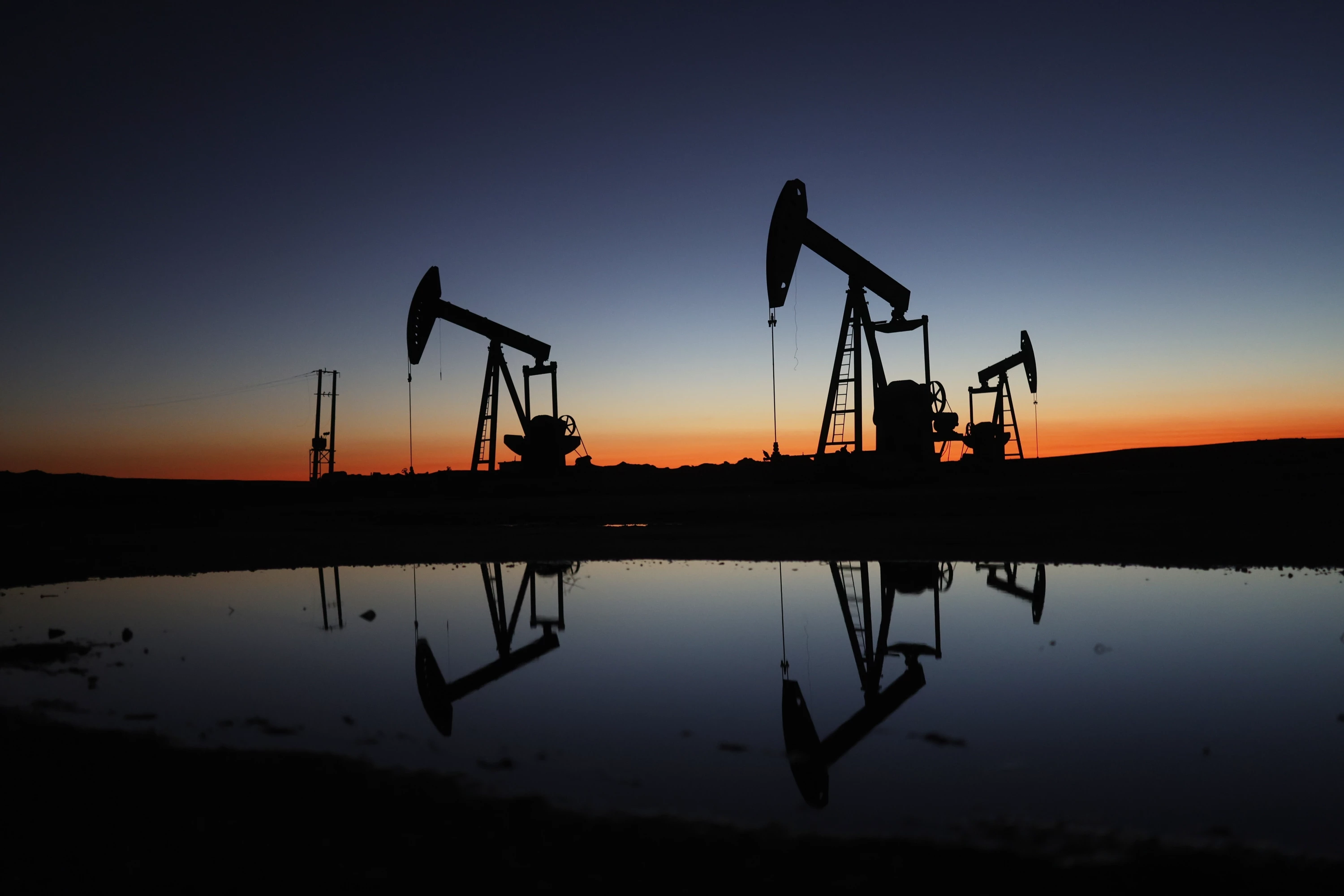
Rising tensions between the US and Iran are driving energy prices higher, with Brent crude trading above $71 (+1.8%) a barrel and WTI topping $66.50 (+2%). Natural gas is also gaining, moving past €33 per megawatt-hour. This jump is sparking fears that if oil prices keep rising, central banks might have to hold off on cutting interest rates this year or make smaller cuts than expected.
The current prices are the highest since July 2025, shortly after the US and Israel launched a bombing campaign in Iran that disrupted an earlier round of nuclear negotiations, with Tehran often citing the so-called 12-Day War as an example of American duplicity and willingness to use force.
Iran has the third-largest proven oil reserves of any country in the world and is a key actor in the strategic Strait of Hormuz, through which much of global oil shipping is conducted.
These concerns are growing even more after the Federal Reserve's latest minutes showed just how cautious officials are about lowering rates and how divided the board remains.
Gold, by contrast, has lost some momentum and slipped back below the $5,000 mark, while the dollar is strengthening on currency markets. The euro has fallen back under $1.18, trading around $1.175.
Investors are now waiting for new US economic data later today to see how the world’s largest economy is actually holding up.
While a string of strong reports lately has made people more optimistic about growth, it has also made them realize that further interest rate cuts might not be coming as soon as they hoped.
Wall Street closes lower, with the Dow down 0.54% and the Nasdaq off 0.31%
On Thursday Wall Street ended the day in the red. The Dow Jones fell 0.54 percent to 49,395.16, while the Nasdaq dropped 0.31 percent to 22,682.73. The S&P 500 also slipped, losing 0.28 percent to finish at 6,861.91.
US stocks slipped as worries over a potential US–Iran conflict and a weak outlook from Walmart, the world’s largest retailer, weighed on sentiment. The pullback comes after a strong session for Wall Street, driven by gains in tech as well as strength in financials and energy.
“A rebound in mega-cap stocks, along with a pause in the recent rotation, wouldn’t be surprising in the coming weeks,” Angelo Kourkafas, senior global investment strategist at Edward Jones, told CNBC.
 Facebook
 LinkedIn
 Telegram
 X
X