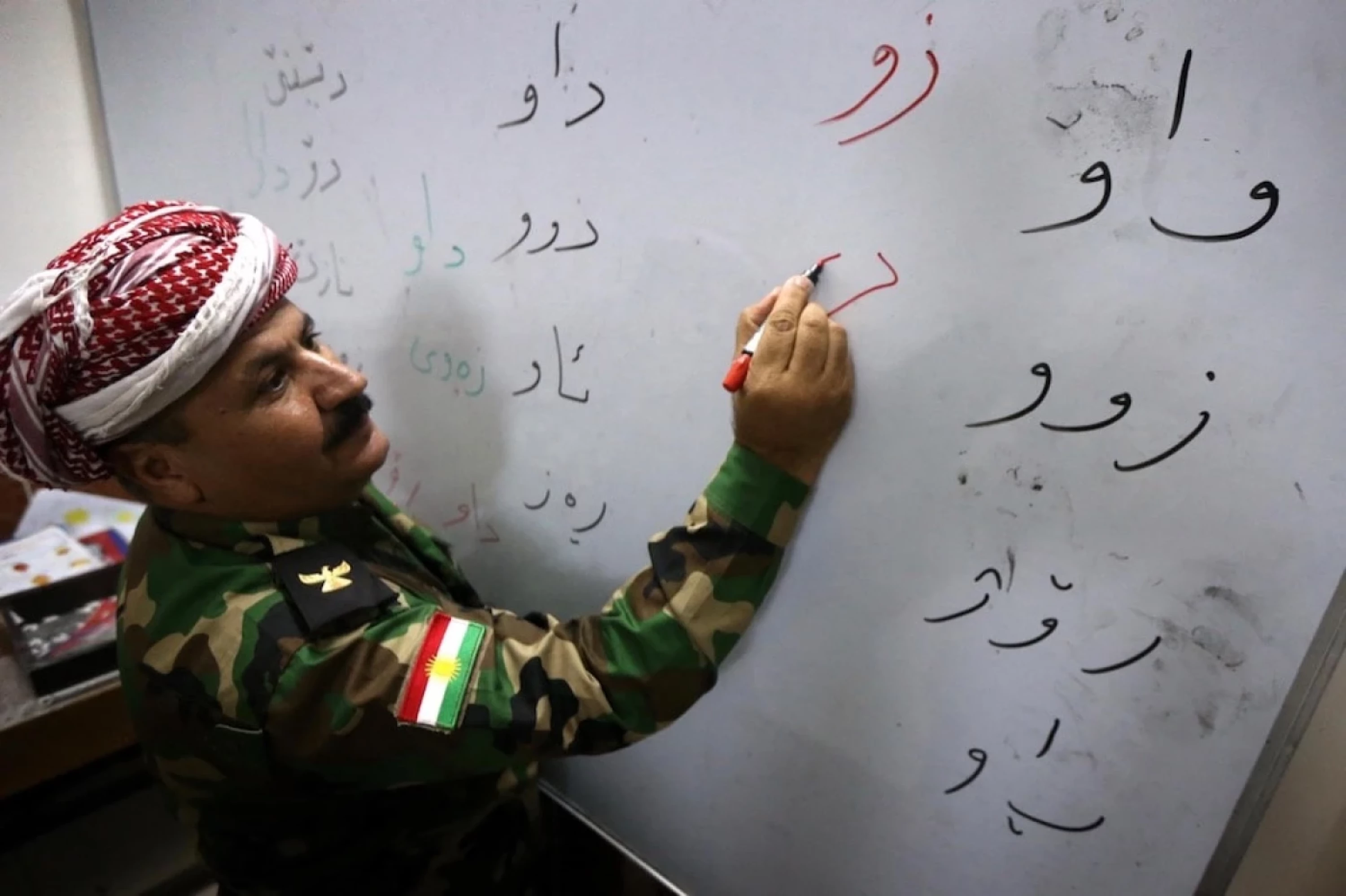
ERBIL, Kurdistan Region of Iraq - Kurdish leaders on Saturday hailed the occasion of World Mother Language Day, reaffirming the government's commitment to protecting the Kurdish language and other native tongues spoken in the Kurdistan Region.
Celebrated annually on February 21, the occasion has been observed across the world since 2000 as part of a UN initiative seeking to protect lingusitic diversity and promote mother tongue education across the globe.
"Today, multilingualism is increasingly understood not only as a social reality but as a fundamental human characteristic and a powerful educational approach," the UN said of the 2026 World Mother Language Day, which has the theme of "Youth voices on multilingual education."
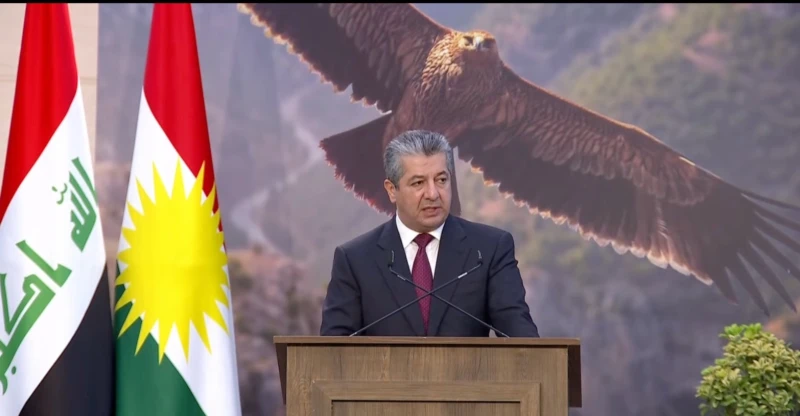
President Masoud Barzani marked the occasion by saying, "Mother tongue is the foundation of origin, identity, awareness, and ethnicity; protecting it is a national duty."
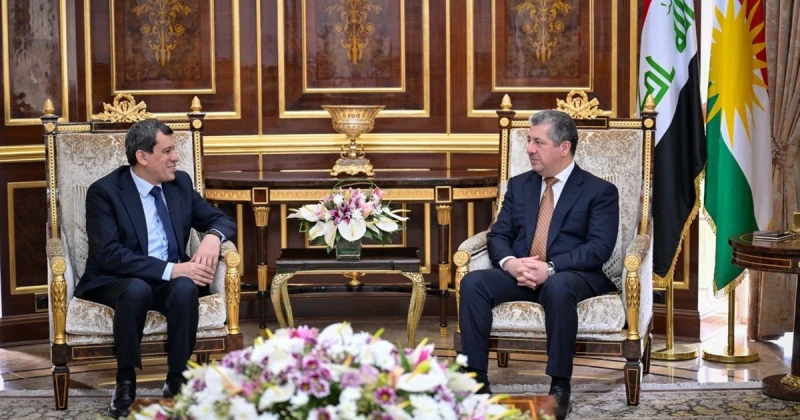
"The Kurdistan Region is rich and a source of pride with its diverse languages and cultures, where all components of Kurdistan freely speak and learn in their mother tongue," Kurdistan Region Prime Minister Masrour Barzani wrote on X. "The Kurdistan Regional Government reaffirms its commitment to valuing the Kurdish language and the languages of all components of the people of Kurdistan."
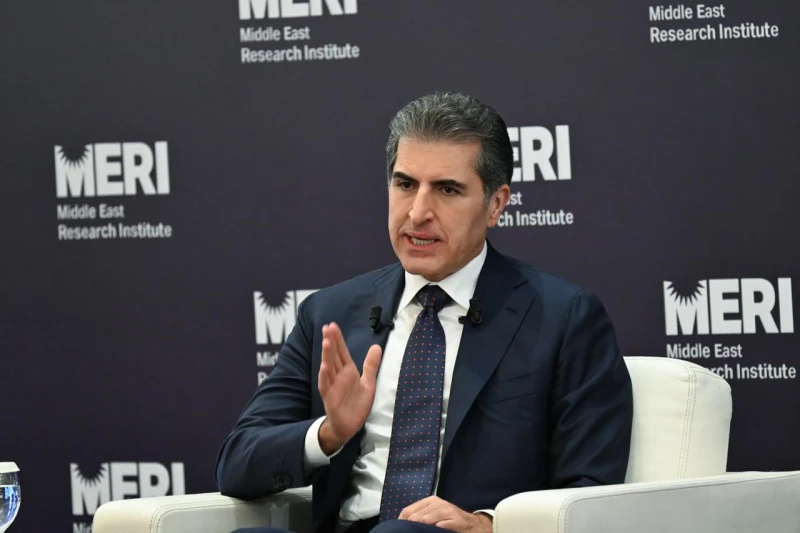
Kurdistan Region President Nechirvan Barzani echoed his sentiment, saying, "We are committed to preserving and promoting the mother tongue for all citizens; from Kurdish to the languages of national components (Turkmen, Syriac, and Armenian)."
"Preserving the mother tongue is preserving the identity and rich history and future of Kurdistan," he added on X.
Article 4 of the 2005 Iraqi constitution defines Kurdish as one of the two official languages of the country alongside Arabic, paving the way for institutionalized Kurdish-medium education in the Region, with the language having long suffered due to chauvanistic polices implemented by the former Ba'athist regime that prioritized Arabic.
"40 percent of learners worldwide still lack access to education in a language they understand best, with indigenous, migrant, and minority youth most affected," the UN statement noted.
The linguistic situation for Kurds spread across different countries varies, with certain portions enjoying stronger support for mother tongue education.
Following recent turmoil between Syrian state forces and the Kurdish-led Rojava (northeast Syria) administration following the former's military offensive against the latter, interim Syrian President Ahmed al-Sharaa issued a decree aimed at providing linguistic and cultural rights for Kurds, designating Kurdish as a national language that can be taught as an "elective" course in Kurdish-populated areas.
Meanwhile, the Kurdish language has long faced severe repression in Turkey, with Turkish officials in the past having banned the use of the language in public, closed Kurdish-medium schools, and Turkified Kurdish surnames.
A Human Rights Watch report from 2024 noted the abundance of "outrageous cases over the past year in which Kurdish language songs, dances, and promotion of cultural and linguistic rights have been interpreted by the police and prosecutors as evidence of links with terrorism."
The Kurdish language has many dialects, most notably Northern Kurdish (Kurmanji), Central Kurdish (Sorani), and Southern Kurdish (Palewani). The exact number of Kurdish speakers around the world remains unknown, but it is estimated to be between 26 to 30 million.
Updated at 13:06 with Masoud Barzani statement
 Facebook
 LinkedIn
 Telegram
 X
X