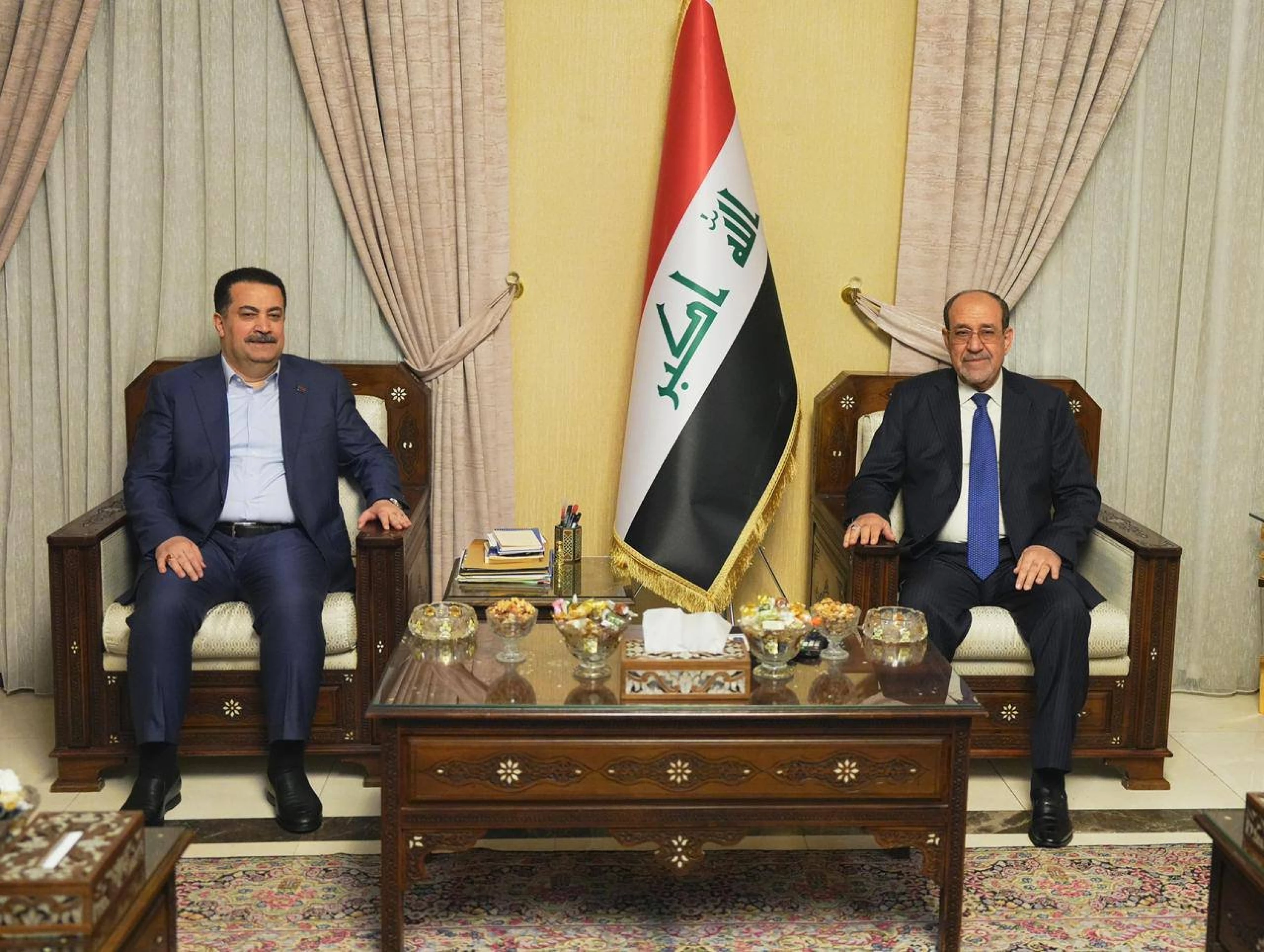
ERBIL, Kurdistan Region of Iraq – Regional and international opposition to Nouri al-Maliki’s premiership bid requires Iraqi forces to “reassess” his nomination, a lawmaker affiliated with incumbent Prime Minister Mohammed Shia’ al-Sudani said Saturday.
After Iraq’s ruling Shiite Coordination Framework nominated Maliki for prime minister in January, US President Donald Trump took to Truth Social to staunchly reject his nomination, saying Washington would “no longer help Iraq” if the State of Law Coalition leader were to be re-elected, criticizing his “insane policies and ideologies.”
Sudani had publicly expressed his desire for a second term before Maliki’s nomination, and Trump’s opposition to the latter may have granted the current premier a lifeline to secure another term.
Bahaa al-Araji, head of the parliamentary bloc of Sudani’s Reconstruction and Development Coalition, stressed late Saturday that Sudani’s support of Maliki’s nomination aimed to end “the political deadlock [in Iraq] and move towards resolving outstanding issues, fulfilling his promise to his constituents.”
“However, this idea now faces rejection from key parties within the Coordination Framework, political forces within the national sphere, and regional and international opposition,” Araji said.
To protect its interests, Iraq must “reassess the tools and mechanisms to achieve the desired goal, free from bias and personal interests,” he stated.
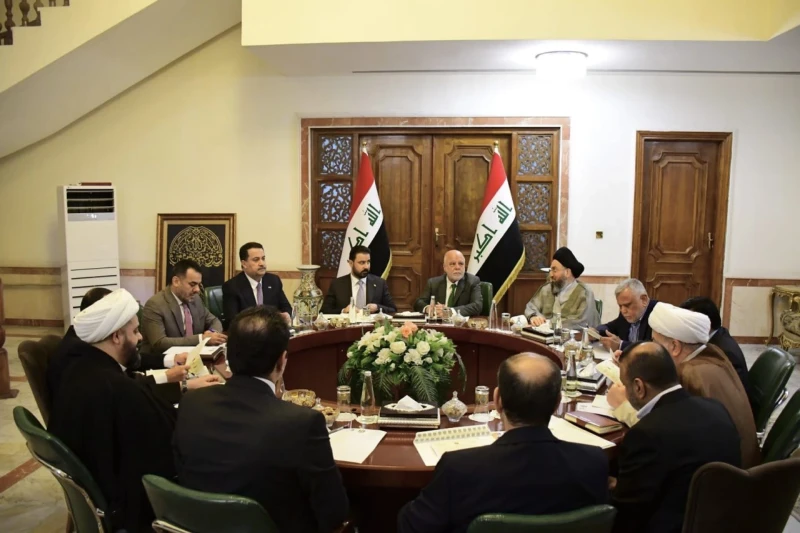
Despite Trump’s threats, the Coordination Framework in late January announced that it would keep Maliki as its nominee for the country’s next prime minister, arguing that the selection of the premier is a “purely Iraqi constitutional matter” and rejecting “external dictates.”
But a senior member of the pro-Iran Sadiqoun bloc told The New Region on Wednesday that half of the Coordination Framework’s leaders have withdrawn their support for Maliki’s premiership, with another leader set to follow suit.
Maliki has reiterated that he will not back down from his nomination despite Trump’s threat unless two-thirds of the Coordination Framework oppose his candidacy.
Maliki previously served two terms as prime minister from 2006 to 2014, stepping down during his second term after major security setbacks linked to the rise of the Islamic State (ISIS), amid long-standing allegations of corruption.
His tenure also saw him draw the ire of Washington over his perceived closeness to Iran and for allowing Tehran to increase its influence in the country.
His State of Law Coalition came in third place in Iraq’s recent parliamentary elections, securing 29 seats out of the 329-seat legislature.
 Facebook
 LinkedIn
 Telegram
 X
X